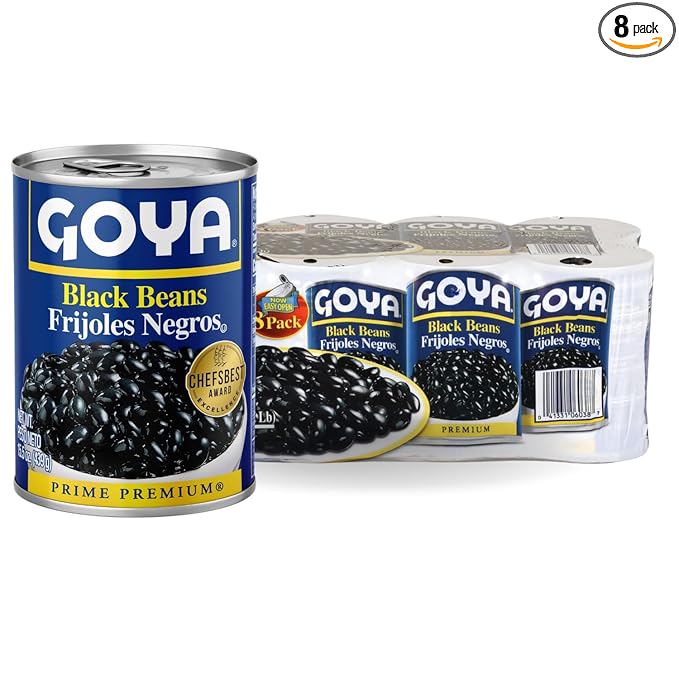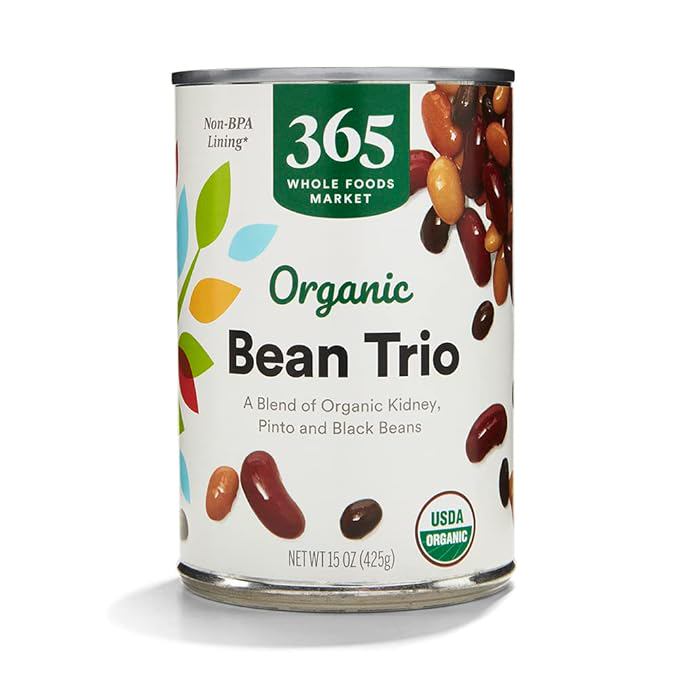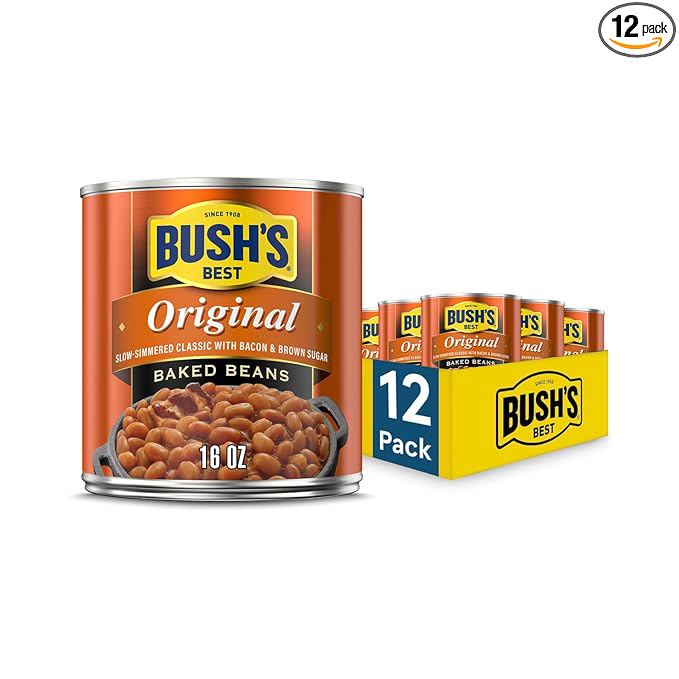
Weeknight dinners can be a challenge. After a long day, the goal is to get something nourishing on the table without spending an hour in the kitchen. One of the simplest ways to boost the nutritional profile of a fast meal is to reach for a can or a bag of beans. They are affordable, shelf-stable, and surprisingly versatile.
Beyond convenience, beans bring a serious health punch to the table. They are packed with plant-based protein, fiber, vitamins, and minerals that support everything from digestion to heart health. If you have been looking for a way to make your quick dinners more satisfying and better for you, beans are the answer.
Why beans deserve a spot in your weeknight rotation
Beans are a cornerstone of many traditional cuisines for good reason. They are inexpensive, widely available, and require minimal prep, especially if you use canned varieties (just rinse them to reduce sodium).
From a health perspective, beans are a nutritional powerhouse. They are one of the few foods that qualify as both a protein and a vegetable. A half-cup serving provides roughly 7–9 grams of protein and 6–8 grams of fiber, which is more than most other plant foods. This combination helps keep you full longer, stabilizes blood sugar, and supports a healthy gut microbiome.
Fiber for digestion and satiety
The soluble fiber in beans, such as that found in black beans and chickpeas, forms a gel-like substance in the digestive tract. This slows down digestion, which helps you feel satisfied after a meal and prevents blood sugar spikes. For anyone trying to manage weight or avoid late-night snacking, this is a real advantage.
Protein without the meat
Beans provide a high-quality plant protein that can easily replace or extend meat in dishes. Swapping half the ground beef in tacos with black beans, or adding chickpeas to a chicken stir-fry, cuts saturated fat while keeping the meal hearty. This is a practical way to reduce red meat intake without feeling deprived.
Quick dinner ideas using beans
One of the best things about beans is how quickly they come together in a meal. Unlike dried grains or some vegetables, canned beans are already cooked. Here are a few ways to use them on busy nights:
- Bean salads: Toss canned chickpeas or kidney beans with chopped cucumber, tomato, red onion, lemon juice, and olive oil for a meal-ready salad in under 10 minutes.
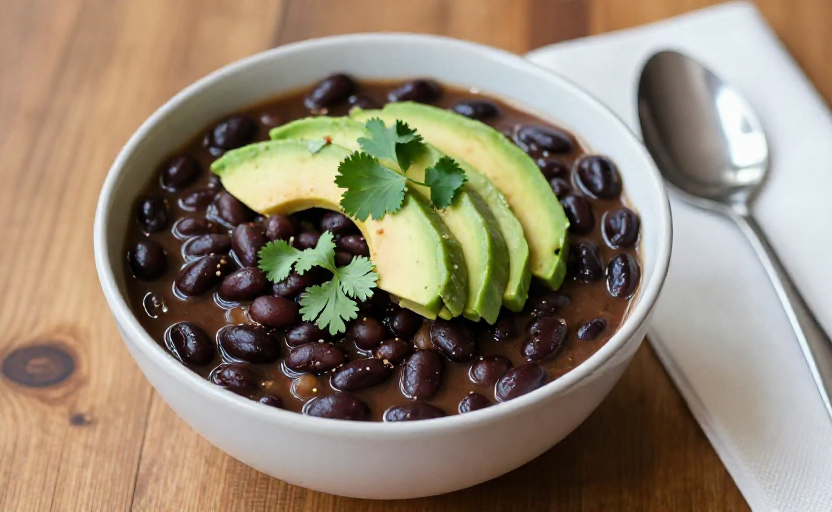
- Quick chili: Simmer canned black beans, pinto beans, canned tomatoes, chili powder, and a little cumin for 15 minutes. Serve with avocado or Greek yogurt.
- Bean tacos or wraps: Mash pinto beans or refried beans, spread onto a tortilla, and top with salsa, shredded lettuce, and cheese. Fold and heat in a skillet for three minutes per side.
- Pasta with beans: Add a can of white beans (cannellini or great northern) to your favorite marinara sauce. Serve over whole-wheat pasta or zucchini noodles.
- Curries and stews: Lentils and chickpeas work well in coconut-milk-based curries that simmer in under 20 minutes. Serve with rice or naan.
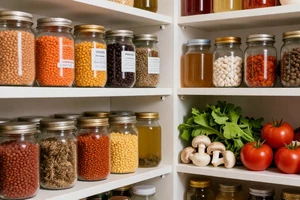
Tip: Keep a variety of canned or dried beans in your pantry—black beans, chickpeas, kidney beans, lentils, and pinto beans. They last for months and can become the base of countless meals.
Key nutrients in beans that support overall health
The health benefits of beans go far beyond protein and fiber. They are rich in several micronutrients that are often lacking in modern diets.
Iron for energy
Beans are a good source of non-heme iron, which is especially important for vegetarians and vegans. Pairing beans with vitamin C (like adding bell peppers or a squeeze of lime) enhances iron absorption. This can help prevent fatigue and maintain healthy red blood cells.
Magnesium and potassium for heart health
Both magnesium and potassium are abundant in beans. These minerals play roles in regulating blood pressure and supporting muscle and nerve function. Regular consumption of legumes has been linked to a lower risk of heart disease in large population studies.
Folate for cell repair
Folate, or vitamin B9, is crucial for DNA synthesis and cell division. Beans are one of the best food sources of folate. Getting enough folate is especially important for women of childbearing age, but it benefits everyone by supporting healthy cell turnover and reducing the risk of certain birth defects.
How to add beans without changing your favorite recipes
You do not need to overhaul your entire cooking style to include more beans. Small swaps and additions work well:
- Add a cup of cooked lentils to ground meat sauces or meatballs.
- Stir chickpeas into curries or stews during the last five minutes of cooking.
- Blend white beans into creamy soups or sauces for added thickness and nutrition.
- Toss black beans into scrambled eggs or breakfast burritos.
- Use mashed beans as a base for veggie burgers or as a spread on sandwiches.
These small changes can significantly increase the fiber and protein content of a meal without altering the flavor profile much.
Practical tips for cooking with beans
If you are using dried beans, plan ahead. They need to be soaked overnight and then simmered for 45 minutes to 2 hours depending on the type. For weeknight meals, stick with canned beans, but look for low-sodium or no-salt-added versions. Rinse them under cold water to remove up to 40% of the sodium.
If you have digestive issues with beans, start with smaller portions and increase gradually. The body adapts over time. Soaking dried beans and discarding the water before cooking also helps reduce the compounds that cause gas.
Bottom line
Adding beans to quick weeknight dinners is one of the easiest dietary changes you can make. They are budget-friendly, versatile, and loaded with nutrients that support long-term health. Whether you mash them into tacos, toss them into salads, or stir them into soups, beans provide lasting energy and satisfaction without requiring extra time or skill. By keeping a few cans in your pantry, you can turn a simple meal into a nutrient-dense one in minutes.