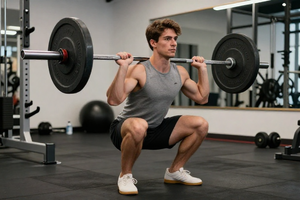

You finished your set, racked the bar, and felt that deep muscle burn that signals a job well done. The next morning, you wake up sore, your legs stiff and your shoulders tight. It is tempting to roll out of bed and head straight for coffee, telling yourself you will grab something later. For beginners especially, the habit of skipping breakfast the morning after lifting can quietly undermine all the hard work you did the night before.
Recovery is not just about rest days and sleep. What you eat in the post-lifting window—particularly the first meal after waking up—directly influences how well your muscles repair, how much strength you gain, and whether you feel ready for your next workout. When you skip that meal, you are missing a key opportunity to support your body’s rebuilding process.
What happens to your muscles when you fast after lifting?
When you lift weights, you create microscopic tears in muscle fibers. Your body repairs these tears using amino acids from protein, and this process is most efficient when you have a steady supply of nutrients. Overnight, you have already been fasting for roughly eight to ten hours. By skipping breakfast the next morning, you extend that fast even longer.
During this extended fasted state, your body continues to break down muscle protein for energy. This is called muscle protein breakdown, and it is the direct opposite of what you want after strength training. Beginners are especially sensitive to this imbalance because their bodies have not yet adapted to efficiently partitioning nutrients toward muscle repair. Without the anabolic signal that food provides, recovery slows, and the next workout feels harder than it should.
Think of breakfast the morning after lifting as the cue that tells your body, “It is time to rebuild, not break down.”
The specific recovery needs of a beginner lifter
If you are new to strength training, your muscles are still learning how to handle load and stress. That is why the soreness, known as delayed onset muscle soreness (DOMS), often feels more intense for novices. Beginners also have a higher rate of muscle protein turnover immediately after training. This means your body is both breaking down and building muscle at an elevated pace. A morning meal helps tip the scale toward building.
Lowered glycogen stores
Lifting depletes the glycogen stored in your muscles. That depletion does not just disappear while you sleep. When you wake up, your liver glycogen is low, and if you skip breakfast, you have minimal stored carbs to fuel movement or support repair. Without replenishing glycogen, your energy levels drop, your mood may dip, and even simple daily activities feel draining.
Hormonal environment
Cortisol, the stress hormone, is naturally higher in the morning. Overnight fasting and heavy training elevate it further. Eating a balanced breakfast—especially one with protein and some carbohydrates—helps lower cortisol and shifts your body into a recovery-oriented, anabolic state. Skipping breakfast keeps cortisol elevated, which encourages muscle breakdown and fat storage, exactly the opposite of what a beginner wants.
What should a beginner eat the morning after lifting?
You do not need a complicated meal plan. Focus on two things: protein and carbohydrates. Protein provides the amino acids needed to repair muscle fibers, while carbs restock glycogen stores and help shuttle those amino acids into muscle tissue.
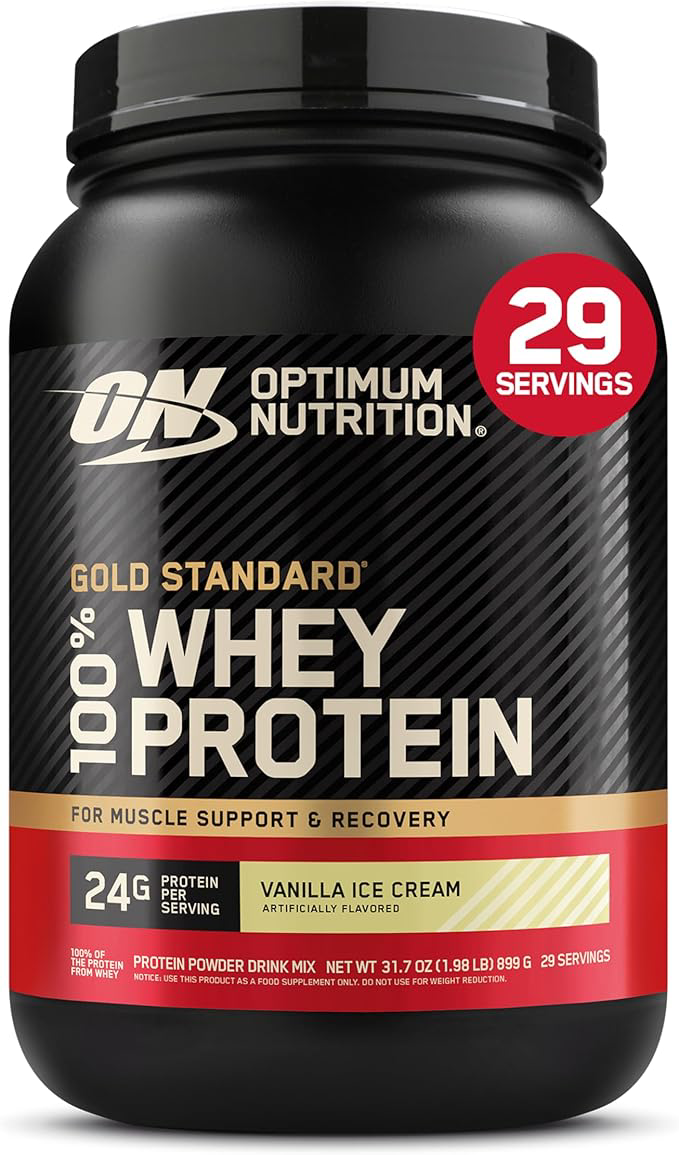
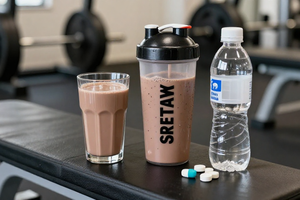
- Protein: Aim for at least 20 to 30 grams of protein. Eggs, Greek yogurt, cottage cheese, a quality protein shake, or even leftover chicken from dinner all work well.
- Carbohydrates: Pair the protein with whole-food carbs. Oatmeal, whole grain toast, fruit, or a small sweet potato are excellent options. Carbs also stimulate insulin release, which helps push amino acids into muscles.
- Hydration: Drink water as soon as you wake up. Overnight dehydration makes muscle stiffness worse and can impair recovery.
Timing is flexible but practical. Eating within one to two hours of waking gives your body that early anabolic signal. If you cannot stomach a full meal that early, a smoothie or a banana with peanut butter is far better than nothing at all.
Does intermittent fasting work for strength training beginners?
Intermittent fasting has gained popularity for weight management and metabolic health. However, for a beginner whose primary goal is building strength and adapting to lifting, extending the overnight fast until lunchtime is not ideal. You are asking your body to adapt to a new, stressful stimulus while simultaneously withholding the nutrients it needs to respond positively. Can you build muscle with intermittent fasting? Some people do, but it requires careful meal timing and total daily protein intake that many beginners find challenging to hit in a compressed eating window.
If you are committed to a fasting schedule, at least shift your eating window to include a post-workout meal that falls the morning after your session. But for most beginners working on consistency and form, a regular breakfast routine delivers better recovery results with less guesswork.
Common excuses and why they fall short
“I don't have time.” A hard-boiled egg and an apple take two minutes to eat. A pre-made smoothie pouch takes thirty seconds to blend. The time investment is minimal compared to the benefit you get.
“I am not hungry in the morning.” Many beginners report suppressed appetite early in the day, especially if they trained late the night before. Start small. A single piece of toast with almond butter or a glass of milk is enough to break the fast and signal your body to shift toward recovery mode. You do not need a full plate.
“I want to lose fat faster.” There is a persistent belief that skipping breakfast helps with weight loss. But the metabolic advantage is negligible, and losing muscle mass makes long-term fat loss harder because muscle burns more calories at rest. Protect your new muscle. Eat breakfast.
Building the habit for long-term progress
Making breakfast a non-negotiable part of your lifting routine is a small behavior that pays compounding dividends. It reduces soreness, improves your readiness for the next workout, and teaches your body that it can trust you to provide fuel when it needs it most. As a beginner, you have the rare advantage of enormous potential for progress. Do not let a missed meal slow that momentum.
Set a simple goal: for the next two weeks, eat something with protein and carbs within two hours of waking on the mornings after you lift. Notice how you feel during your next session. Notice whether your legs feel less heavy, and whether your energy holds up longer. That awareness will reinforce the habit far better than any lecture.