
You've just finished a solid bodyweight strength session—push-ups, squats, lunges, maybe some planks. Your muscles feel worked, maybe a little shaky. That's the good kind of tired. Now comes the part that actually builds the strength you're after: recovery. What you eat in the hours after exercise plays a direct role in how well your muscles repair, rebuild, and come back stronger.
Protein often gets the spotlight, and for good reason. But muscle recovery isn't a one-nutrient show. It takes a mix of complete proteins, anti-inflammatory compounds, carbohydrates to replenish glycogen, and electrolytes to restore balance. Here are four foods that deliver exactly what your body needs after a bodyweight strength training session.
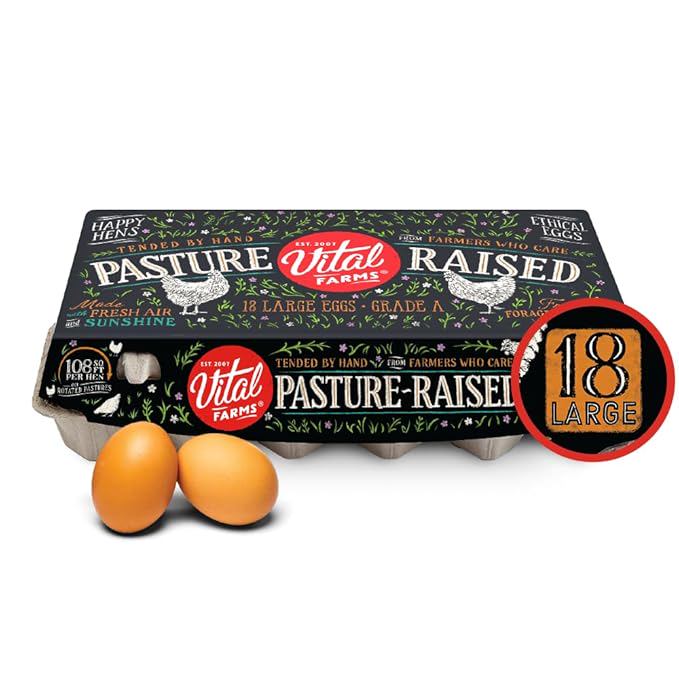
1. Eggs: The Gold Standard for Post-Workout Protein
Eggs are a complete protein source, meaning they contain all nine essential amino acids your body cannot make on its own. After a bodyweight workout—especially one that emphasizes exercises like push-ups, pull-ups, or pistol squats—your muscle fibers have micro-tears that need repairing. The leucine in eggs is particularly important here. This specific amino acid acts as a trigger for muscle protein synthesis, the process that repairs and builds muscle tissue.
Two large eggs provide about 12 grams of protein, which is a solid start for post-workout recovery. Pair them with a slice of whole-grain toast for carbohydrates to restore energy.
Eggs are versatile, too. A quick scramble, hard-boiled for grab-and-go convenience, or even a veggie-packed frittata works. If you're watching saturated fat, note that most of the fat is in the yolk, but the yolk also contains vitamin D, B12, and choline—nutrients that support energy metabolism and nerve function. For most people, whole eggs are the better choice.
2. Tart Cherry Juice: Natural Anti-Inflammatory Support
Tart cherry juice isn't just a trendy recovery drink—it has solid research behind it. The deep red pigment comes from anthocyanins, compounds with potent antioxidant and anti-inflammatory effects. After a bodyweight session, especially one with lots of eccentric moves like controlled lowering in push-ups or squats, inflammation and delayed-onset muscle soreness (DOMS) are common. Some small studies suggest tart cherry juice can reduce markers of muscle damage and speed up strength recovery.
Aim for about 8 to 10 ounces of pure, unsweetened tart cherry juice within an hour or two after exercise. It's tart—hence the name—so you can dilute it with sparkling water if the flavor is too strong. Just watch the sugar content on labels; many commercial blends add sweeteners that dilute the benefits.
If you can't find tart cherry juice, whole cherries are a decent substitute, but the juice concentrates the beneficial compounds more efficiently for recovery purposes.
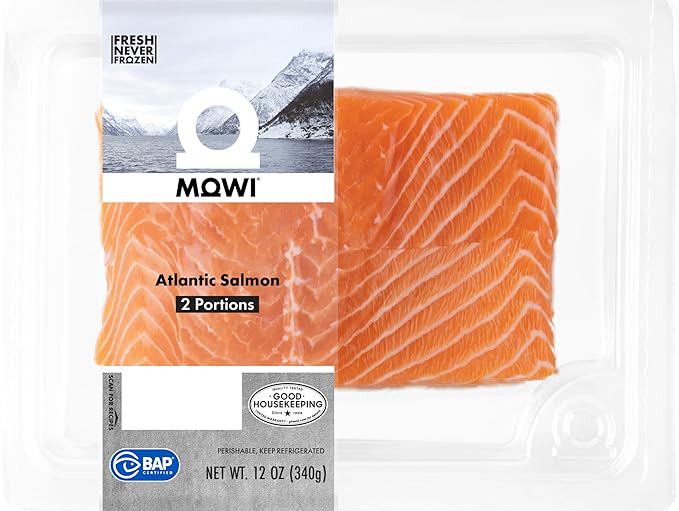
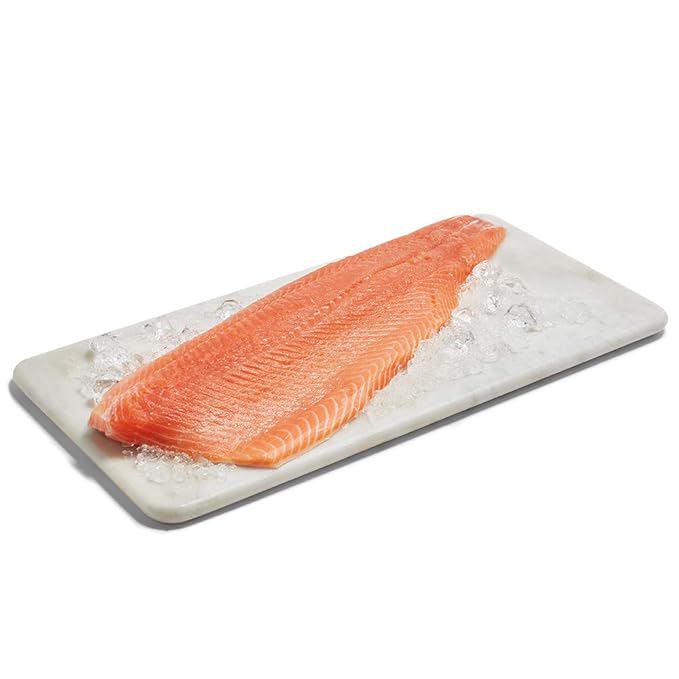
3. Salmon: Protein Plus Omega-3s for Reduced Soreness
Salmon brings two major recovery assets to the table: high-quality protein and omega-3 fatty acids. A 3-ounce serving of cooked salmon gives you about 22 grams of protein, plus EPA and DHA, the long-chain omega-3s known for their anti-inflammatory properties. This matters for bodyweight strength work because inflammation is part of the repair process—but chronic or excessive inflammation can slow recovery and make you feel stiff longer.
Omega-3s may also help reduce muscle soreness after strength training, according to some research, which means you're more likely to stick with your routine when you're not dreading the next day's stair climb. Salmon is also rich in B vitamins, which help convert the food you eat into usable energy for muscle repair.
If fresh salmon isn't available or affordable, canned wild salmon is a perfectly good option. Just check the label for added salt, and look for options packed in water rather than oil if you're watching calories.
4. Sweet Potatoes: Glycogen Replenishment and Electrolytes
Bodyweight strength training depletes glycogen stores in your muscles, especially if your session runs 45 minutes or longer. Sweet potatoes are an excellent source of complex carbohydrates that help restore that glycogen efficiently. Unlike simple sugars, sweet potatoes provide a steady release of glucose, which supports sustained energy levels during the recovery window.
They also bring a surprising electrolyte benefit. Sweet potatoes are rich in potassium, a mineral lost through sweat that you need for proper muscle contraction and to prevent cramping. A medium sweet potato has around 540 milligrams of potassium, plus magnesium for muscle relaxation and vitamin B6 for protein metabolism.
Roast a few sweet potatoes at the start of the week and keep them in the fridge. You can eat them warm with a pinch of salt, mash them into a quick bowl, or toss cubes into a salad with salmon for a full recovery plate.
Putting these foods together doesn't have to be complicated. A post-workout meal could be scrambled eggs with roasted sweet potatoes and a glass of tart cherry juice. Or a salmon bowl with quinoa (another great carb source) and steamed vegetables. The most important thing is consistency—your muscles recover after every session, not just the ones where you ate perfectly. But giving them the right building blocks makes a real difference in how you feel tomorrow, and how strong you'll be next time.