If you’re dealing with the aftermath of cystic acne, you know the marks it leaves behind aren’t just skin-deep. The frustration can feel endless, especially when you’re doing everything you think is right for your skin. But sometimes, the very habit you believe is helping—or one you barely notice—is quietly undermining your progress, making those stubborn scars more pronounced and longer-lasting.
This isn’t about blaming yourself. It’s about understanding a common, often overlooked trigger that interferes with your skin’s delicate healing process. By identifying and adjusting this single habit, you can create an environment where your skin is finally able to repair itself more effectively.
What’s the habit that worsens cystic acne scars?
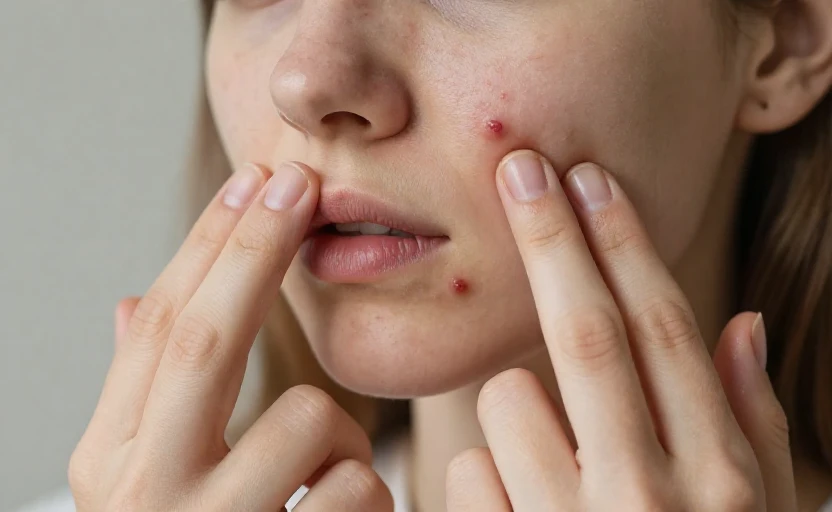
The most common culprit is picking, squeezing, or applying aggressive physical pressure to active cystic acne or the newly formed scars. It’s an almost reflexive response to a painful, prominent blemish—the urge to ‘get it out.’ However, cystic acne forms deep within the skin, far below the surface you can reach. Attempting to extract it doesn’t work; instead, it creates a more severe inflammatory injury.
Every time you pick, you’re essentially re-injuring the site, telling your skin to restart an inflammatory healing process it was already struggling to complete.
This repeated trauma signals your body to send more inflammatory cells to the area. For scarring, inflammation is the enemy. It disrupts the organized production of collagen and elastin needed for smooth repair, often leading to either too much collagen (creating raised, hypertrophic scars) or too little (creating pitted or atrophic scars). The habit essentially takes a deep, inflamed cyst and turns it into a deeper, more complex wound.
Why is this so damaging for cystic acne specifically?
Cystic acne is in a league of its own. Unlike surface-level blackheads or pustules, these lesions are large, painful, and rooted in the deepest layers of the dermis. The infection and inflammation occur around the hair follicle and oil gland, causing significant tissue damage from the inside out.
When you pick at a cystic pimple, you’re not releasing a simple plug. You’re driving bacteria deeper, rupturing the follicle wall entirely, and spreading the inflammatory contents into the surrounding dermis. This dramatically increases the scale of the damage your skin must repair. The body’s attempt to heal this larger wound is more likely to result in a permanent, textured scar because the structural framework of the skin has been compromised.
The difference between post-inflammatory hyperpigmentation and true scarring
It’s crucial to distinguish between a temporary mark and a permanent texture change. Post-inflammatory hyperpigmentation (PIH) are flat, dark spots left after acne heals. They are a disruption in pigment, not structure, and often fade with time and proper care.
True acne scars involve a change in the skin’s texture—indentations (icepick, rolling, or boxcar scars) or raised bumps (keloid or hypertrophic scars). Picking at cystic acne massively increases the risk of progressing from temporary PIH to a permanent textural scar.
Breaking the cycle: How to stop the picking habit
Awareness is the first and most powerful step. Notice when and why you touch your face. Is it when you’re stressed, bored, or scrutinizing your skin in the mirror? Once you recognize the triggers, you can implement gentle strategies to break the cycle.
- Keep nails short and clean. This minimizes trauma if touching does occur.
- Use hydrocolloid patches. Apply them on active cysts or early scars. They create a protective barrier, absorb fluid, and reduce the tactile temptation. Out of sight, out of mind.
- Fidget tools. Keep a stress ball, spinner ring, or putty nearby to keep your hands occupied.
- Be mindful of mirror time. Avoid leaning in for close inspections. Use softer lighting in your bathroom.
Remember, healing is not linear. If you slip up, treat the area with extra care—gentle cleansing, a healing ointment, and patience—rather than criticism.
Supporting your skin’s natural healing process
Once you’ve addressed the habit of picking, you can focus on supporting your skin’s biology. The goal is to reduce inflammation and promote balanced collagen remodeling.
Key ingredients to look for in your skincare routine include:
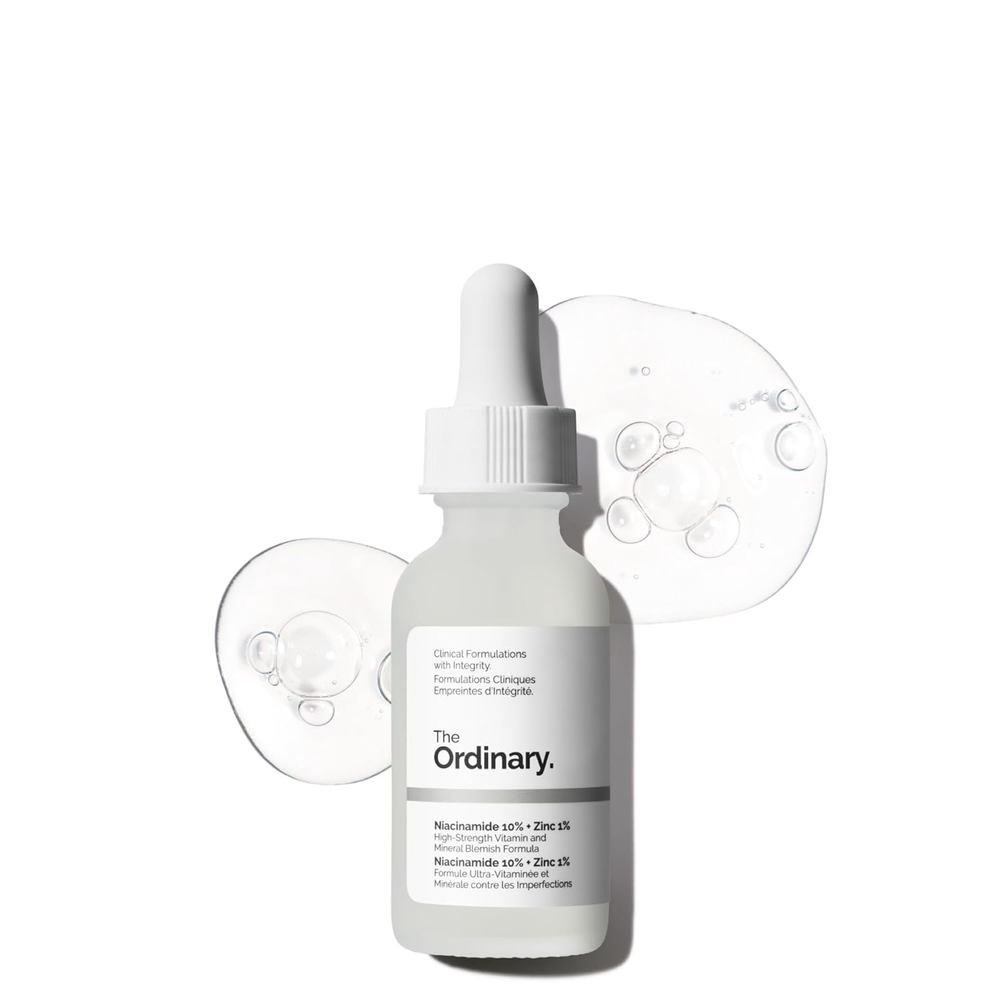
- Niacinamide: A versatile antioxidant that helps calm inflammation and may improve the appearance of skin texture and tone.
- Vitamin C (L-ascorbic acid): A potent antioxidant that can help brighten post-inflammatory marks and support collagen synthesis.
- Retinoids (like retinol): They accelerate cell turnover and can help remodel scar tissue over time by encouraging new, healthy collagen formation. Introduce them slowly.
- Centella Asiatica (Cica): Known for its remarkable soothing and wound-healing properties, it’s excellent for calming inflamed, vulnerable skin.
Above all, consistency with a simple, gentle routine beats aggressive, frequent product switching. Harsh scrubs, high-frequency cleansing devices, or multiple strong actives used together can mimic the micro-trauma of picking, keeping inflammation high.
When to seek professional guidance
While changing habits and a supportive skincare routine form the essential foundation, some scarring may benefit from professional treatments. A dermatologist can assess your specific scars and recommend options such as microneedling, laser resurfacing, or chemical peels. These procedures work by creating controlled, minor injuries to stimulate the skin’s own healing response in a directed way, helping to smooth texture and improve tone.
Think of it this way: by stopping the damaging habit of picking, you’re not just preventing new scars. You’re also preparing your skin to be more receptive and heal better from any future professional treatments you might choose. You’re giving your skin the calm, stable environment it has been needing all along.