
You wash your face, you choose your products carefully, and yet, there it is—another breakout along your jawline or across your forehead. If you’re past your teenage years and still battling persistent acne, it’s frustrating to feel like you’ve tried everything. Often, the culprit isn’t a single product you’re using, but a deeply ingrained daily habit, one so routine you’ve stopped noticing it.
Adult acne is incredibly common, driven by factors like hormones, stress, and lifestyle. While we often scrutinize our skincare, we can overlook the subtle, repetitive actions that transfer bacteria, oil, and irritants to our skin throughout the day. Identifying and adjusting these habits can be the missing piece in finding clearer skin.
Is your phone causing cheek and jawline acne?
Think about how many times a day you hold your phone to your ear or rest it against your cheek. Our devices are hotspots for bacteria, collecting makeup, oils, and environmental grime from every surface they touch. This constant contact creates a perfect storm: pressure, heat, and bacteria are pressed against your skin, potentially clogging pores along your cheek and jawline.
Make it a habit to wipe your screen daily with a disinfectant cloth, and try using headphones or speakerphone for longer calls.
The pillowcase factor
You spend roughly a third of your life with your face pressed against your pillowcase. Over a week, it accumulates hair products, skin oils, saliva, and dead skin cells. This buildup can then be transferred back onto your skin night after night, potentially leading to clogged pores and inflammation, especially if you’re prone to breakouts on one side of your face.
Switching to a clean pillowcase every two to three nights is a simple but powerful change. For an extra benefit, consider materials like silk or satin, which create less friction against the skin than cotton, potentially reducing irritation.
Unseen triggers in your haircare routine
Hair products—conditioners, styling creams, oils, and sprays—are formulated for your scalp and hair, not your face. When you shower, these products rinse down over your forehead, back, and shoulders. Throughout the day, your hair brushes against your skin, transferring residues.
These ingredients, like heavy silicones or certain oils, can be comedogenic, meaning they can clog pores. If you notice breakouts along your hairline, temples, or back, your haircare regimen might be the source.
- Apply conditioner and treatments mid-length to ends, avoiding the roots near your scalp.
- Wash your face and body after you’ve thoroughly rinsed out your hair.
- Consider pulling your hair back while you sleep if you use overnight treatments.
The stress-skin connection
Calling stress a “habit” might feel odd, but for many, a state of constant, low-grade stress has become a daily reality. This has a direct, physiological impact on your skin. When stressed, your body produces more cortisol, a hormone that can stimulate oil glands to produce more sebum. This excess oil can mix with dead skin cells and clog pores.
Furthermore, stress can impair the skin’s barrier function, making it more vulnerable to irritation and inflammation, and can slow the healing of existing blemishes. It’s a cycle: breakouts cause stress, which in turn can cause more breakouts.
Are your skincare habits too aggressive?
In an effort to combat oil and breakouts, it’s easy to overdo it. Scrubbing your skin harshly, using astringent toners with high alcohol content, or applying multiple potent acne treatments at once can strip the skin’s natural barrier. This doesn’t solve acne; it can make it worse by causing dryness, redness, and irritation, which then triggers the skin to produce more oil to compensate.
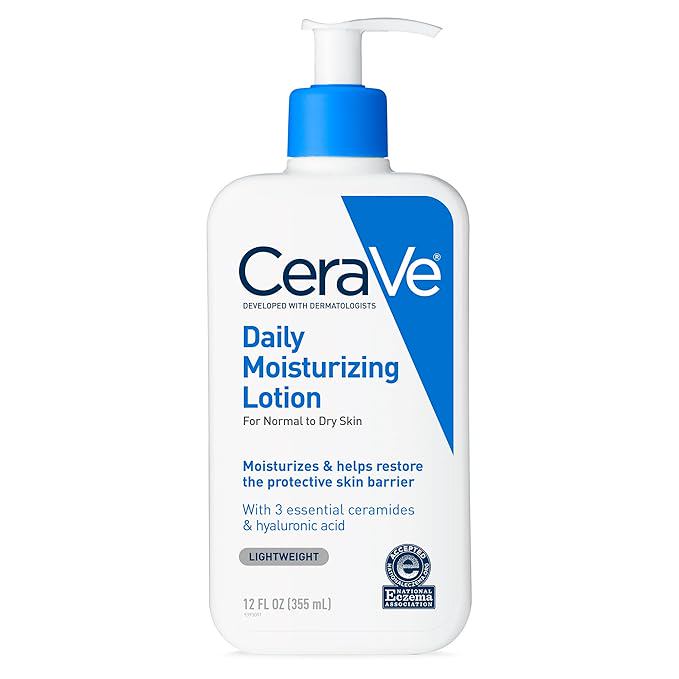
A gentle, consistent routine is almost always more effective than an aggressive one. Look for non-comedogenic, fragrance-free cleansers and moisturizers. Your skin needs hydration to stay balanced, even when it’s acne-prone.
Hands off
This might be the most challenging habit to break. Touching, picking, or resting your chin in your hands throughout the day transfers bacteria from your hands to your face and introduces physical trauma to the skin. Picking at a blemish dramatically increases inflammation, delays healing, and raises the risk of scarring and post-inflammatory hyperpigmentation.
Diet and hydration: subtle daily influences
While no single food causes acne in everyone, dietary patterns can influence inflammation and oil production for some individuals. Diets high in refined sugars and dairy have been linked to increased breakouts in some studies, likely due to their effects on insulin and hormone levels.
More consistently, however, is the role of simple hydration. Not drinking enough water can leave your skin dehydrated. In response, your skin may overproduce oil to compensate, potentially leading to clogged pores. Carrying a water bottle and sipping throughout the day is a foundational habit for overall skin health.
Observing your skin’s response to your diet is personal. If you suspect a link, try keeping a brief food and skin journal for a few weeks to identify potential patterns before making significant changes.
Finding the source of adult acne often requires playing detective in your own life. By paying close attention to these daily, automatic behaviors—what touches your skin, how you care for it, and how you manage stress—you can identify your personal triggers. Change one habit at a time and give it a few weeks; clarity often comes from consistency, not complexity.