
You’ve cleared the breakout, but the marks remain—lingering shadows on your skin’s canvas. It’s a frustrating final chapter in the acne story, and the journey to clear skin can feel stalled. While you might be diligently applying targeted treatments, there’s a chance a single, ingrained daily habit is quietly working against your skin’s natural healing process, stretching out your recovery timeline without you even realizing it.
This habit isn’t about what you apply, but what you don’t. It’s the cornerstone of skin health that gets mentioned so often it can become background noise, yet its absence is one of the most common, and most correctable, slowdowns for fading post-inflammatory hyperpigmentation (PIH)—those flat, discolored marks left behind after a pimple heals.
What’s Actually Happening When an Acne Mark Fades?
To understand the slowdown, we need to look at what’s happening beneath the surface. A post-acne mark is not a scar in the traditional sense of textured, pitted skin. It’s a concentration of pigment. When a pimple causes inflammation, it can trigger melanocytes—the skin’s pigment-producing cells—to go into overdrive, depositing excess melanin in the area as it heals.
Your skin wants to clear this excess pigment. It does this through a natural, ongoing process called cell turnover. Fresh, new skin cells are born in the deeper layers and gradually rise to the surface, carrying the pigmented cells away with them, where they eventually shed. The speed and efficiency of this cellular renewal cycle is everything when it comes to fading marks.
The single most common habit that slows this process is inconsistent, inadequate sun protection.
Why Sun Exposure Is the Ultimate Recovery Saboteur
Think of UV rays as a signal flare to your pigment cells. When ultraviolet radiation hits your skin, it’s perceived as an attack. Your skin’s defense mechanism? Produce more melanin to act as a natural shield. This is the process of tanning.
Now, apply that to an area already packed with excess pigment from a healed pimple. UV exposure doesn’t just risk darkening the mark further; it actively instructs your melanocytes in that specific spot to keep producing pigment, essentially fighting against any fading treatment you’re using. It locks the discoloration in place, making your skin’s natural renewal process far less effective.
And this isn’t just about a day at the beach. It’s the cumulative exposure: the 15-minute walk to the coffee shop, sitting by a sunny window, driving in the car. This daily, low-grade exposure is often the hidden culprit.
Beyond Sunscreen: Other Daily Habits That Can Interfere
While sun protection is paramount, other common routines can also subtly impede progress by causing irritation or damaging the skin barrier.
Over-Cleansing or Using Harsh Scrubs
Aggressive physical exfoliation or stripping cleansers can compromise your skin’s moisture barrier. A damaged barrier is inflamed skin, and as we know, inflammation can stimulate more pigment production. It also leaves skin vulnerable to environmental stressors, slowing overall healing.
Constantly Touching or Picking at the Area
The temptation to touch fading marks is real, but even gentle pressure can cause low-level inflammation. Picking or scratching, of course, re-injures the site, potentially restarting the entire pigmentation process from square one.
Switching Products Too Frequently
In the quest for faster results, cycling through new serums or treatments every few weeks doesn’t give your skin the consistent signal it needs to adjust and respond. Most pigment-fading ingredients, like vitamin C, niacinamide, azelaic acid, or retinoids, require weeks of consistent use to show their full effect.
Consistency is more valuable than intensity when nurturing skin back to clarity.
Building a Daily Routine That Supports Fading
The good news is that correcting the slowdown is straightforward. It’s about protection and patience, not a complex new regimen.
- Make Sunscreen Non-Negotiable: Apply a broad-spectrum sunscreen of at least SPF 30 every single morning, regardless of the weather or your plans. Reapplication every two hours with direct sun exposure is key. This is the most impactful step you can take.
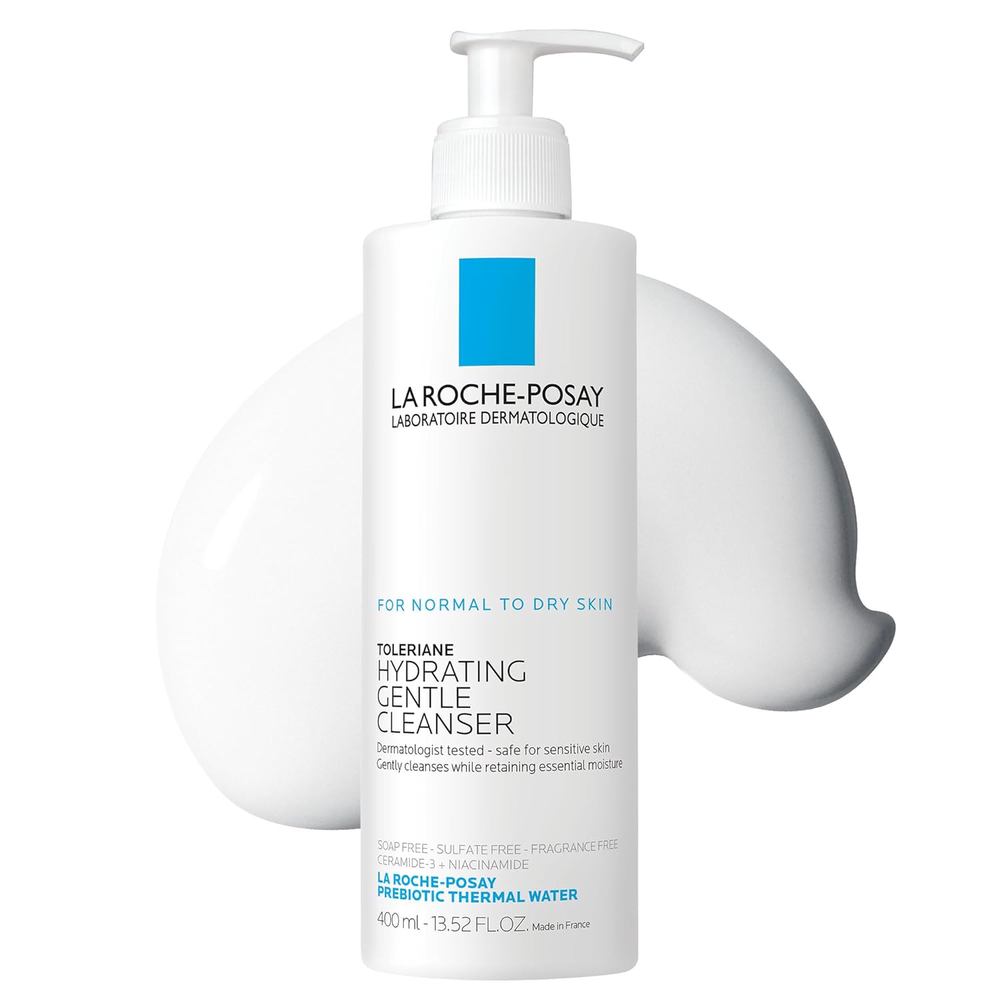
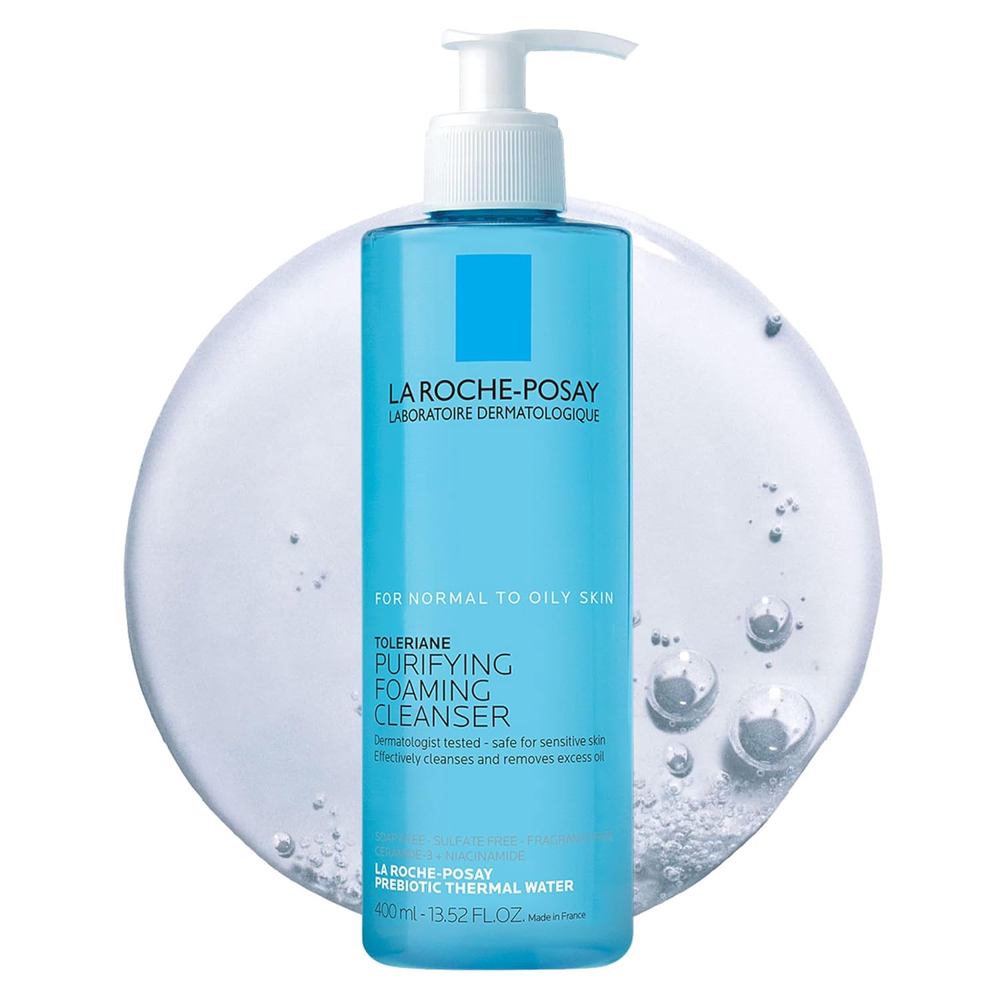
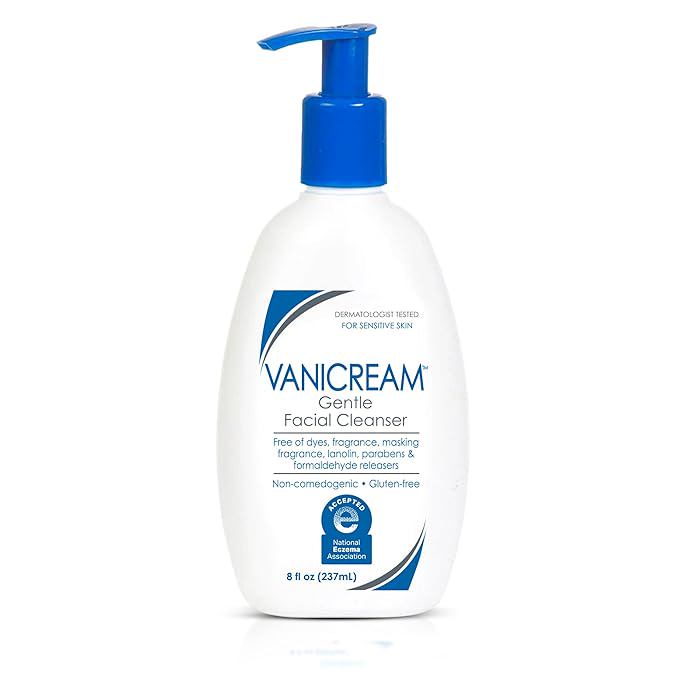
- Choose a Gentle Cleanser: Use a non-abrasive, hydrating cleanser that maintains your skin’s natural balance.
- Incorporate a Targeted Treatment: Pick one well-formulated product with a proven pigment-fading ingredient and use it consistently, usually in the evening. Allow it 6-8 weeks before assessing results.
- Prioritize Barrier Support: Use a simple, hydrating moisturizer to keep your skin resilient and calm. A happy skin barrier heals more efficiently.
What to Realistically Expect
Post-acne marks fade on a timeline measured in months, not days. With consistent sun protection and a supportive routine, you might see noticeable lightening in 4-8 weeks, but it can take 3-6 months or longer for marks to resolve fully, depending on their depth and your skin’s natural tone. The goal is steady progress, not overnight disappearance.
If you protect your skin diligently and still see no improvement after several months, consulting a dermatologist can provide access to professional-grade treatments and ensure there isn’t another factor at play. Remember, your skin is healing itself. Your daily habits are simply there to create the most peaceful, protected environment for that healing to unfold at its natural pace.