You’ve got the pan hot, the oil shimmering, and a colorful pile of chopped vegetables ready to go. A one-pan meal promises ease and flavor, but too often, that promise ends in a disappointing, watery pile of soft vegetables. The culprit isn’t your choice of veggies or even your cooking time—it’s a single, common step that traps steam and sabotages texture.
Understanding this mistake transforms your approach, turning potential sogginess into beautifully caramelized, crisp-tender results every time.
Why Do Vegetables Get Soggy?
Vegetables are mostly water. Bell peppers are about 92% water, zucchini hovers around 95%, and even denser vegetables like broccoli are roughly 89% water. When heat is applied, that water wants to escape as steam. The goal of achieving a good sear or roast is to encourage browning on the outside before all that internal moisture floods the pan.
The mistake happens when we work against this natural process. Instead of letting moisture evaporate, we inadvertently create a steamy environment that cooks vegetables through boiling in their own juices. This leads to a limp, lackluster texture and diluted flavor, as those delicious natural sugars wash away instead of caramelizing.
The One-Pan Mistake: Overcrowding
This is the core issue. Overcrowding your pan is the surest path to soggy vegetables.
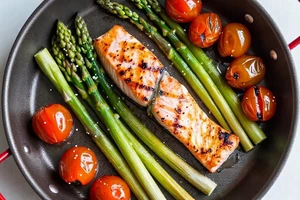
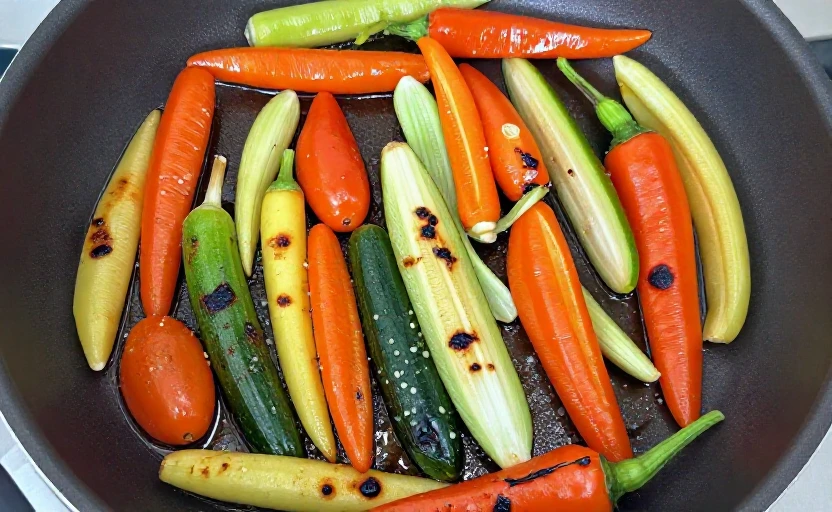
Think of your pan as having a finite capacity for heat. Each piece of vegetable needs direct contact with the hot surface to sear properly. When you pile them in too close together, they steam each other. The released moisture has nowhere to go, so it pools in the pan, dropping the temperature and preventing any browning. You end up simmering or stewing the vegetables instead of sautéing or roasting them.
A good rule of thumb: if the vegetables are stacked on top of each other, you have too many in the pan. They should be in a single, mostly uncrowded layer.
How to Fix It and Get Perfect Veggies
Correcting this is simple and revolves around managing moisture and heat.
1. Use a Pan with Plenty of Surface Area
Choose the largest skillet, roasting pan, or sheet pan you have. A 12-inch skillet or a full-size half-sheet pan is ideal for most family-sized meals. More surface area means more room for vegetables to breathe and for moisture to evaporate quickly.
2. Work in Batches if Necessary
If you’re cooking a large quantity, don’t try to do it all at once. Sauté your harder, longer-cooking vegetables (like carrots or potatoes) first, remove them to a plate, then cook quicker-cooking veggies (like spinach or tomatoes) separately. Combine them all at the end just to heat through. This preserves the ideal texture of each component.
3. Let the Pan Get Properly Hot
Preheat your pan over medium-high heat before adding oil. The oil should shimmer when it hits the pan. A properly hot pan will cause immediate sizzling and searing, sealing the surface and slowing the rush of internal moisture.
4. Don’t Stir Constantly
Resist the urge to stir the vegetables incessantly. Let them sit undisturbed for a few minutes to develop a fond—those delicious browned bits on the bottom of the pan. This only happens with direct, sustained contact with heat.
Choosing and Preparing Vegetables to Minimize Water
Some prep techniques can give you an extra edge against sogginess.
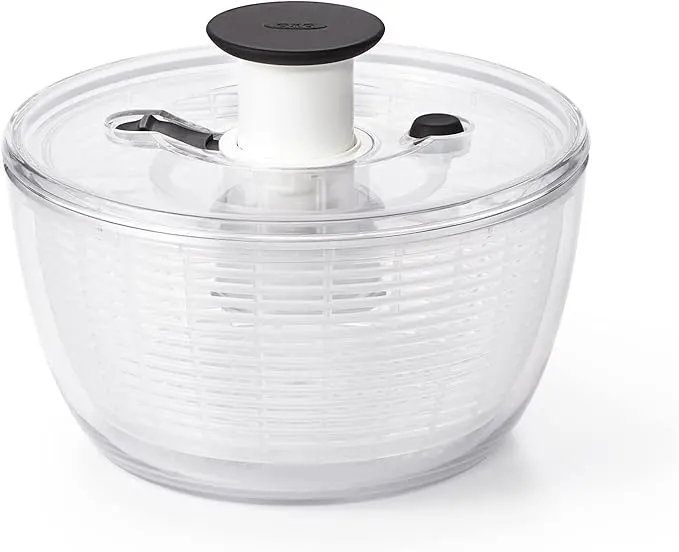
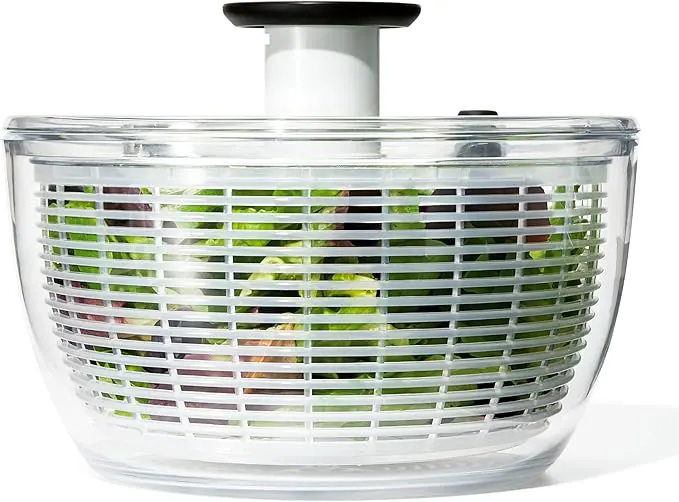
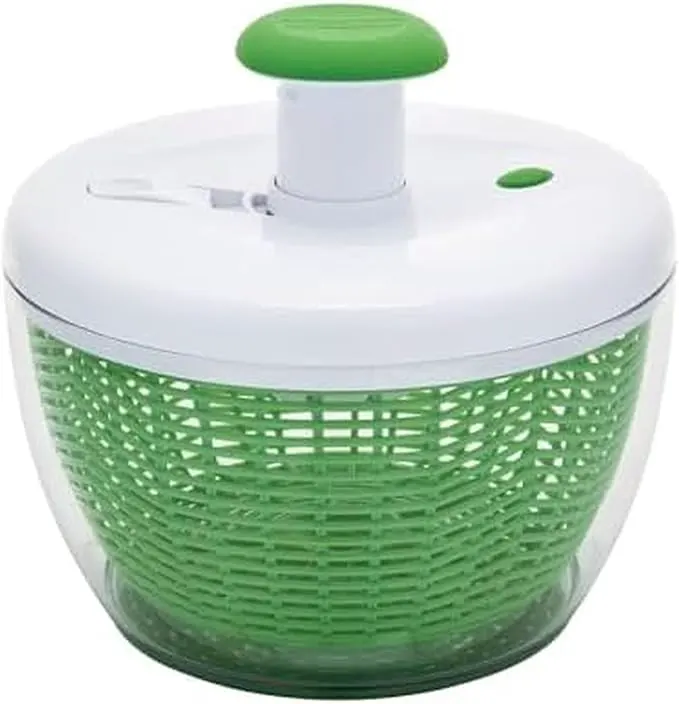
- Dry Your Vegetables: After washing, pat vegetables thoroughly dry with a clean kitchen towel or salad spinner. Any surface water will immediately create steam.
- Salt Dense Vegetables in Advance: For vegetables with a lot of cell structure, like eggplant, zucchini, or cucumbers, salting them ahead of time draws out excess liquid. Slice, sprinkle with salt, let sit for 15-30 minutes, then rinse and pat dry.
- Consider Cooking Times: Add vegetables to the pan in order of their cooking time and water content. Start with aromatics (onions, garlic), then hard veggies (carrots, broccoli stems), then softer ones (peppers, zucchini), and finally leafy greens.
What to Do If Things Get Steamy
Even with careful planning, a pan can sometimes get too watery, especially with very juicy vegetables like mushrooms or tomatoes. If you see a pool of liquid forming, you have two good options:
Option 1: The Patient Cook. Simply turn up the heat slightly and let the liquid simmer away. Once the water evaporates, the temperature will rise again and the vegetables will begin to brown in the remaining fats and their own sugars.
Option 2: The Strategic Cook. Use a slotted spoon to temporarily remove the vegetables from the pan. Let the liquid reduce rapidly by itself, then return the veggies to the now-dry, hot pan to finish browning.
Mastering the one-pan vegetable cook isn’t about a complex technique; it’s about respecting the physics of heat and water. By giving your vegetables the space they need, you trade steam for sear, and sogginess for the satisfying crunch and deep flavor that makes a simple side dish the best part of the meal.