Making gluten-free pizza dough from scratch is already a delicate process. Add fresh herbs into the mix, and the margin for error gets even smaller. I've seen home cooks and even seasoned bakers watch their hard work fall apart — literally — because of one simple oversight. The good news is, once you know what to look for, you can avoid it entirely.
What is the one mistake that ruins the dough?
The most frequent error is adding fresh herbs before the dough has had its initial rest or hydration period. When you fold in chopped basil, oregano, or rosemary at the very start, the moisture from the herbs throws off the delicate balance of the gluten-free flour blend. Since gluten-free dough lacks the stretchy protein network of wheat dough, it cannot compensate for extra liquid. The result is a sticky, slack mess that never rises properly and bakes into a dense, gummy crust.
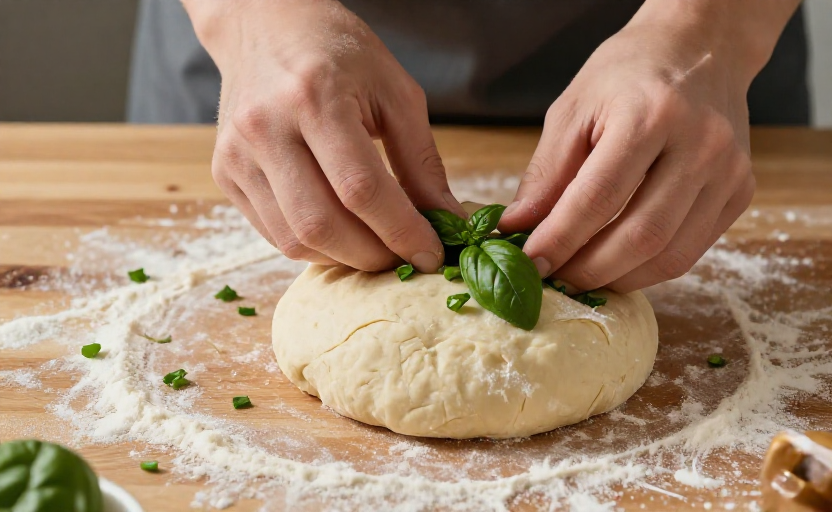
Instead, treat your fresh herbs as a finishing ingredient. Let the dough rest for at least 10–15 minutes after mixing so the flours (like rice, almond, or tapioca) can fully absorb the water. Only then should you gently fold in the herbs.
Editor's tip: Pat your herbs dry with a paper towel before chopping. Even a few extra drops of water can make the difference between a workable dough and a disaster.
Why gluten-free dough is so sensitive to moisture
Gluten-free flour blends are typically made from starches and non-wheat grains. These flours absorb liquid differently than wheat flour. They are often thirsty at first, then become fragile once fully hydrated. Adding wet ingredients — like freshly washed herbs — late in the process can create pockets of excess moisture that never integrate.
This moisture imbalance also affects the structure. Without gluten to hold the dough together, the crust relies on starches and often a binder like xanthan gum or psyllium husk. Too much water destabilizes these bonds. You end up with a crust that cracks on the surface but stays raw and sticky in the center.
How to test if your dough is too wet
Before you bake, press your finger gently into the dough. It should spring back slightly. If your finger leaves a lasting indent or the dough feels tacky to the touch, it is likely over-hydrated. At this point, you can try dusting with a little extra gluten-free flour — but be careful not to overwork it.
Best practices for adding fresh herbs
- Choose the right herbs: Rosemary, thyme, and oregano have sturdier leaves and release less moisture than basil or parsley. For tender herbs, add them right before rolling out the dough.
- Chop and dry: Always chop your herbs on a cutting board, then let them sit for a minute so surface moisture evaporates. Avoid rinsing right before chopping.
- Mix by hand: Use a gentle folding motion rather than a mixer. This prevents the dough from becoming tough and keeps the herbs evenly distributed.
Common troubleshooting: What to do if your dough is already ruined
If you have already added the herbs too early and your dough is sticky and unworkable, don't throw it away. Here are three fixes to try:
- Add more flour gradually: Sprinkle in a gluten-free blend one tablespoon at a time until the dough becomes firm but still pliable.
- Chill the dough: Wrap it in plastic and refrigerate for 20 minutes. Cold temperatures help firm up the fats and starches, making the dough easier to handle.
- Bake on parchment paper: Press the dough directly onto parchment instead of a floured surface. This reduces the need for extra flour and helps the crust hold its shape.
Final thoughts on perfecting your gluten-free herb pizza crust
Quick gluten-free pizza dough with fresh herbs is entirely achievable — you just have to respect the timing. Let the flour absorb its base moisture first, then introduce your herbs gently. Once you master this simple sequence, you will have a flavorful, crisp crust every time.
General wellness education only: This article is for informational purposes and does not replace professional dietary advice.