You’ve assembled the ingredients: a lean protein, a generous pile of greens, perhaps some avocado for healthy fat. It’s nutritionally sound, it fits your macros, but as you sit down to eat, a familiar feeling of resignation sets in. It’s… fine. It’s fuel. But it’s also a little boring, a little same-same, and by Wednesday, the mere thought of another dry chicken breast over undressed lettuce is enough to make you reconsider your entire plan.
This is the common plateau for anyone exploring a lower-carb way of eating. The initial excitement of shedding simple carbs gives way to a rut where meals become repetitive and, frankly, bland. The mistake isn’t in the choice of core ingredients—it’s in overlooking the very elements that make food satisfying and delicious. We focus so intently on what to remove that we forget to build flavor back in.
Where Does the Flavor Go?
Traditional lunches often rely on carbohydrates as a carrier for flavor. Think of a sandwich: the bread or wrap holds together layers of savory meats, creamy spreads, and tangy condiments. A grain bowl gets its appeal from a flavorful sauce or dressing that clings to every bite of rice or quinoa. When we remove those starchy bases, we can inadvertently strip away the vehicle for taste, leaving proteins and vegetables feeling isolated and under-seasoned.
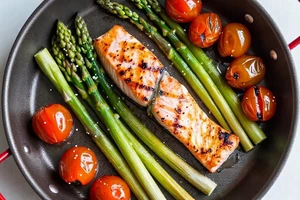
The blandness creeps in when we default to the simplest preparation methods—steaming, plain grilling, or basic sautéing—without considering how to layer taste. A piece of fish with a squeeze of lemon is healthy, but eaten three days in a row, it becomes a chore. The solution isn’t to add back the carbs, but to become more intentional with everything else in your culinary toolkit.
The Flavor Builders You’re Probably Underusing
Transforming a low-carb lunch from bland to brilliant hinges on mastering a few key categories of flavor. These are your new best friends.
Fat Is Your Flavor Friend
Fat carries flavor. It creates a luxurious mouthfeel and helps you feel satiated. Moving beyond a simple drizzle of olive oil can make all the difference.
- Finishing Oils: A teaspoon of toasted sesame oil, walnut oil, or a chili-infused olive oil added after cooking provides a powerful aroma and taste.
- Rich Toppings: A dollop of full-fat Greek yogurt, a sprinkle of crumbled feta or goat cheese, a few slices of avocado, or a handful of toasted nuts or seeds add texture and depth.
- Compound Butters: Mix softened butter with herbs, garlic, or citrus zest and keep it in the fridge. A small pat melted over a grilled chicken breast or steamed vegetables is a game-changer.
The Acidic Lift
Acidity is the secret weapon against dullness. It brightens, balances, and makes other flavors pop.
A splash of vinegar or citrus juice can rescue even the most tired-looking salad or plate of leftovers.
Keep an array of acids on hand: fresh lemon and lime juice, apple cider vinegar, red wine vinegar, and rice vinegar. A quick pickle of red onions or radishes in vinegar and salt adds a crunchy, tangy element that cuts through richness.
Herbs and Alliums, Fresh and Bold
Dried herbs have their place, but fresh herbs are like a burst of green energy on your plate. Chopped cilantro, parsley, dill, basil, or mint stirred in at the last minute provide fragrance and complexity. Similarly, don’t be shy with alliums. Sautéed onions, shallots, and garlic are foundational. For a raw, pungent kick, thin slices of scallion or a bit of minced red onion can wake up any dish.
Texture: The Unsung Hero of Satisfaction
Blandness isn’t just about taste; it’s also about mouthfeel. A lunch that’s uniformly soft or mushy will feel unsatisfying, no matter how well-seasoned. Contrast is key.
If your main is tender (like pulled pork or flaked salmon), add something crunchy: a handful of pumpkin seeds, some chopped celery or jicama, or even a few low-carb croutons made from roasted cheese. If you’re having a crisp salad, include a creamy element like sliced boiled eggs or soft cheese. This play of textures keeps your palate engaged and makes the meal feel more complete.
Putting It All Together: A Non-Boring Low-Carb Lunch Formula
Instead of thinking "protein + vegetable," try this framework: Base + Protein + Vegetables + Fat + Acid + Crunch + Fresh Herb. You don’t need all seven every time, but aiming for three or four beyond the core protein and veg will create a far more interesting meal.
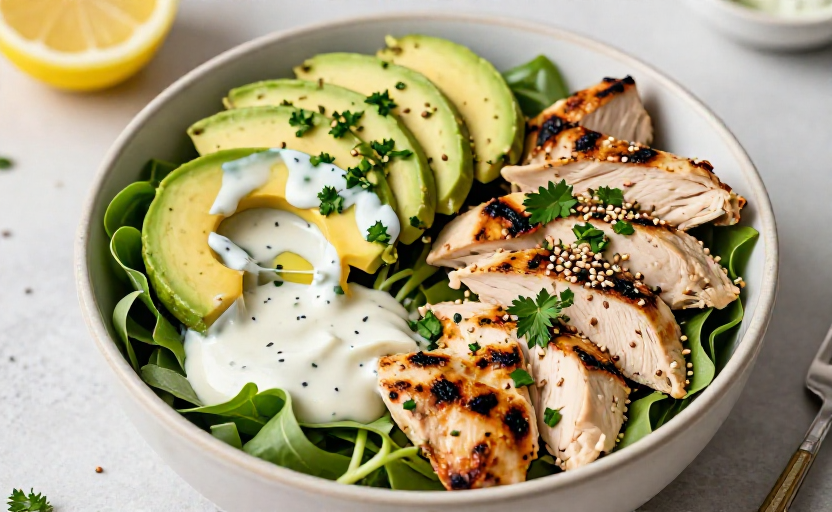
Example 1: The "Bowl"
Base: A bed of baby spinach and shredded cabbage.
Protein: Sliced grilled chicken.
Fat & Flavor: Sliced avocado, a tahini-lemon dressing (fat + acid combined).
Crunch: Toasted sunflower seeds.
Fresh Herb: Chopped cilantro.
Example 2: The "Remix"
Protein: Leftover roasted salmon, flaked.
Vegetable: Sautéed zucchini ribbons.
Fat & Acid: A dollop of herbed yogurt (dill, lemon zest, salt).
Crunch: A sprinkle of capers.
This takes five minutes but tastes thoughtfully prepared.
Shake Up Your Prep
Finally, break the routine by changing your cooking methods. If you always bake chicken, try poaching it in broth with herbs and shredding it for a chicken salad. If you always steam broccoli, try roasting it at high heat until the edges caramelize. That Maillard reaction (the browning) creates a whole new spectrum of savory, nutty flavors that steaming simply cannot achieve.
The goal of a sustainable low-carb lifestyle isn’t mere subsistence. It’s enjoyment, nourishment, and satisfaction. By shifting your focus from subtraction to addition—adding bold fats, bright acids, varied textures, and fresh aromatics—you reclaim the pleasure of eating. Your lunches will stop being something you endure and start being something you genuinely look forward to.