Making dairy-free desserts at home can be a game-changer for your health, but all too often they end up tasting flat, watery, or just plain boring. You might be following the recipe to the letter—swapping out cow's milk, skipping the butter—and still find the final result lacks that creamy, indulgent quality you were hoping for. The culprit is usually one simple, fixable mistake: not accounting for the structure and richness that dairy provides.
When you remove dairy, you remove a significant source of fat and natural emulsifiers. Fat carries flavor and gives desserts a smooth mouthfeel. Emulsifiers help ingredients bind together, preventing separation and creating that luscious texture. If you simply replace a cup of whole milk with an equal amount of plant-based milk without adjusting the other components, you end up with a thin, lackluster dessert. The solution isn't complicated—it's all about balancing your substitutes.
Why Dairy-Free Desserts Lose Their Edge
Dairy is more than just a liquid. Whole milk contains about 3.25% fat, plus proteins and lecithin that act as natural stabilizers. Cream has even more fat, around 36–40%. When you switch to almond, oat, or coconut milk, you change the fat content dramatically. Almond milk, for example, has less than 1% fat. Without compensating for that loss, your dessert will lack richness and may even taste watery.
Another problem is sweetness. Dairy naturally contains lactose, a sugar that contributes a subtle sweetness. Many plant-based milks are unsweetened or have added sugars that don't interact the same way with other ingredients. If you don't taste and adjust your sweetener—whether it's maple syrup, agave, or a sugar substitute—your dessert can end up tasting flat or unbalanced.
The fix: When a recipe calls for one cup of dairy milk, use full-fat coconut milk or a barista-style oat milk for better fat content. You can also add a tablespoon of nut butter, avocado, or coconut cream to restore that creamy texture.
The Role of Fat in Flavor and Texture
Fat is a flavor carrier. It coats your tongue and helps dissolve fat-soluble compounds in ingredients like cocoa, vanilla, or spices. Without enough fat, those flavors seem muted. This is why vegan chocolate pudding often tastes more intense when made with avocado or coconut cream—the fat amplifies the cocoa's depth.
For frozen desserts like nice cream or dairy-free ice cream, fat also affects freeze-thaw stability. A low-fat base can turn icy and brittle in the freezer. Adding a small amount of coconut oil or a nut butter not only improves texture but also prevents large ice crystals from forming. The same principle applies to dairy-free cheesecakes: a cashew-based filling works because the nuts provide ample fat, but if you dilute it with too much water or low-fat milk, the dessert becomes grainy or runny.
The Binding Mistake: Forgetting Emulsifiers and Thickeners
Dairy naturally contains casein and whey proteins that help emulsions stay stable. When you remove them, your dessert can separate or develop a chalky mouthfeel. The common mistake is skipping ingredients like arrowroot powder, cornstarch, or a small amount of silken tofu that act as binders in dairy-free cooking. A pinch of xanthan gum or a teaspoon of flaxseed meal can make a surprising difference in pudding, mousse, or custard recipes.
For baked goods, the lack of dairy also affects browning and structure. A cake made with almond milk may turn out pale and dense if you don't adjust the baking soda or add a bit of acid (like lemon juice or apple cider vinegar). The acidity reacts with baking soda to create lift, while fat from oil or coconut milk keeps the crumb tender.
How to Fix It: Simple Swaps for Better Dairy-Free Desserts
- For creamy texture: Replace low-fat plant milks with full-fat coconut milk, cashew cream, or oat milk specifically formulated for baristas (which often has added fat and stabilizers).
- For richness: Add a tablespoon of coconut cream, nut butter, or avocado per cup of liquid. This boosts fat content without overwhelming the flavor.
- For sweetness balance: Taste your base before chilling or baking. Because plant milks vary in sweetness, you may need to add a little extra maple syrup or a pinch of salt to bring out the other flavors.
- For structure: Use a small amount of cornstarch (1–2 teaspoons per cup of liquid) or a teaspoon of lemon juice to help thickening and browning in cakes and puddings.
Real-World Example: A Better Dairy-Free Cold Coffee
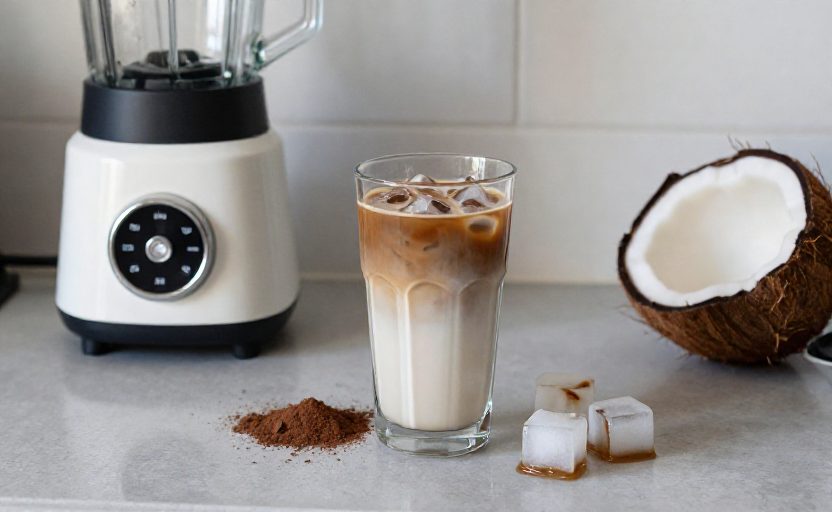
Celebrity fitness instructor Yasmin Karachiwala shared a simple cold coffee recipe that avoids the blandness trap. She uses coffee ice cubes, cacao powder, a tablespoon of Nutella (or dark chocolate vegan variety), and full-fat coconut milk. The coconut milk provides enough fat to carry the cocoa and coffee flavors, while the Nutella adds richness and a stable texture. The result is a creamy, satisfying drink that doesn't taste watered down. The key is that she didn't use a skim or low-fat alternative—she chose a milk with substantial fat content. This principle applies to any dairy-free dessert: pick your fat source deliberately.
If you're making a pudding, try adding a spoonful of tahini or peanut butter. For a mousse, whip aquafaba (chickpea water) with cream of tartar, then fold it into a melted dark chocolate and coconut cream base. The structure comes from the whipped aquafaba, not from dairy proteins. In cakes, replace buttermilk with a mix of plant milk and cider vinegar, and use oil or melted coconut oil instead of butter to keep the crumb soft.
Common Dairy-Free Desserts That Benefit From These Fixes
Almost any dessert can be adapted, but a few classics highlight the fat-and-binder rule:
- Vegan chocolate mousse: Requires both fat (avocado or coconut cream) and an emulsifier (silken tofu or agar agar) for the right airy texture.
- Dairy-free ice cream: Needs at least 10–15% fat from coconut cream or cashew paste to avoid iciness. Adding a tablespoon of vodka or glucose syrup lowers the freezing point, making it scoopable.
- Almond milk pudding: Tends to be thin unless you add cornstarch or a small amount of coconut cream. Let it cook longer to activate the thickener.
The next time your dairy-free dessert falls flat, check its fat content first. If the liquid base is too lean, add a creamy element. Then verify you have a binder (starch, tofu, or gum) to stabilize the emulsion. Finally, adjust sweetness to your taste. With these three changes, your desserts will go from bland to blissful—no dairy required.