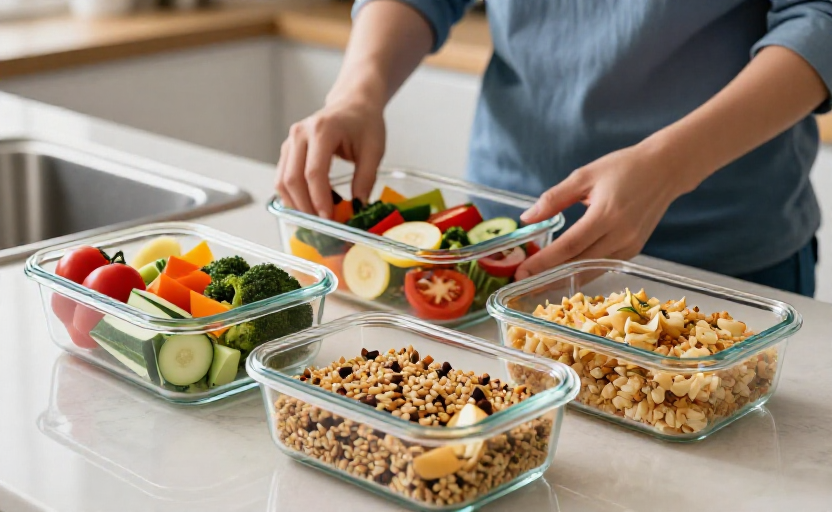
If you have tried to get ahead on plant-based breakfasts only to find yourself still scrambling in the morning, you are not alone. The problem is rarely the recipe — more often, it is one specific meal prep mistake that turns a quick idea into a slow project. Here is what goes wrong and how to fix it so your plant-based mornings actually feel easy.
The Mistake: Prepping Whole Ingredients Instead of Ready-to-Use Components
The most common time trap is washing, chopping, and storing vegetables or grains in their raw, whole form. When you pull out a container of uncooked sweet potatoes or a head of kale that still needs to be stemmed, you have saved almost no time. The prep work still needs to happen while your coffee is brewing.
The fix is simple but requires a shift in thinking: prep ingredients to the point where they are essentially ready to eat or cook immediately. That means diced tofu, pre-cooked quinoa, spiralized zucchini, and roasted sweet potatoes stored in separate containers. When everything is already cooked or cut, assembling a breakfast bowl or a wrap takes about as long as pouring cereal.
Why Plant-Based Breakfasts Are Especially Vulnerable
Plant-based cooking often involves more produce and whole-food components than a standard breakfast. A tofu scramble might require bell peppers, onions, spinach, and mushrooms — each needing washing, chopping, and possibly pre-cooking. Oatmeal with toppings means measuring out chia seeds, slicing fruit, and toasting nuts. The cumulative prep time adds up fast unless you handle it ahead of time.
Another overlooked factor is how quickly certain plant-based ingredients spoil once they are cut. Avocado turns brown, apples oxidize, and greens wilt. If you prep these too far in advance without proper storage, you end up wasting food and starting over.
Practical Solutions That Save Real Time
- Cook grains and legumes in bulk. Make a big batch of quinoa, brown rice, or lentils on Sunday. Portion them into single-serving containers so you can grab one for a breakfast bowl or a savory porridge.
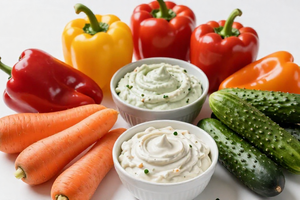
- Pre-chop sturdy vegetables. Onions, bell peppers, carrots, and celery keep well for several days when stored in airtight containers. Use them for scrambles, wraps, or quick sautés.
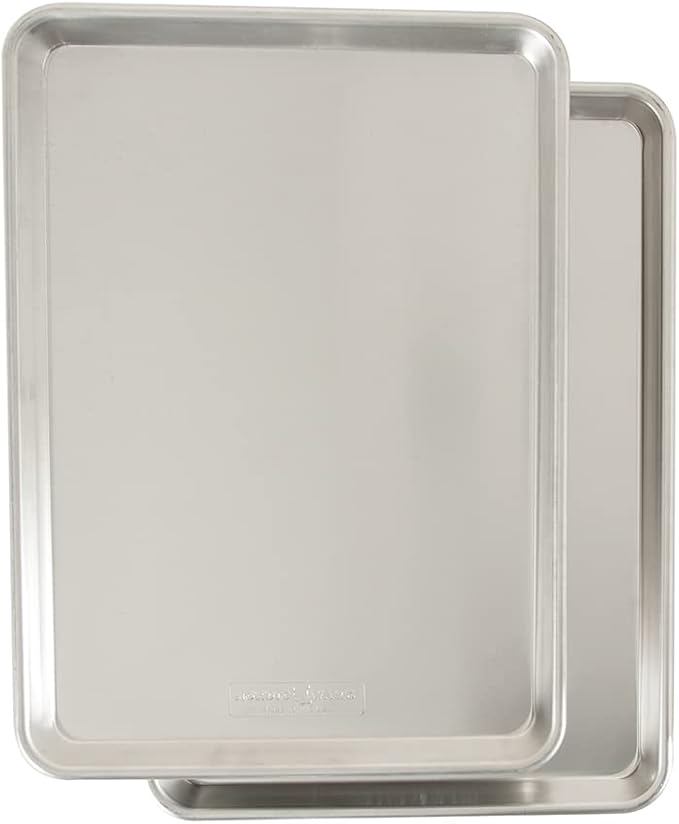
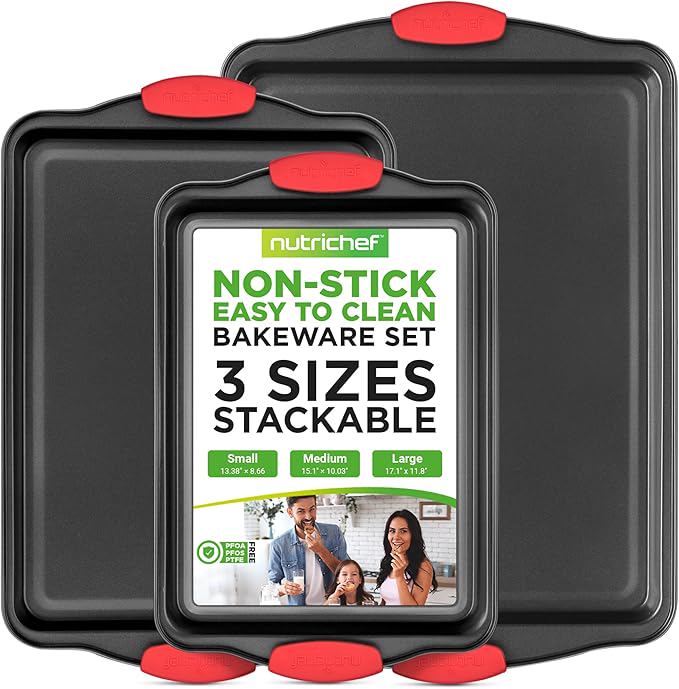
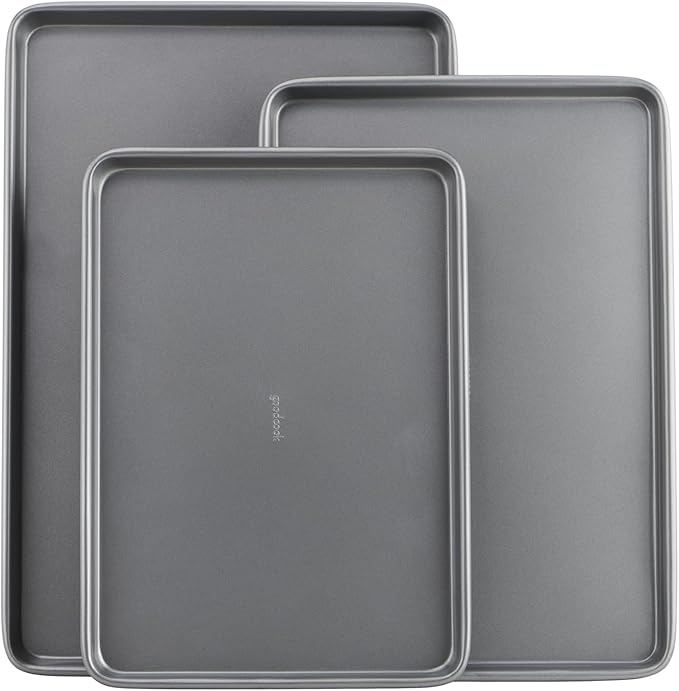
- Pre-cook dense vegetables. Roast a sheet pan of sweet potatoes, butternut squash, or beets. They reheat beautifully and add substance to any breakfast.
- Freeze single-serve smoothie packs. Portion spinach, banana, berries, and flaxseed into freezer bags. In the morning, dump one into the blender with your favorite plant-based milk.
- Store greens properly. Wash and dry leafy greens, then wrap them in paper towels inside a sealed bag or container. This keeps them crisp and ready to use for up to a week.
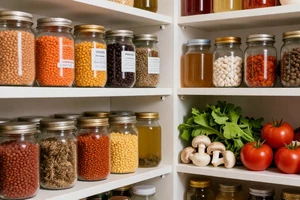
Quick tip: Label your containers with a permanent marker or masking tape. It takes seconds and saves you from searching through unmarked jars when you are in a hurry.
What About Breakfasts That Need to Be Fresh?
Some plant-based breakfasts are best made the same day — think avocado toast or fresh fruit bowls. Even here, you can prep the supporting components. Mash your avocado with lime juice and salt in advance (press plastic wrap directly onto the surface to prevent browning). Slice your bread and store it in the freezer, ready to toast. Pre-make a batch of cashew cream or a simple dressing to add at the last minute.
The goal is not to eliminate all morning activity but to reduce the active cooking and chopping time to under five minutes. Anything that requires more than that should be done during your main meal prep session.
The Big Picture: Rethink How You View Prep Time
Many people mistake meal prep for simply buying ingredients. Real meal prep means transforming those ingredients into components that require zero additional work. If you are still washing, peeling, or cutting in the morning, you are doing the prep at the wrong time.
Plant-based breakfasts can be incredibly fast and satisfying. The key is to stop treating every breakfast as a standalone project and start treating it as a quick assembly of pieces you have already built. Once you correct that one mistake, the entire routine becomes smoother, faster, and actually enjoyable.