Polycystic ovary syndrome (PCOS) already makes sleep a challenge. Hormonal fluctuations, insulin resistance, and anxiety can keep your mind racing long after the lights go out. But there is one bedtime mistake that many women with PCOS make without realizing it—and it may be quietly driving up cortisol and undermining your rest.
That mistake is scrolling through your phone, watching television, or working on a laptop within the hour before bed. The blue light from screens suppresses melatonin production, but for someone with PCOS, the consequences go deeper. Elevated evening cortisol is common in PCOS, and screen time before bed can push it even higher, creating a cycle of poor sleep, increased insulin resistance, and worsened symptoms.
Why PCOS makes your sleep more vulnerable
Women with PCOS often have a disrupted circadian rhythm. Cortisol, the body's primary stress hormone, typically peaks in the morning and declines throughout the day, reaching its lowest point around midnight. In PCOS, that natural drop may not happen as it should. Studies show that women with the condition often have higher evening cortisol levels, which can delay sleep onset, reduce deep sleep, and lead to waking up feeling unrefreshed.
When you add blue light exposure at night—from a phone, tablet, or computer—it tells your brain that it is still daytime. This delays melatonin release and signals the adrenal glands to keep producing cortisol. For someone already prone to elevated cortisol, this double hit makes it harder to fall asleep and stay asleep.
How night-time screen use worsens PCOS symptoms
The relationship between poor sleep and PCOS is bidirectional. Sleepless nights increase insulin resistance, which in turn worsens hormonal imbalances, weight management, and mood. When cortisol stays high, it can stimulate more androgen production, potentially worsening acne, hair thinning, and irregular periods.
But the screen itself is not the only problem. The content you engage with matters too. Scrolling through social media, reading stressful news, or answering work emails activates the brain's threat-detection system. For a PCOS brain that may already be sensitive to stress, this can spike cortisol and adrenaline, making it nearly impossible to transition into rest mode.
One small study found that women with PCOS who used their phones for more than 30 minutes before bed had significantly lower sleep quality and higher morning cortisol than those who put their phones away an hour before sleep.
Signs that screen time is disrupting your sleep
Not everyone notices the connection right away. Here are common signs that your bedtime screen habit could be affecting your PCOS sleep and cortisol:
- You feel sleepy but can't fall asleep for 30 minutes or more after getting into bed.
- You wake up frequently during the night, especially between 2 a.m. and 4 a.m.
- You wake up feeling tired, even after a full night in bed.
- You rely on caffeine or sugar to get through the afternoon.
- Your PCOS symptoms—especially cravings, mood swings, or breakouts—worsen during periods of poor sleep.
What to do instead: practical swaps for better PCOS sleep
Replacing one habit is more sustainable than trying to overhaul your entire bedtime routine overnight. Start with these small, specific changes:
Create a tech-free buffer
Aim to put away all screens 45 to 60 minutes before you plan to sleep. That does not mean staring at the ceiling. Use the time for something that genuinely signals relaxation to your nervous system. A warm (not hot) bath, gentle stretching, journaling, or reading a physical book can all help lower cortisol naturally. If you must use a device, turn on night mode and reduce brightness, but consider that a backup, not a long-term solution.
Dim the lights
Bright overhead lights at night also suppress melatonin. Switch to a low-wattage lamp or use candles (safely) an hour before bed. Dim lighting helps cue your brain that the day is ending, which supports cortisol decline and prepares your body for sleep.
Keep your bedroom cool and dark
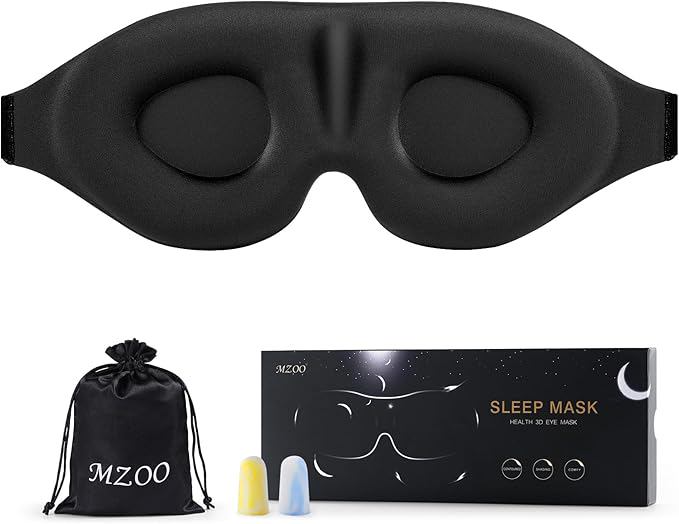
PCOS is associated with a higher core body temperature at night, which can disrupt sleep. Aim for a bedroom temperature around 65–68°F (18–20°C). Use blackout curtains or a sleep mask, and remove any electronics that emit light, including chargers with small LED indicators.
Anchor your sleep schedule
Going to bed and waking at the same time every day—yes, even on weekends—helps stabilize your circadian rhythm and cortisol pattern. Irregular sleep times are linked to higher cortisol and worse PCOS metabolic markers.
A consistent routine trains your body to release melatonin at the same time each night and cortisol at the same time each morning. That predictability is especially helpful when your hormones are already working against you.
When to seek additional support
If you have tried adjusting your screen habits for several weeks and still struggle with sleep, consider speaking with a healthcare provider who understands PCOS. Sleep disturbances in PCOS can also be related to sleep apnea, which is more common in women with the condition due to higher rates of insulin resistance and abdominal weight. A sleep study may be appropriate if you snore loudly, wake gasping for air, or feel exhausted despite sleeping through the night.
Sometimes, blood sugar dips during the night can also wake you up. Eating a balanced dinner with protein, fiber, and healthy fat, and avoiding high-sugar snacks close to bedtime, can help maintain stable glucose levels through the night.
Putting the phone away is a small change, but for women with PCOS, it targets a root cause of poor sleep: a cortisol rhythm that has gone off track. By protecting that final hour before bed from screens, you give your body a real chance to rest, repair, and reset for the day ahead.