
You crushed your workout. Your muscles are fatigued, your glycogen stores are depleted, and your body is screaming for replenishment. In the rush to cool down and stretch, many athletes grab whatever drink is closest—often a brightly colored sports beverage or a protein shake from a powder canister. But according to sports dietitians, the ideal post-workout drink might be simpler and more strategic than you think.
The science of recovery hinges on three things: rehydrating, replenishing glycogen, and repairing muscle tissue. While dozens of products claim to do all three, the best option depends entirely on the type, intensity, and duration of your exercise. Here’s what the experts actually recommend you reach for after your final rep.
The Gold Standard: Chocolate Milk
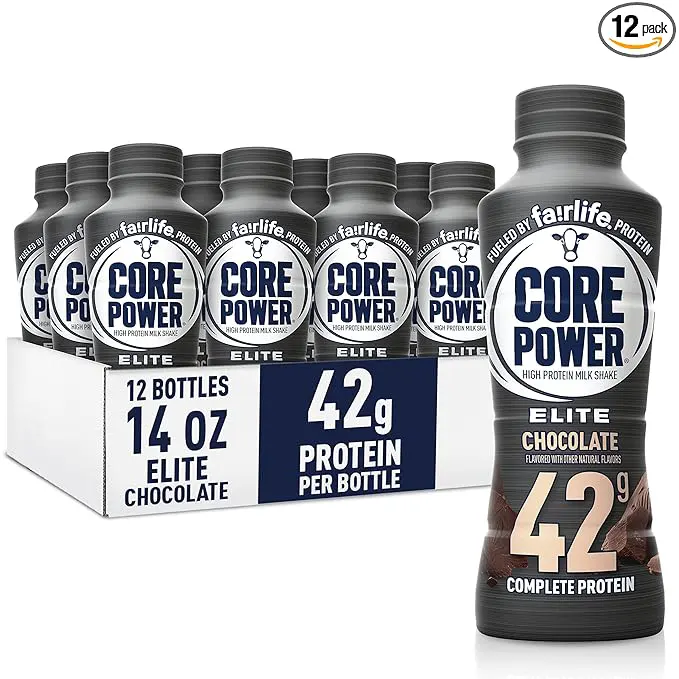
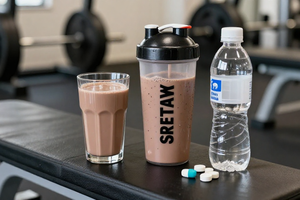
It sounds almost too good to be true, but unsweetened or low-sugar chocolate milk has emerged as one of the most effective recovery drinks studied in sports nutrition. Registered dietitians point to its ideal ratio of carbohydrates to protein—roughly 3:1 or 4:1—which mirrors what the body needs most after a workout. The natural sugars in milk replenish glycogen stores, while the whey and casein proteins provide a steady stream of amino acids for muscle repair.
A 2023 review in the Journal of the International Society of Sports Nutrition found that chocolate milk consistently performs as well as or better than commercial recovery beverages for endurance and strength athletes alike. It also contains electrolytes like calcium, potassium, and sodium, which help restore fluid balance.
The bottom line: If you performed moderate-to-high intensity exercise for over an hour, chocolate milk is a convenient, cost-effective recovery option.
When Plain Water Isn't Enough
For shorter, lower-intensity sessions—say, a 30-minute brisk walk or light yoga—plain water is often sufficient. But for any workout that leaves you drenched in sweat or lasts longer than 60 minutes, water alone misses key recovery components. You lose sodium and other electrolytes through perspiration, and without them, your body cannot properly rehydrate or maintain nerve function.
Sports dietitians recommend an electrolyte drink—either a commercial zero-sugar formula or a homemade mix with salt, lemon, and a touch of honey—for sessions where you're losing significant fluids. Pay attention to the color of your urine: if it’s dark yellow after exercise, you likely need more than just water.
Tart Cherry Juice for Inflammation
If your workout leaves you with significant muscle soreness—think heavy leg day or a long run—research suggests tart cherry juice may help reduce inflammation and oxidative stress. A 2021 study in Nutrients showed that athletes who consumed tart cherry juice post-exercise reported less pain and faster recovery of muscle strength compared to a placebo group.
However, experts caution that tart cherry juice is calorie-dense and relatively low in protein, so it should not replace a balanced recovery drink. Instead, consider using it as a complementary choice, particularly in the 24–48 hours after intense training. Diluted tart cherry juice or a small glass (about 8 ounces) can be a useful addition to your routine.
What About Coconut Water?
Coconut water has gained popularity as a natural alternative to sports drinks, and it does offer some benefits. It's rich in potassium and contains small amounts of sodium and magnesium. For light to moderate exercise, it can be a decent rehydrator.
But sports dietitians note that most commercial coconut waters are lower in sodium than what heavy sweaters need—and they lack the protein required for muscle repair. If you use coconut water post-workout, consider pairing it with a protein-rich snack (like a handful of almonds or a hard-boiled egg) to cover all your recovery bases.
The Protein Timing Debate
The old rule about consuming protein within 30 minutes of exercise—the so-called “anabolic window”—has softened. Research now shows that total daily protein intake matters more than precise timing for most people. If you eat a balanced meal within two to three hours after working out, you will likely get sufficient protein for muscle repair.
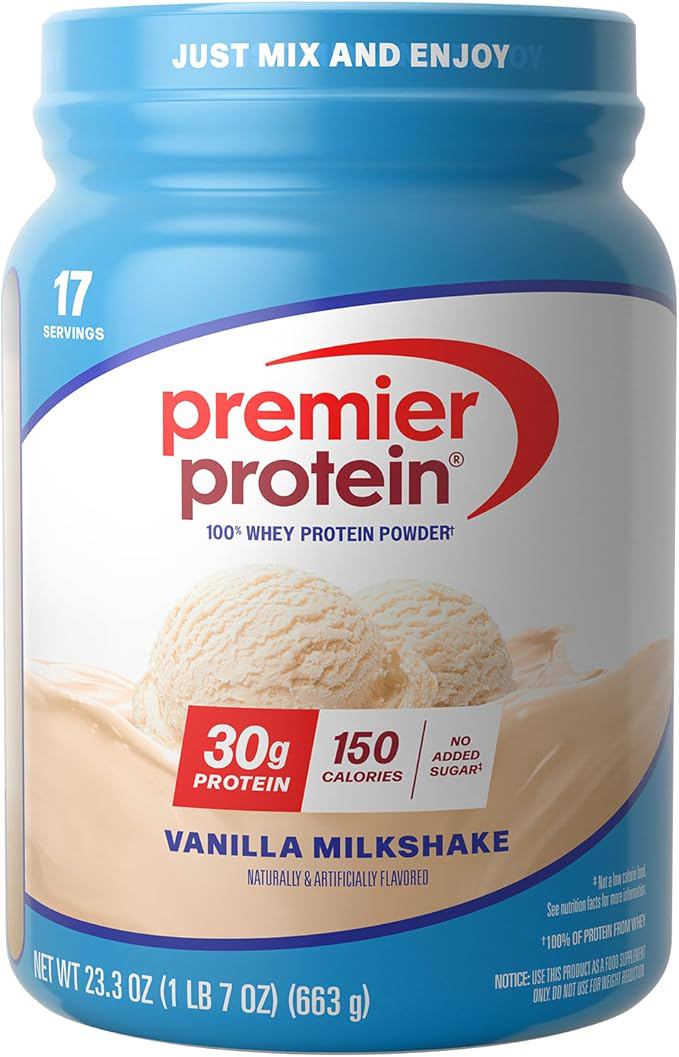
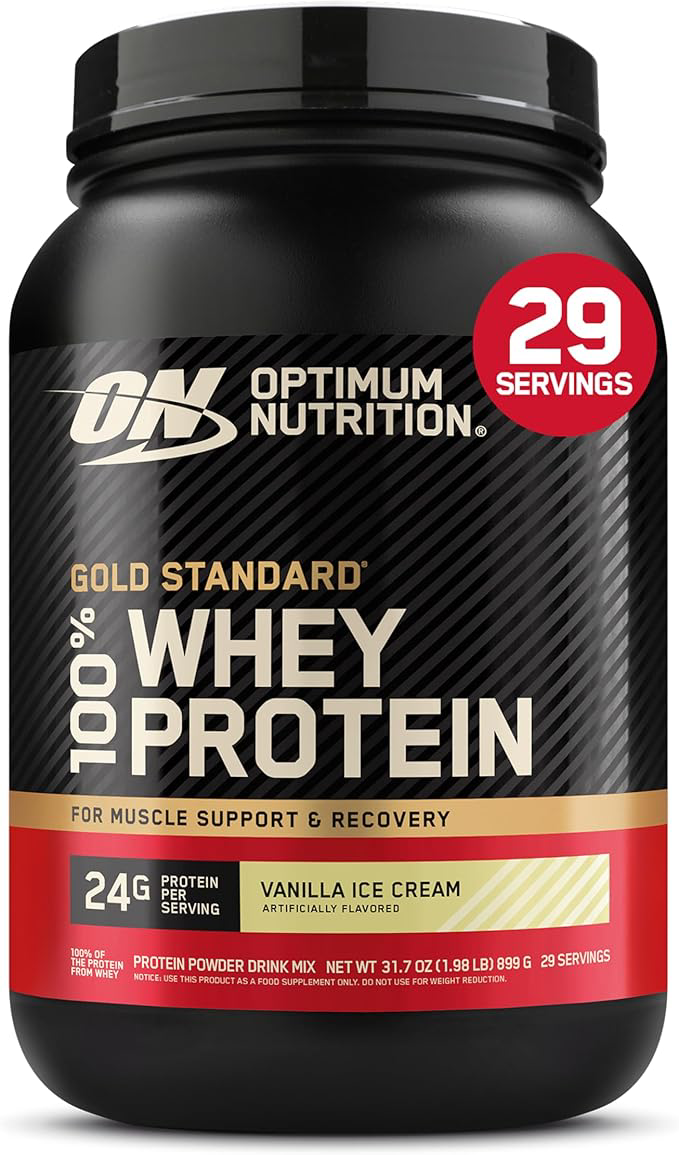
That said, a well-formulated protein shake can still be helpful, especially if you find it hard to eat solid food soon after exercise. Look for a product with at least 20 grams of protein and minimal added sugars. Whey protein is fast-digesting; plant-based options like pea or brown rice protein are fine for those avoiding dairy.
Practical Recommendations from Dietitians
To simplify your choice, here are the scenarios and the recommended drinks:
- Endurance or high-intensity training (over 60 minutes): Low-sugar chocolate milk or a carbohydrate-protein recovery shake.
- Moderate strength training (45–60 minutes): Water plus a balanced meal within two hours, or a protein shake if a meal is delayed.
- Light activity or short sessions: Plain water is usually sufficient. Replenish with your next regular meal.
- Heavy sweating or hot conditions: Electrolyte drink or coconut water with a pinch of salt and a protein source.
- Reducing muscle soreness: Add a small glass of tart cherry juice to your regular hydration routine.
The best post-workout drink is the one that fits your individual needs—and that you will actually drink. Sports dietitians emphasize that whole foods and proper hydration habits are the foundation; a drink is a supplement to, not a replacement for, a nutrient-dense diet. Listen to your body, pay attention to your recovery, and choose accordingly.