You crushed leg day. Squats, lunges, step-ups — the works. Now, 24 to 48 hours later, your hips are staging a protest. That deep, dull ache in the joint itself, separate from typical muscle soreness in your quads or glutes, can be surprisingly stubborn. While rest and gentle movement are essential, what you eat in this recovery window can directly influence how quickly that inflammatory cascade settles down.
Hip soreness after heavy lower-body training often involves a mix of delayed onset muscle soreness (DOMS) in the surrounding musculature and low-grade synovial irritation — the joint lining responding to load. The goal isn't to eliminate inflammation entirely (it's a necessary part of healing), but to support your body's natural resolution phase with targeted nutrients that don't promote further irritation.
Why the hips need special attention post-leg day
The hip joint is a deep ball-and-socket connection, surrounded by a complex web of muscles, tendons, and bursae. When you overload it with compound lifts, the joint capsule itself can become inflamed. Unlike surface-level muscle soreness, hip joint discomfort often feels like it's "inside" and may limit your range of motion more noticeably. Anti-inflammatory nutrition here focuses on reducing COX-2 enzyme activity and providing raw materials for tissue repair without taxing digestion.
The best foods to target deep hip inflammation
Fatty fish for omega-3s that cross the joint barrier
Salmon, mackerel, sardines, and anchovies are rich in EPA and DHA, long-chain omega-3 fatty acids that integrate into cell membranes throughout the body, including in joint tissues. Research shows that consistent intake of these fats can reduce the production of inflammatory cytokines. For the best recovery effect, aim for two to three servings per week, choosing wild-caught varieties when possible to avoid pro-inflammatory omega-6 imbalances from grain-fed fish.
Dark leafy greens for vitamin K and magnesium
Kale, Swiss chard, spinach, and collard greens deliver vitamin K1, which plays a role in regulating calcium deposition in soft tissues — important for preventing calcific irritation in overworked hip tendons. They also provide magnesium, a mineral that relaxes muscle tension around the joint. A large sautéed serving post-workout or blended into a smoothie can help calm the muscular tension that often radiates from hip soreness. If you take blood thinners, consult your doctor before significantly increasing vitamin K-rich foods.
Berries for polyphenol-driven inflammation resolution
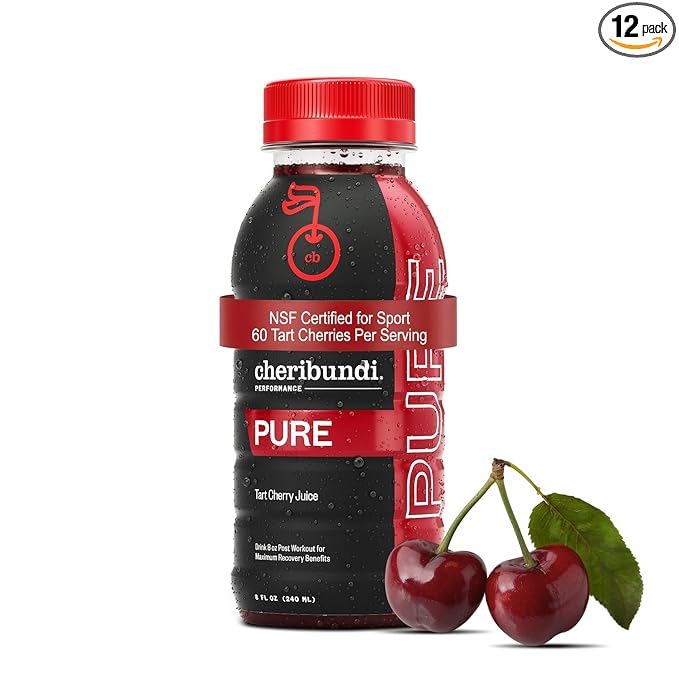
Blueberries, blackberries, raspberries, and tart cherries contain anthocyanins, compounds that inhibit NF-kB pathways involved in the inflammatory response. Tart cherry juice specifically has been studied for reducing markers of muscle damage and pain after intense exercise. A post-leg day bowl of mixed berries, or a small glass of unsweetened tart cherry juice, provides these benefits without the added sugar found in many recovery beverages.
Turmeric and black pepper for joint-focused COX-2 inhibition
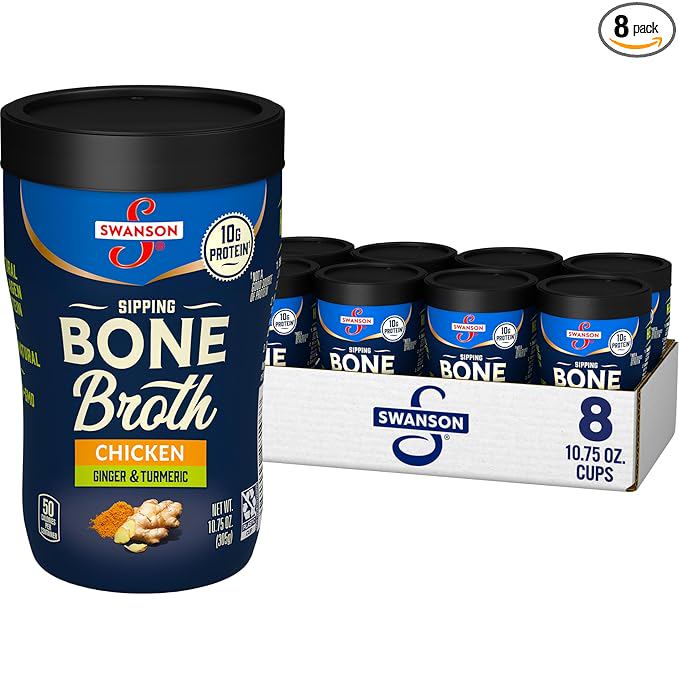
Curcumin, the active compound in turmeric, is a well-studied anti-inflammatory agent that works similarly to some NSAIDs by inhibiting COX-2 enzymes — but without the gastrointestinal side effects for most people. The catch: curcumin is poorly absorbed on its own. Pairing turmeric with black pepper (which contains piperine) can increase absorption by up to 2,000 percent. Add a teaspoon of turmeric and a pinch of black pepper to warm milk, broth, or roasted vegetables. Use it as a spice, not a supplement, unless you're working with a practitioner who can guide dosing.
Ginger for muscle and joint dual action
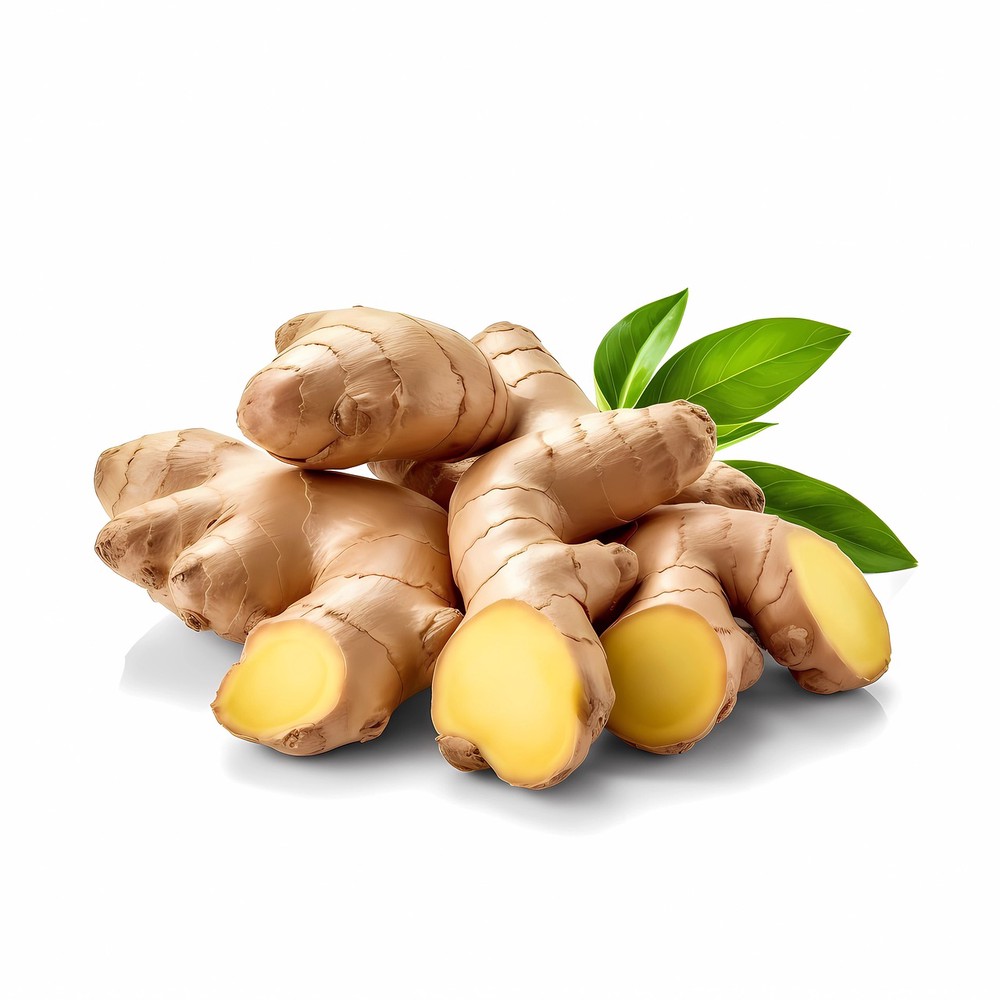
Fresh ginger contains gingerols and shogaols, compounds that reduce prostaglandin production — the same chemical messengers that amplify pain signaling in sore joints. Unlike some other anti-inflammatory foods, ginger's effects are noticeable within a few hours of consumption. Grate fresh ginger into stir-fries, steep it as a tea with lemon, or add it to a post-workout smoothie. It complements the curcumin in turmeric for a broader anti-inflammatory effect.
Bone broth or collagen for connective tissue support
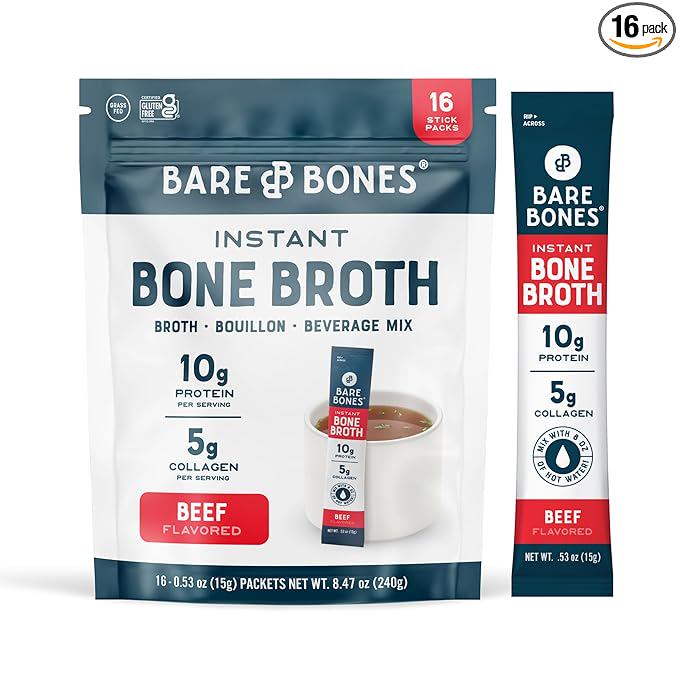
While the evidence for collagen supplements in joint health is mixed, bone broth provides glycine, proline, and glucosamine in a food matrix that supports the synovial fluid and cartilage in your hips. Sipping warm bone broth post-leg day can also soothe your digestive system, which matters because gut inflammation can worsen systemic inflammation. Opt for homemade or high-quality store-bought versions without added MSG or yeast extract, which can be inflammatory for sensitive individuals.
Foods to avoid when your hips are sore
Inflammation is an energy-demanding process. The wrong foods can prolong it. In the 48 hours after leg day, consider reducing or eliminating:
- Refined vegetable oils (soybean, corn, sunflower, grapeseed) — these are high in omega-6 linoleic acid, which can shift your body toward a pro-inflammatory state when consumed in excess. Check salad dressings, protein bars, and restaurant food.
- Added sugars — excess glucose spikes insulin and triggers inflammatory cytokines. That post-workout sports drink or sweetened protein shake may be counterproductive if your goal is joint recovery.
- Alcohol — especially beer and sugary cocktails. Alcohol dehydrates joint cartilage, impairs sleep quality (critical for repair), and increases oxidative stress.
- Processed meats — bacon, sausage, and deli meats contain advanced glycation end-products (AGEs) and nitrates that can amplify inflammation in sensitive individuals.
How to time your recovery meals for maximum benefit
The anti-inflammatory effect of food isn't instant, but you can build a rhythm. Within two hours post-leg day, focus on a meal that combines lean protein (for muscle repair), complex carbohydrates (to replenish glycogen without spiking insulin), and colorful vegetables (for polyphenols).
Example meal: grilled salmon over a bed of sautéed spinach and roasted sweet potatoes, with a side of mixed berries and a turmeric-ginger tea sweetened with a dash of honey.
Throughout the next day, continue to include anti-inflammatory ingredients at every meal rather than trying to rely on a single "superfood." Hydration is equally critical — joint cartilage is approximately 80 percent water, and even mild dehydration can reduce its ability to cushion the hip joint during movement. Aim for half your body weight in ounces of water per day, and consider adding electrolytes if you sweated heavily during your session.
When food isn't enough
A well-designed anti-inflammatory diet can significantly reduce the duration and intensity of hip soreness after leg day, but it isn't a cure-all. If your hip pain is sharp, catching, or accompanied by clicking that reproduces pain, you may be dealing with a labral tear, hip impingement (FAI), or early osteoarthritis rather than standard post-workout inflammation. In those cases, food supports the recovery but does not replace structural intervention. Persistent soreness beyond 72 hours, or pain that worsens with gentle activity, warrants evaluation by a physical therapist or sports medicine provider.
Also note that individual responses vary. Some people find that nightshade vegetables (tomatoes, peppers, eggplant, potatoes) trigger joint pain, while others tolerate them perfectly on leg day recovery. Keep a simple food-and-pain log to identify your personal triggers. The foods listed here are generally well-tolerated and beneficial for most people, but your body's signals matter most.
Ultimately, the best "supplement" for sore hips after leg day is consistent, whole-food nutrition combined with quality sleep, adequate hydration, and intelligent training load management. You can't out-eat poor programming, but you can give your joints the best possible environment to repair and adapt. That starts with what's on your plate — not a pill.