
When it comes to preserving the bounce and resilience of your skin, what you put in your mug matters just as much as what you put on your face. Collagen creams and retinoids have their place, but a daily habit of sipping the right tea offers a systemic approach to fighting sagging and fine lines. Dietitians point to one tea in particular that stands out for its unique ability to protect the connective tissue that keeps skin plump: green tea.
Here’s why this ancient brew earns the top recommendation from nutrition experts—and how to build a ritual around it that supports your skin’s natural elasticity.
Why green tea wins for skin elasticity
The star player in green tea is a catechin called epigallocatechin gallate (EGCG). Unlike the antioxidants found in many fruits, EGCG is exceptionally effective at neutralizing the free radicals produced by UV exposure and pollution—two primary drivers of collagen breakdown. Dietitians emphasize that green tea doesn't just fight existing damage; it helps shore up the skin's matrix so it can withstand daily stressors.
A key study published in the Journal of Nutrition found that women who consumed a green tea beverage rich in catechins for 12 weeks showed significant improvements in skin elasticity and texture compared to a placebo group. The mechanism is twofold: EGCG inhibits enzymes like collagenase that break down collagen fibers, and it also reduces inflammation that accelerates the aging process. For skin to stay firm, it needs both strong collagen scaffolding and a low-inflammation environment.
The anti-inflammatory edge
Chronic low-grade inflammation silently degrades elastin and collagen over time. Green tea’s polyphenols act as natural anti-inflammatory agents, dialing down the body's production of pro-inflammatory cytokines. Dr. Patricia K. Nguyen, a registered dietitian specializing in dermatological nutrition, notes that many of her clients see a visible difference in skin firmness after switching from coffee to green tea for a few months. “The reduction in puffiness and the subtle lift in skin tone often surprises people,” she says.
How to get the most out of your cup
Not all green tea is created equal when it comes to preserving elasticity. Here are three practical tips dietitians recommend to maximize the skin benefits.
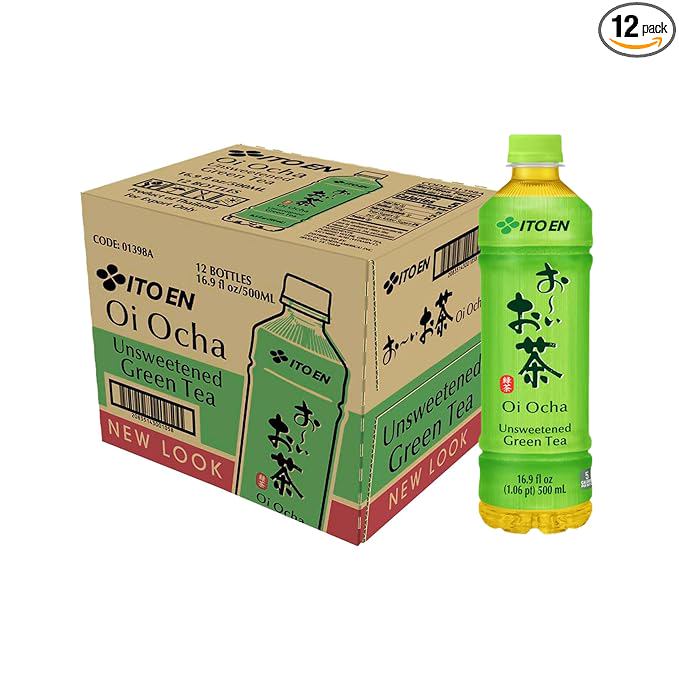
- Brew it yourself from loose leaf or high-quality bags. Bottled green teas often contain minimal EGCG and high amounts of added sugar, which works against your goal by promoting glycation—a process that stiffens collagen fibers. Stick to home-brewed versions and drink it within a few hours of steeping.
- Add a squeeze of lemon. Vitamin C helps stabilize the catechins in green tea, making them more absorbable in the gut. A splash of citrus also supports the body's own collagen production, giving you a synergistic effect.
- Don't add milk. Dairy proteins—specifically casein—can bind to catechins and inhibit their absorption. If you want a creamy texture, try a splash of oat or almond milk, but even then, consume it separately from your main antioxidant-rich cup.
Quick tip: For an extra skin boost, try matcha—a concentrated form of green tea where you consume the whole leaf. One cup of matcha provides roughly ten times the antioxidants of a standard cup of brewed green tea.
What about other teas?
Green tea isn't the only option, but dietitians rank it first for elasticity because of its unmatched catechin content. White tea, which is minimally processed, also contains high levels of antioxidants that protect collagen. Rooibos is a good caffeine-free alternative rich in aspalathin, a polyphenol that supports skin’s antioxidant defenses. Herbal teas like hibiscus are high in vitamin C, but they lack the specific EGCG profile that makes green tea so potent for structural support.
Ultimately, consistency matters more than perfection. A single cup daily over many months will do more for your skin than drinking several cups once a week. Dietitians recommend starting with one cup in the morning or early afternoon—since green tea does contain caffeine—and treating it as a mindful ritual rather than just a beverage.
Supporting habits for elastic skin
Tea works best as part of a broader pattern that protects collagen. Keeping sugar intake low, eating enough protein (especially glycine and proline from bone broth or poultry), and getting adequate sleep are all foundational. Hydration also plays a role; green tea contributes to your fluid needs, so it helps keep skin cells plump from within.
While no beverage can reverse deep wrinkles or replace sun protection, adding green tea to your routine is one of the simplest, research-backed steps you can take to help your skin stay resilient as you age.