
Noticing a little less definition along your jawline as you age is completely normal. But for many, that softening happens earlier or more noticeably than expected. The good news is that sagging skin around the jawline is rarely just a matter of fate or genetics. Often, it's driven by daily habits and environmental factors that you can actually address starting today.
Below, we’ll unpack four of the most common, controllable causes behind a loss of jawline firmness. Each one comes with a practical, research-informed approach to help you support your skin’s natural structure.
1. Repetitive sun exposure without protection
Ultraviolet radiation is the single biggest external culprit in skin aging. Over time, UV rays break down collagen and elastin—the two key proteins that keep skin plump and resilient. When those fibers weaken in the jaw and neck area, the skin loses its ability to ‘snap back,’ leading to jowls and a less defined jawline.
What you can do: Make daily broad-spectrum sunscreen (SPF 30 or higher) a non-negotiable part of your morning routine, even on cloudy days or when you’re indoors near windows. Look for formulas with zinc oxide or titanium dioxide for physical protection. Don’t forget to extend the product down onto your neck and the area behind your jaw—these spots are often missed.
2. A diet high in sugar and refined carbohydrates
Research shows that excess sugar in the bloodstream can trigger a process called glycation. Essentially, sugar molecules attach to collagen and elastin fibers, making them stiff and brittle. Over time, this compromises the supportive mesh that holds your skin taught, and the jawline is one of the first places where that structural loss shows.
A single high-sugar meal can temporarily reduce collagen production. Over weeks and months, the damage accumulates.
What you can do: You don’t need to eliminate sugar entirely—just be mindful of the biggest sources: soda, sweetened coffee drinks, candy, white bread, and ultra-processed snacks. Swap one of those daily items for a protein- or fiber-rich alternative (like nuts, yogurt, or a piece of fruit). Staying hydrated also helps your body flush out excess sugar more efficiently.
3. Chronic dehydration and lack of topical moisture
Your skin is roughly 30 percent water. When you don’t drink enough fluids, skin cells become dehydrated and shrink slightly, making fine lines and laxity more visible. Dehydrated skin also has a compromised barrier, meaning it loses water faster and is less able to defend against environmental stressors.
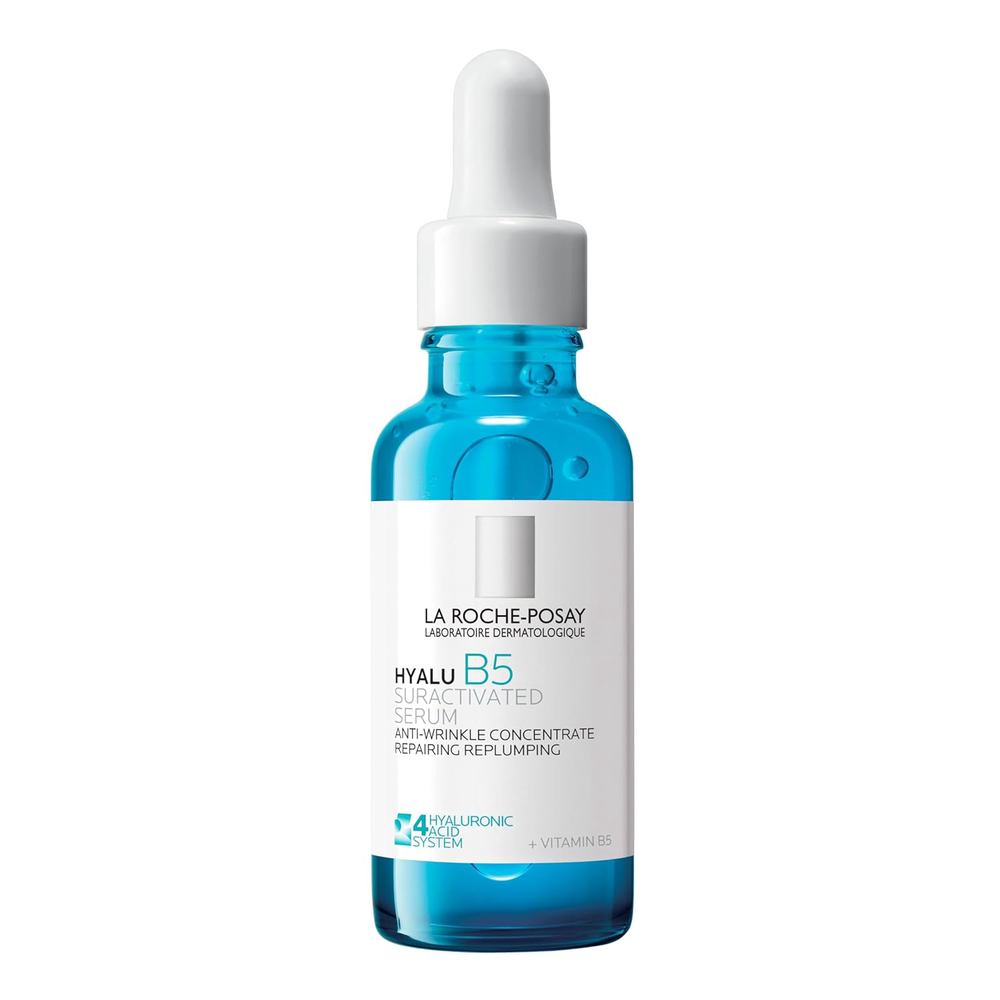
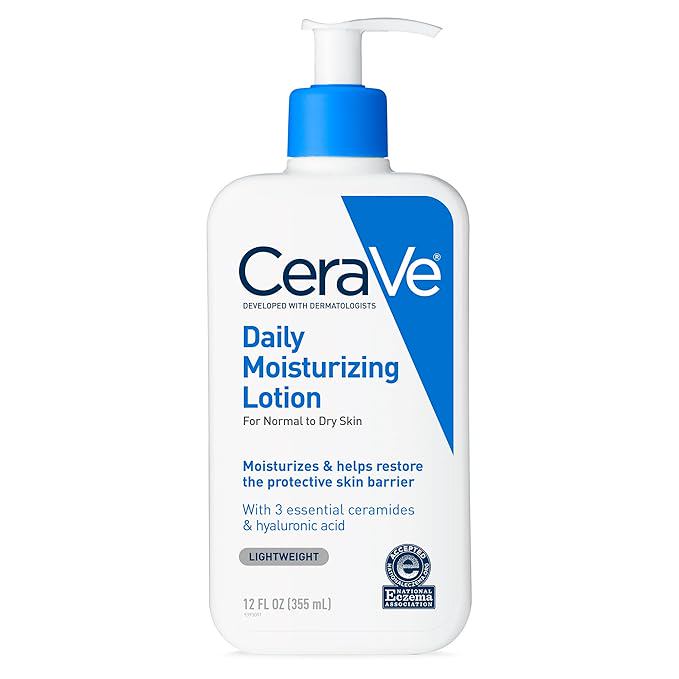
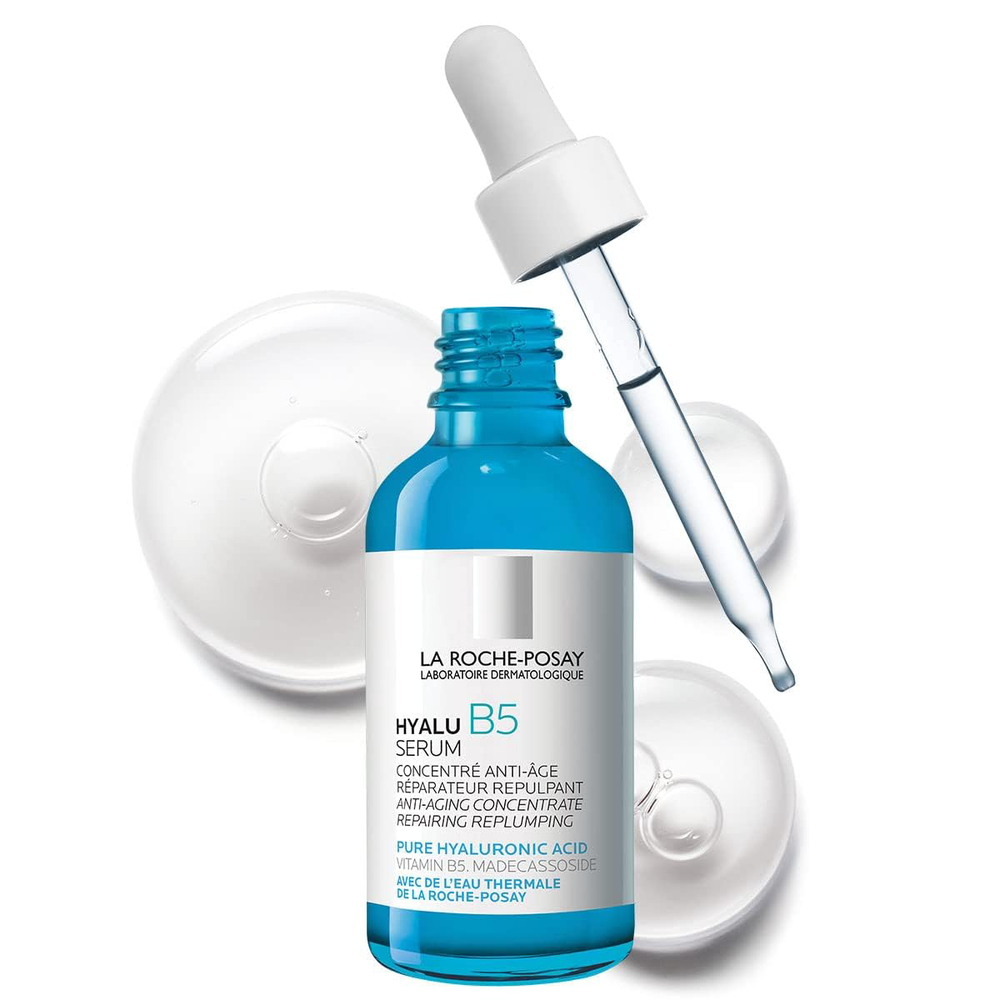
What you can do: Aim to drink water consistently throughout the day—not just when you feel thirsty. If plain water bores you, infuse it with cucumber, lemon, or mint. On the outside, use a moisturizer with humectants like hyaluronic acid or glycerin, which pull water into the skin. Apply it to a slightly damp face to lock in maximum hydration. Night creams containing ceramides or peptides can also support overnight repair and barrier strength.
4. Sleeping positions that compress the face
Side- and stomach-sleepers often wake up with temporary creases on the lower face. Over years, consistent pressure and friction in the same spots can degrade collagen and elastin locally, leading to permanent lines and sagging along the jawline and cheek area. These are often called “sleep wrinkles” and are distinct from expression lines.
What you can do: Ideally, try to train yourself to sleep on your back. If that’s not comfortable, invest in a silk or satin pillowcase—the smooth surface creates less friction and pull on the skin. Some people also use a small, rolled towel placed at the sides of the neck to discourage turning onto the face during the night. It’s a small change, but over months it can make a real difference.
Putting it together: a simple daily framework
You don’t need a ten-step routine or expensive treatments to support your jawline. The four controllable factors above boil down to these daily choices:
- Apply sunscreen to your face and neck every morning.
- Cut back on sugary drinks and snacks; reach for water first.
- Moisturize morning and night with a product that supports the skin barrier.
- Pay attention to your sleep posture and pillow fabric.
Make one of these changes this week. Next week, add another. Consistency matters more than perfection. Your skin is resilient, and giving it the right conditions to maintain its structure is one of the most empowering steps you can take for long-term firmness.