
You set the alarm for 5:30 a.m., pull on your training clothes, and head straight to the gym. No coffee. No food. Just you and the iron. For many new lifters, this feels efficient—even virtuous. But if you're doing morning strength training on an empty stomach, you may be undermining your own progress before your first rep.
Let's be clear: I'm not talking about intermittent fasting or a seasoned athlete's deliberate choice to train fasted. This is about the beginner habit of skipping pre-workout food simply because it's early, or because you think it will help you "burn more fat." The science tells a different story—one that matters a lot for someone still building strength, form, and consistency.
Why your muscles need fuel before a morning lift
After a night of sleep, your body's glycogen stores are partially depleted. Your liver has been busy maintaining blood sugar, but your muscles haven't received a fresh supply of carbohydrates in eight to twelve hours. Strength training demands explosive, anaerobic energy—and that energy comes primarily from glycogen. Without it, you're asking a nearly empty tank to perform heavy compound lifts.
For a beginner, the stakes are higher than for an experienced lifter. Your central nervous system is still learning to recruit muscle fibers efficiently. Fatigue sets in faster when fuel is low. Form breaks down sooner. And poor form on a deadlift or squat at six in the morning can lead to compensation patterns that take weeks to unlearn.
A small, strategic pre-workout meal isn't about indulgence—it's about giving your body the resources it needs to execute movements safely and effectively.
Does fasted training actually burn more fat?
This is the most common reason beginners skip food before morning strength training. The theory: training in a fasted state forces your body to tap into fat stores for energy. The reality is more nuanced—and less useful for a new lifter.
Short-term studies do show that fasted exercise increases fat oxidation during the workout itself. But the overall difference in body composition over weeks and months is negligible when total caloric intake and protein are controlled. What does change is your performance. Training fasted typically reduces the total volume you can handle—fewer reps, lighter loads, or both. Over time, this lower training volume translates to slower strength gains and less muscle development.
For a beginner whose main goal is to build a consistent habit and see measurable progress, sacrificing performance for a theoretical fat-burning edge is a losing trade. You'll likely feel weaker, recover more slowly, and struggle with the energy needed to focus on technique.
The real risks of lifting on empty
Beyond performance, there are practical concerns that directly affect your safety and adherence to training. When blood sugar dips too low during a workout, you may experience:
- Dizziness or lightheadedness during standing overhead presses or squats, increasing fall risk
- Unexplained fatigue that makes you quit early, reinforcing the idea that morning workouts are too hard
- Brain fog that compromises your ability to feel when a set is truly heavy versus when you just need fuel
- Nausea if you do eat—sometimes beginners skip food because they've eaten a large meal too close to training, which is a different problem altogether
None of these side effects help a beginner build confidence in the gym. In fact, they often lead to the exact outcome new lifters fear most: inconsistency.
What to eat before a morning strength session
This doesn't mean you need a full breakfast. For early morning training, the goal is light, fast-digesting fuel that settles well. Think of it as priming the pump, not filling the tank.
Look for a combination of easily digestible carbohydrates and a small amount of protein. The ideal window is 30 to 60 minutes before lifting. Your options might include:
- Half a banana with a spoonful of peanut butter
- A small sports drink or a few sips of fruit juice
- A slice of toast with a thin layer of jam
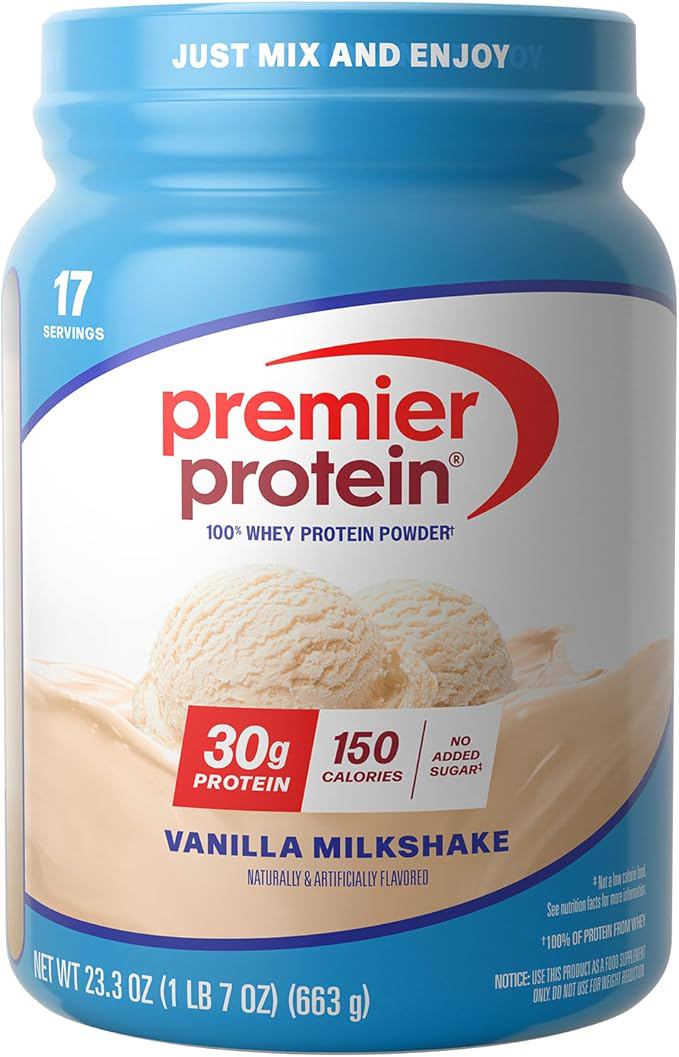
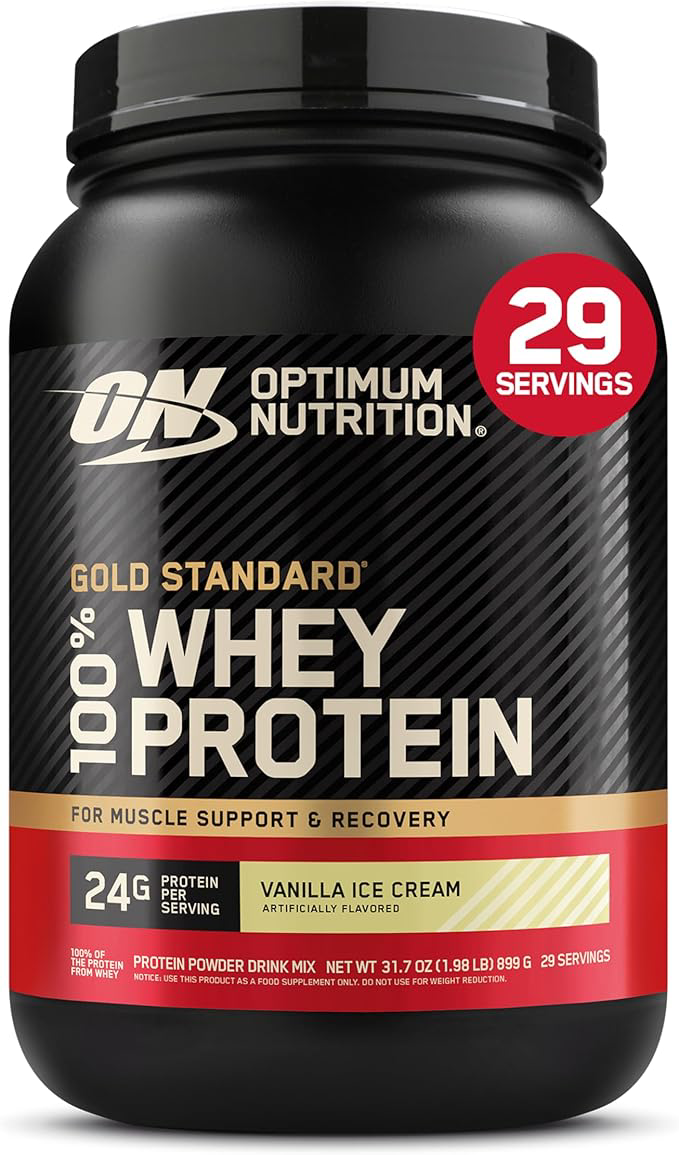
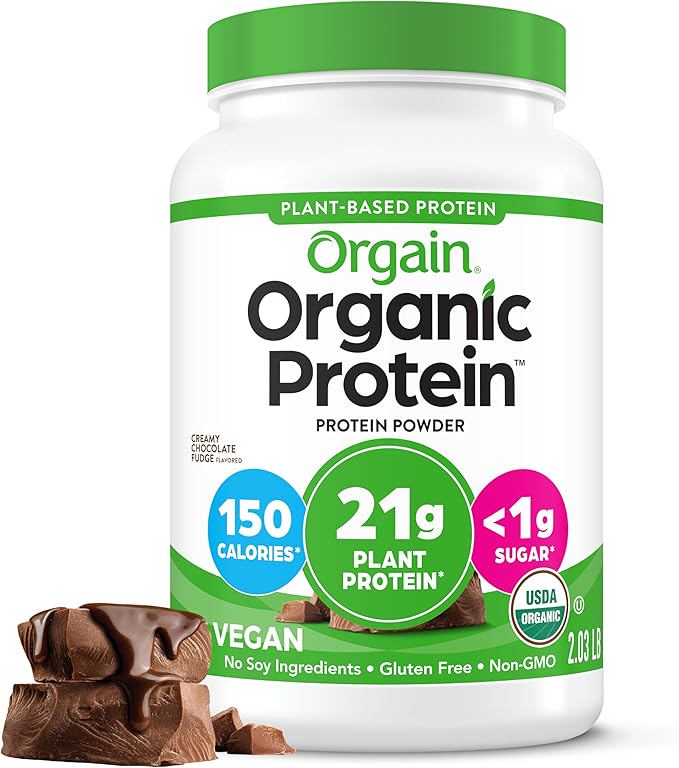
- A half-serving of a protein shake made with water
- A handful of dry cereal or a rice cake
The key is keeping portions small—around 100 to 200 calories total. Experiment during low-stakes sessions to find what sits well in your stomach. Once you find your go-to pre-workout snack, the morning routine becomes smoother, not harder.
How to build the habit of eating before morning training
Changing a habit as ingrained as skipping food requires a simple system. Start by setting out your pre-workout snack the night before, right next to your gym bag. When your alarm goes off, eat first, then change. This tiny sequence—eat, dress, go—removes the decision-making from a groggy brain.
If the idea of eating anything solid at 5 a.m. makes you queasy, start with liquids. A small glass of orange juice or a diluted sports drink requires no chewing and still provides the quick carbohydrate spike your muscles need. Over a few weeks, your body will adjust, and you can introduce more substantial options.
Consistency matters more than perfection. If you miss the snack one morning, don't stress—just eat something small as soon as you realize, even if that means having a banana in the locker room. The goal is progress, not an all-or-nothing approach.
Disclaimer: This article is for general educational purposes and does not constitute medical or nutritional advice. Individual energy needs vary; consult a qualified healthcare provider before making changes to your pre-workout nutrition routine.