
If you're navigating life with acne-prone skin, you know the routine: the careful product selection, the hopeful application, the sometimes-disappointing results. Often, the frustration isn't a lack of effort, but a few common, well-intentioned missteps that can undermine your entire regimen. The path to calmer skin isn't about doing more, but about doing the right things—and, crucially, stopping the wrong ones.
These mistakes aren't about negligence; they're usually born from outdated advice, marketing hype, or simply not knowing how your skin's biology responds. Let's walk through the five most frequent errors people make in their acne-prone skin care routines, and how a few mindful adjustments can set the stage for real improvement.
Mistake 1: Over-cleansing and using harsh scrubs
The instinct to 'scrub away' acne is powerful. It feels proactive. You imagine you're deep-cleaning pores and banishing oil. In reality, this approach often backfires spectacularly. Using abrasive physical scrubs, rough washcloths, or cleansing brushes on inflamed acne can cause micro-tears in the skin, spreading bacteria and worsening inflammation. It's like taking sandpaper to a wound.
More subtly, washing your face too frequently or with overly stripping cleansers is a common pitfall. Acne-prone skin is often oily, leading to the belief it needs constant degreasing. However, when you strip away all your skin's natural oils, it can panic and produce even more sebum to compensate—a rebound effect that clogs pores further.
Think of cleansing as a gentle reset, not a punishment for your skin.
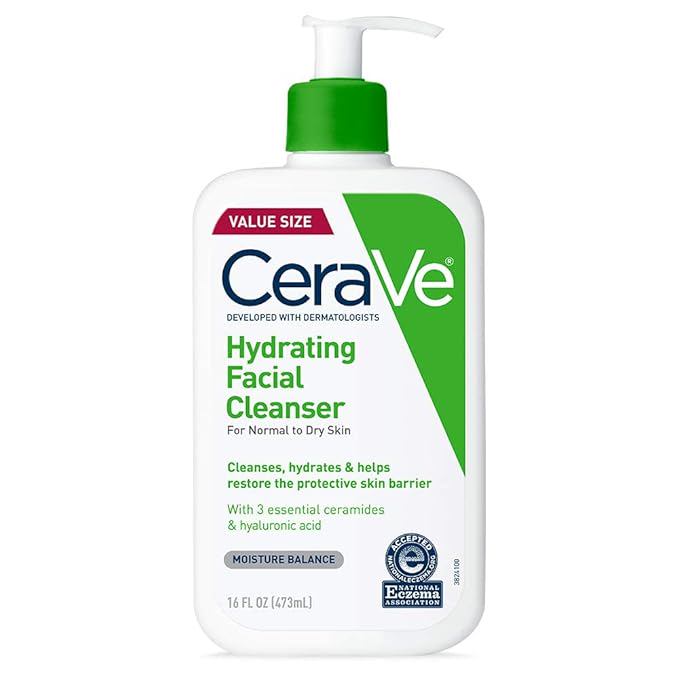
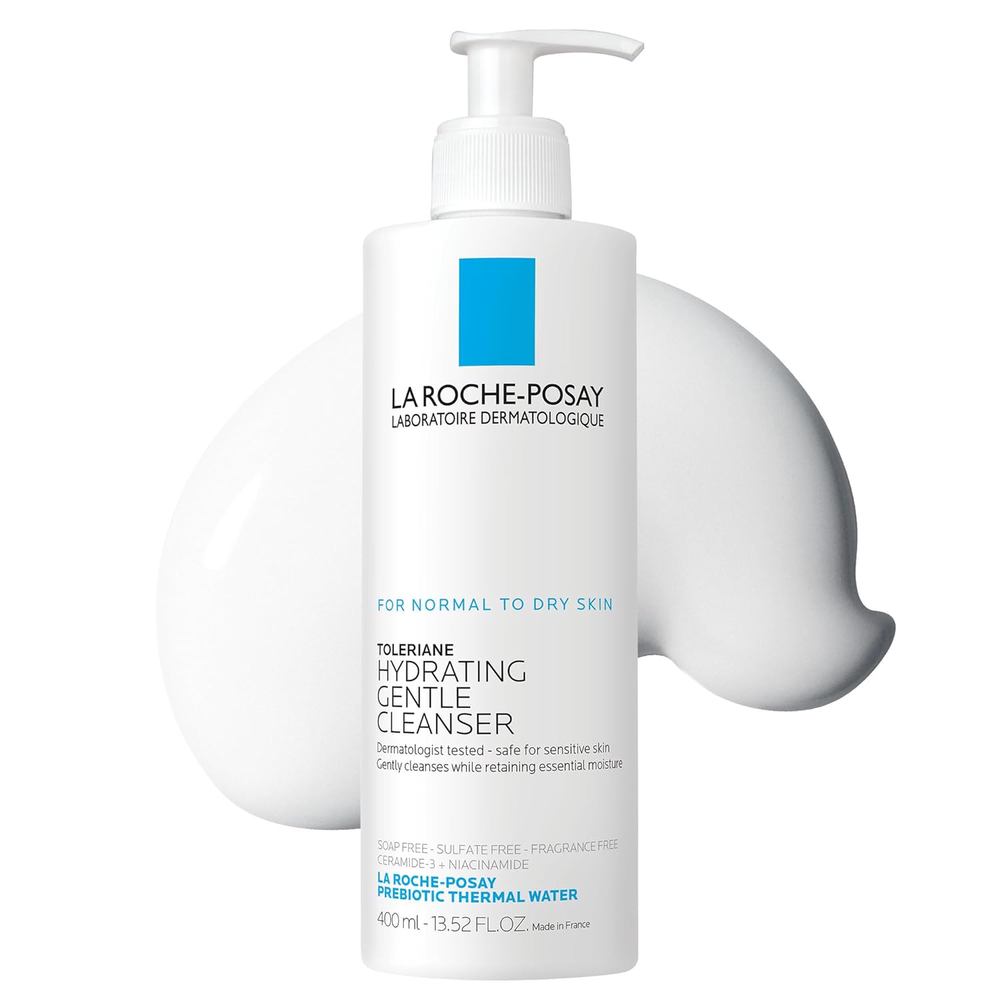
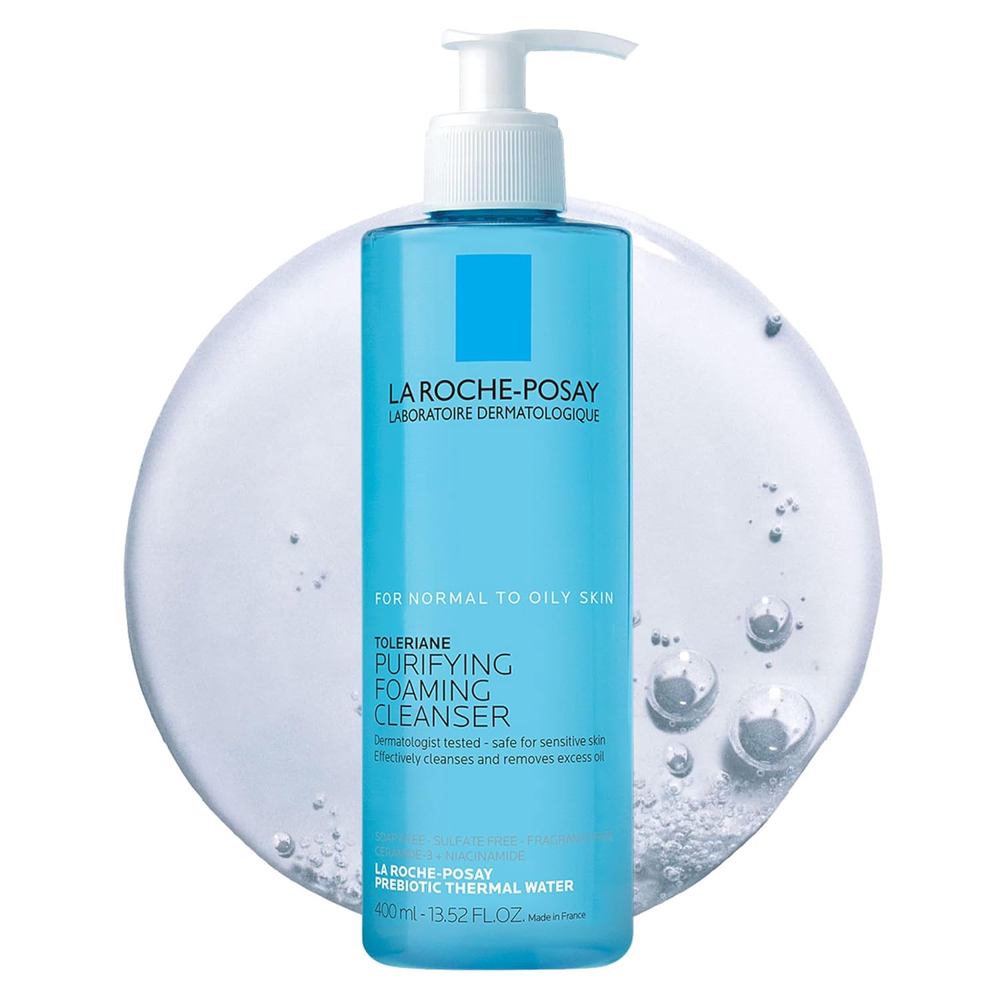
Instead, opt for a gentle, non-abrasive cleanser, ideally one labeled 'non-comedogenic' (meaning it's formulated not to clog pores). Wash no more than twice daily, using lukewarm water and your fingertips in soft, circular motions. Pat your skin dry; never rub. This preserves your skin's essential barrier, the very defense system that helps keep irritation and breakouts at bay.
Mistake 2: Skipping moisturizer because your skin feels oily
This is perhaps the most persistent myth in acne care: if your skin is oily, you don't need moisture. It seems logical, but it's fundamentally flawed. Acne treatments—like salicylic acid, benzoyl peroxide, and retinoids—are designed to work, and they often work by drying and exfoliating. Using them without replenishing hydration can lead to a damaged, dehydrated, and irritated skin barrier.
A compromised barrier is more vulnerable to environmental stressors, loses water more easily, and can become inflamed. This inflammation can trigger more breakouts, creating a vicious cycle. Your skin may overproduce oil in a desperate attempt to lubricate its parched surface, making you feel greasier, not less.
The solution is to use a lightweight, oil-free, and non-comedogenic moisturizer every time you cleanse. Look for ingredients like hyaluronic acid, which draws water into the skin without adding oil, or niacinamide, which can help regulate sebum production while soothing redness. Hydrated skin is resilient skin, better able to tolerate effective treatments without retaliating with more oil or irritation.
Mistake 3: Overloading on active ingredients all at once
In the quest for clear skin, it's tempting to throw every recommended ingredient at the problem. You might use a salicylic acid cleanser, a benzoyl peroxide spot treatment, a glycolic acid toner, and a retinoid serum—all in one night. This 'more is more' approach is a fast track to a damaged moisture barrier, resulting in stinging, redness, peeling, and often, worse acne. This state is sometimes called 'over-exfoliation' or 'skin burnout.'
Active ingredients need to be introduced slowly and strategically. Your skin needs time to adapt. Start with one treatment ingredient that targets your primary concern. If you have clogged pores (blackheads and whiteheads), a salicylic acid product is a good starting point. For inflamed red pimples, consider benzoyl peroxide. Use it consistently for several weeks before even considering adding another active.
When you do incorporate a second product, don't use them simultaneously. You might alternate nights (e.g., retinoid on Monday, Wednesday, Friday; a calming serum on other nights) or use one in the morning and a different one at night, if they are compatible. Listen to your skin. Any persistent burning, tightness, or unusual dryness is a sign to pull back and simplify.
Mistake 4: Not giving products enough time to work
We live in an era of instant results, but skin cell turnover operates on a biological clock, not an internet connection. It takes roughly 28 to 40 days for a new skin cell to form, rise to the surface, and shed. Therefore, any product aimed at changing skin behavior—like regulating oil, unclogging pores, or healing acne—needs a minimum of 4 to 6 weeks of consistent use to show meaningful results.
Switching your routine every week or two in search of a 'miracle' prevents any product from completing a full skin cycle. You end up in a perpetual state of trial and irritation without ever seeing what could have worked. Patience is a non-negotiable part of acne care. Mark your calendar when you start a new core product, and commit to using it as directed for a full month before you assess its efficacy.
Mistake 5: Neglecting your pillowcases, phone, and hands
Your skincare routine lasts 10 minutes. Your skin is exposed to other elements for the remaining 23 hours and 50 minutes. Overlooking these daily touchpoints can sabotage even the most perfect regimen.
- Pillowcases: They collect oil, bacteria, and residue from hair products night after night. This gets transferred back onto your skin, potentially clogging pores. Aim to change your pillowcase at least once a week, or more often if you're prone to breakouts along your cheeks and jawline.
- Phone screens: Think about where your phone has been—in your hand, on surfaces, in your bag. It's a hotspot for bacteria. Pressing it against your cheek creates friction and traps oil and germs. Use speakerphone or headphones when possible, and regularly wipe your screen with a disinfectant cloth.
- Your hands: Constantly touching, picking, or resting your chin on your hands transfers dirt and bacteria and can mechanically irritate existing pimples, increasing inflammation and the risk of scarring. Make a conscious effort to keep your hands away from your face.
The foundation of a better routine
Correcting these mistakes builds a stable foundation. From there, you can confidently explore treatments. Remember, consistency with a gentle, simple routine is almost always more effective than a complex, aggressive, and ever-changing one. If breakouts persist or are severe, consulting a dermatologist remains the gold standard. They can provide personalized guidance and prescription options that address your skin's unique needs, building upon the solid base of a mistake-free routine you've already established.