Meal prep often breaks down at the freezer door. Cooks promise themselves they'll batch-cook smartly, only to pull out a soggy, sad portion of vegetables and overcooked protein a week later. The problem isn't the freezer—it's the method. A structured approach to one-pan cooking changes everything, and it requires only three deliberate steps.
This system works because it respects how different ingredients react to cold and heat. Starches, vegetables, and proteins each have their own freezing and reheating sweet spots. When you understand these, you can build a full meal on a single sheet pan or skillet that tastes as good reheated as it did fresh.
Step 1: Choose Your Freezer-Friendly Framework
Not every one-pan recipe is built for the freezer. The first step is to pick a base that holds up well after thawing. Think sturdy vegetables like broccoli, cauliflower, bell peppers, and sweet potatoes. Avoid watery vegetables like zucchini or cucumber unless you plan to add them fresh after reheating.
For protein, ground meats and firm fish like salmon or cod freeze better than delicate white fish fillets. Chicken thighs outperform chicken breasts because they retain moisture through the freeze-thaw cycle. Beans and lentils are excellent plant-based options that maintain their texture.
Starches are the trickiest. Par-cooked potatoes, quinoa, and farro freeze well. Fully cooked pasta or rice can become mushy unless you undercook them slightly—about one minute less than the package recommends—so they finish cooking during reheating.
Step 2: Assemble With Intention
How you layer the pan matters as much as what you put on it. Arrange ingredients so they cook evenly and don't release excess moisture during freezing. This means grouping ingredients by density and moisture content.
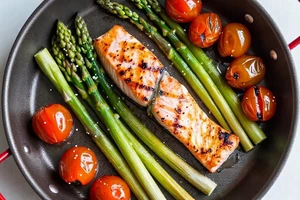
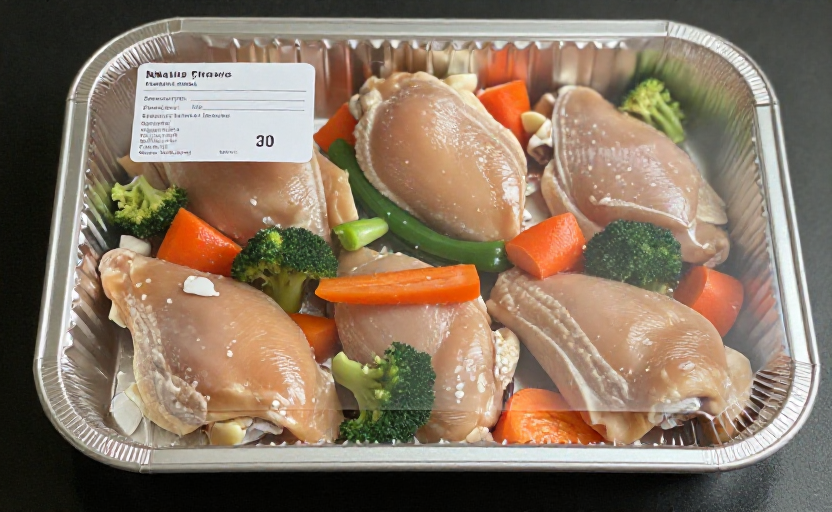
Start by spreading your heartiest vegetables on the pan first. Dense vegetables like carrots, potatoes, and Brussels sprouts need direct heat. Next, add your protein. If you're using chicken or fish, tuck it between the vegetables so it isn't directly on the pan's surface, which can cause it to dry out. Finally, add any quick-cooking items like cherry tomatoes or asparagus on top—they'll steam rather than burn.
Season generously before freezing. Flavors mellow during the freeze, so a little extra salt, acid, or spice helps the final dish taste vibrant.
Let the assembled pan cool completely at room temperature before freezing. This prevents large ice crystals from forming and keeps the texture intact. Once cool, wrap the pan tightly in two layers—first a layer of plastic wrap pressed directly against the food, then a layer of heavy-duty foil or a freezer bag.
Step 3: Reheat Without Reheating the Sadness
Reheating is where most freezer meals fail. The goal is to restore moisture without turning the meal into a steam bath. The best method depends on your pan type and the meal composition.
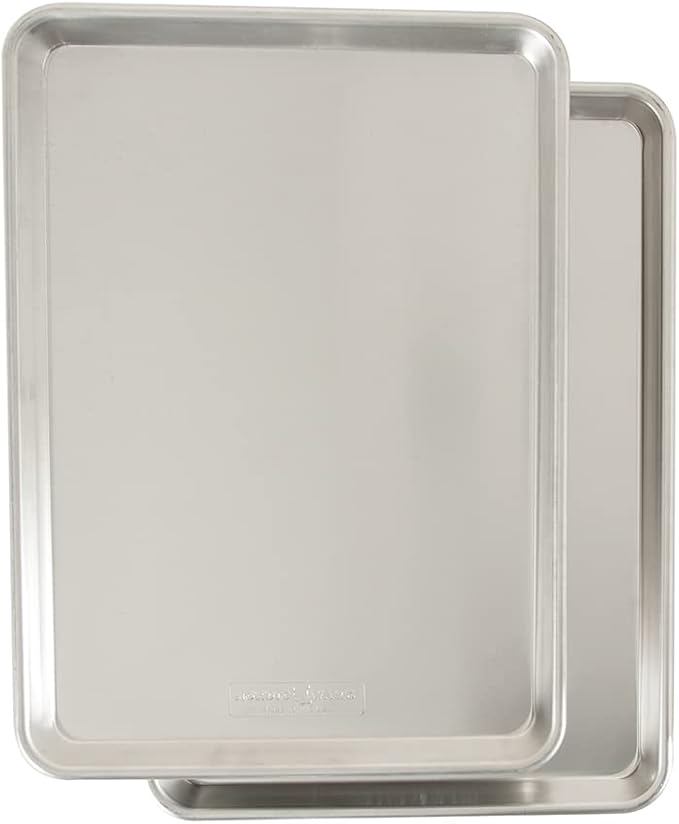
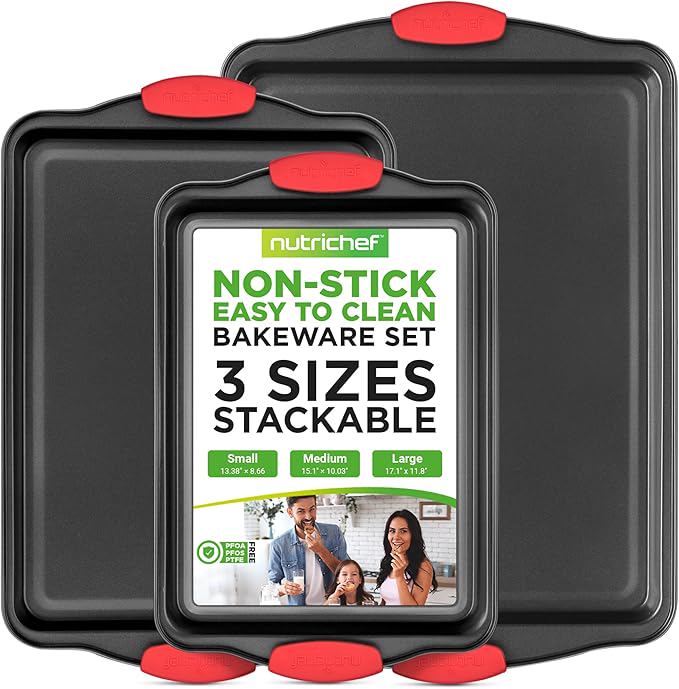
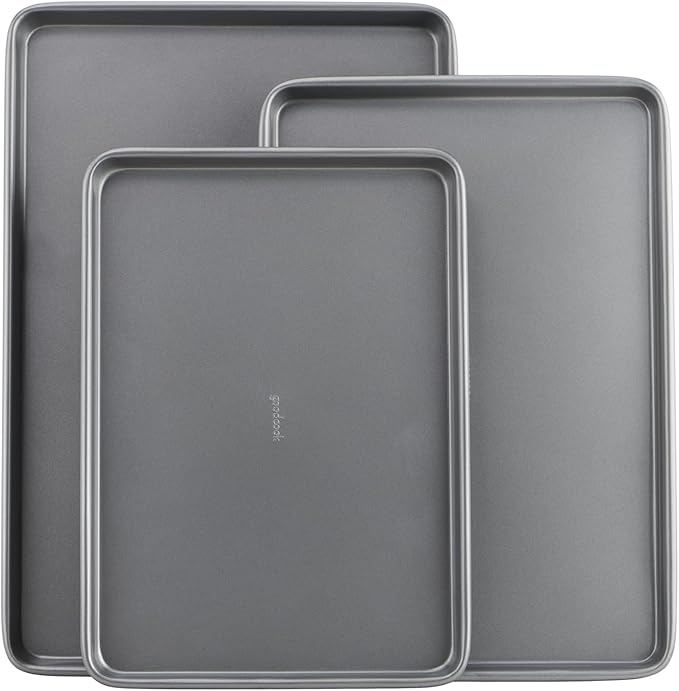
If you used a sheet pan, preheat your oven to 375°F. Remove the pan from the freezer, unwrap it, and place it directly into the oven while it's still cold. This gradual temperature rise helps ingredients thaw evenly. Add a splash of water or broth to the pan's edge before covering loosely with foil. Bake for 15 to 20 minutes, then remove the foil and bake for another 10 minutes to crisp the edges.
For skillet meals, the stovetop works best. Add a tablespoon of oil or butter to the skillet, then add the frozen block of food. Break it apart gently with a spatula as it heats. Cover and cook on medium-low for 10 to 12 minutes, stirring occasionally. Finish with a quick high-heat sear to restore any browned bits.
If you're using a microwave, which is the least ideal but fastest option, cover the dish with a damp paper towel. Microwave in two-minute intervals, stirring or rotating between each, until the internal temperature reaches 165°F. Let it rest for one minute before serving.
What Freezes Well and What Doesn't
Even within a single one-pan meal, some swaps matter more than others. Here is a quick reference:
- Freezes well: Root vegetables, winter squash, broccoli, cauliflower, bell peppers, onions, mushrooms, firm tofu, chicken thighs, ground turkey, salmon, cod, chickpeas, lentils, farro, quinoa, par-cooked potatoes.
- Freezes poorly: Zucchini, cucumber, lettuce, fresh tomatoes, soft cheeses like ricotta or fresh mozzarella, delicate white fish, fully cooked pasta, rice that wasn't undercooked, egg-based sauces.
Tweaks for Big-Batch Success
If you're cooking for a busy week, double or triple the recipe and freeze individual portions. Use a muffin tin or silicone tray to portion out cooked grains or roasted vegetables. Once frozen solid, pop them into a labeled freezer bag. This way you can pull out exactly what you need without defrosting the entire batch.
Label everything with the date and a brief description. A sharpie and masking tape work fine, but a grease pencil on foil is even more durable. Most freezer meals stay at peak quality for two to three months, though they remain safe to eat much longer.
Why This Method Works
Most one-pan recipes that fail in the freezer do so because they were designed for immediate eating. The 3-step method adapts the recipe for the freeze-reheat cycle from the beginning. You choose ingredients that hold structure, you assemble them in a way that controls moisture, and you reheat deliberately rather than hoping for the best.
The result is a meal that tastes intentional—not like leftovers that got frozen out of desperation. With practice, you can batch-cook an entire week's worth of dinners in two hours and never serve a sad plate of food again.