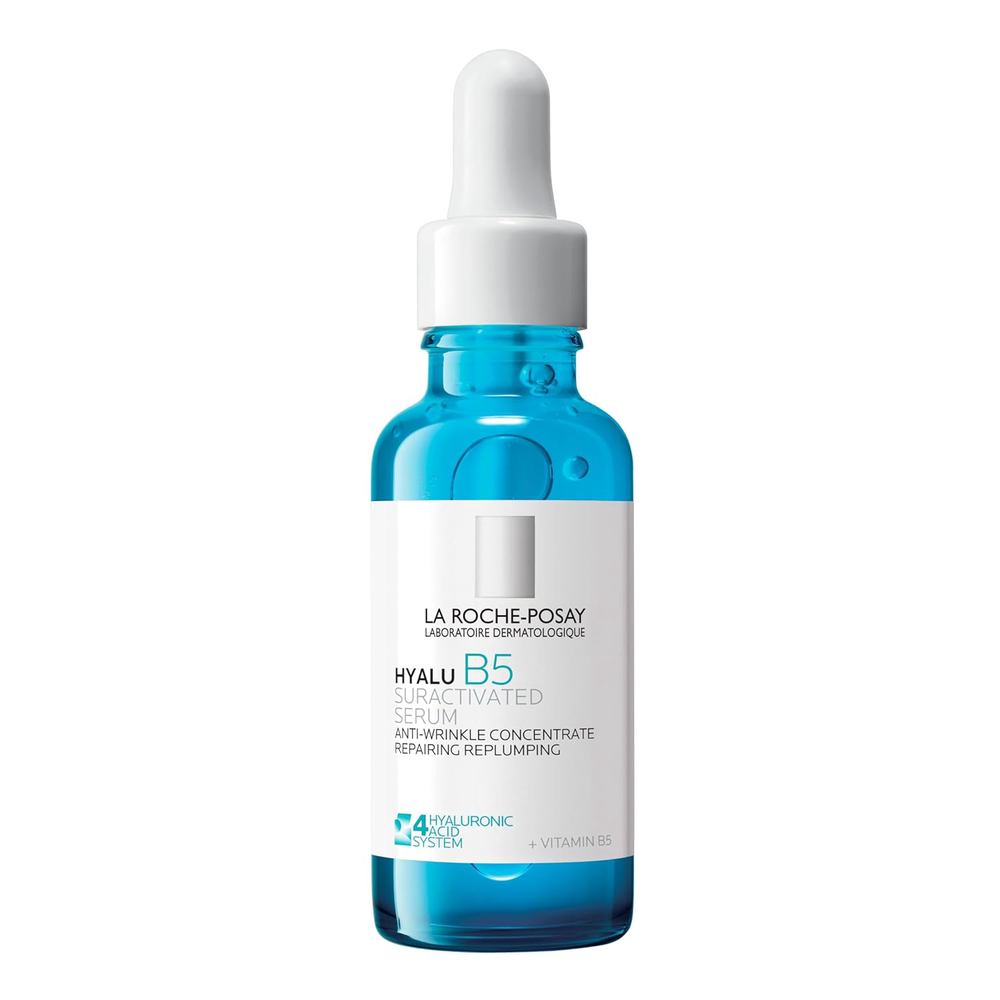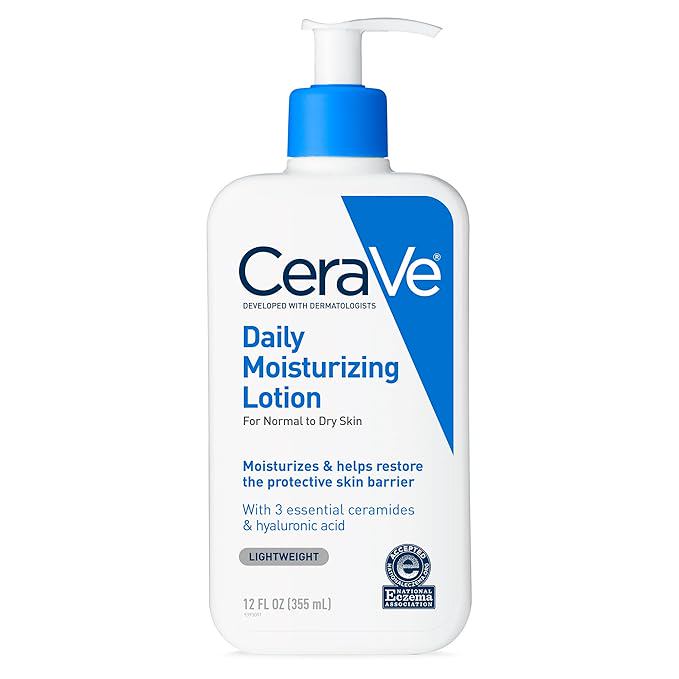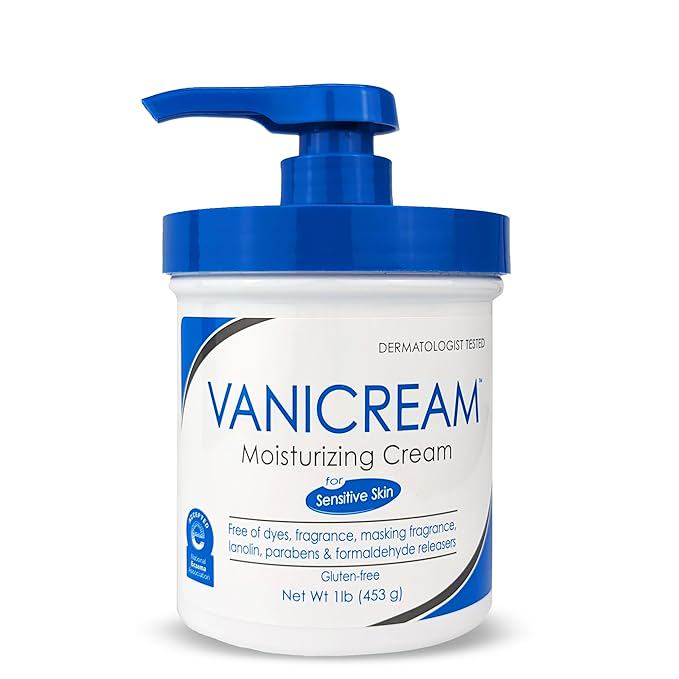

Combination skin can feel like a daily negotiation. One moment your T-zone is shining, the next your cheeks feel tight and thirsty. This delicate state is a careful balance, and it’s surprisingly easy to tip the scales with two common, well-intentioned habits. Understanding these disruptions is the first step toward a more harmonious complexion.
The goal isn’t to wage war on different zones of your face, but to cultivate practices that support its unique needs. Often, the very routines meant to help can inadvertently strip or overwhelm, leaving skin confused and reactive. Let’s explore the two daily habits most likely to throw your combination skin off its game.
Habit 1: Over-Cleansing or Using Stripping Formulas
It’s a natural instinct: when the oily zones flare up, the impulse is to scrub them clean. This often leads to using cleansers that are too harsh or washing too frequently. While this might give an immediate feeling of freshness, it’s a major disruptor for combination skin.
These aggressive cleansers don’t discriminate. They efficiently remove excess sebum from your forehead, nose, and chin, but they also strip away the essential lipids and moisture from your drier cheeks and jawline. This compromises the skin’s barrier—its protective outer layer—across your entire face.
The result is a paradox: your oily zones may actually produce more oil to compensate for the sudden dryness, while your already-dry areas become tighter, flakier, and more sensitive.
Look for gentle, pH-balanced cleansers—creamy or milky formulas often work well. The right cleanser should leave your skin feeling clean but not squeaky-tight or stripped. For many, cleansing once in the evening and simply rinsing with water in the morning is a gentler, more balancing approach.
Habit 2: Applying the Same Product to Your Entire Face
Treating your entire face as a single, uniform canvas is the second major habit that disrupts balance. Combination skin, by definition, has different needs in different areas. Applying a heavy, rich moisturizer meant for dry skin all over can congest your T-zone. Conversely, using a light, oil-free gel everywhere might not provide enough support for your drier patches.
The key is strategic application. This doesn’t mean you need a cabinet full of ten different products. It means learning to use one or two products intelligently.
- For moisturizers: Apply a lighter, balancing formula all over. Then, take a tiny extra amount and press it only into the drier areas (like cheeks) for added hydration.
- For treatments: If you use a clay mask to manage shine, apply it only to your T-zone, not your entire face. Similarly, a more hydrating mask can be focused on the cheeks.
This simple act of zoning respects your skin’s geography and prevents you from either starving or suffocating parts of your complexion.
Supporting Your Skin’s Natural Barrier
Both disruptive habits ultimately weaken the skin’s barrier. A healthy barrier is what keeps moisture in and irritants out, and it’s fundamental for balanced skin. You can support it by incorporating ingredients that mimic and replenish its natural components.
Look for products containing ceramides, fatty acids, and cholesterol—these are the building blocks of your skin’s own protective layer. A moisturizer with these ingredients helps fortify all areas of combination skin, making it more resilient to both oiliness and dryness. Think of it as reinforcing the foundation, so the structure is less prone to extremes.
Listening to Your Skin’s Daily Signals
Finally, cultivate a habit of observation. Your skin’s needs can change with the seasons, your cycle, stress, and diet. A product that worked in humid summer might be too light in dry winter. The goal is flexibility. If your cheeks feel particularly parched one day, be generous with hydration there. If your T-zone is especially reactive, take a minimalist approach and avoid heavy products in that area.
Balance is not a fixed destination but a responsive practice. By avoiding the one-size-fits-all approach of over-cleansing and uniform product application, you create space for your combination skin to find its own, healthier equilibrium.