
For those with sensitive, oily skin, the daily quest for a calm, clear complexion can feel like a delicate balancing act. You’re managing shine, avoiding breakouts, and trying not to provoke redness or irritation. Often, the focus is on what products to add—salicylic acid, niacinamide, gentle cleansers. But sometimes, the issue isn't what you’re missing; it’s what you’re doing, perhaps without even realizing it. Two common daily habits, often performed with the best intentions, can quietly undermine your skin’s balance and make sensitivity and oiliness worse.
Habit 1: Over-Cleansing and Using Harsh Cleansers
It makes intuitive sense: oily skin feels greasy, so you wash it thoroughly to get rid of the oil. The squeaky-clean feeling after a vigorous scrub can seem like a victory. But this habit is a primary agitator for sensitive, oily skin.
Your skin’s surface is protected by a thin, essential layer called the acid mantle—a slightly acidic film made of sebum (your skin’s natural oil) and sweat. This mantle is your first line of defense against environmental pollutants, bacteria, and moisture loss. When you cleanse too frequently or with harsh, stripping agents (like high-pH soaps, potent sulfates, or abrasive physical scrubs), you don’t just remove excess oil. You disrupt this protective barrier.
Stripping the skin signals your oil glands to produce even more oil to compensate, leading to a shinier, oilier complexion.
The result is a frustrating cycle: more oil production, followed by more aggressive cleansing, which then further compromises your skin barrier. A weakened barrier means increased sensitivity—skin becomes more reactive, prone to redness, stinging, and dehydration. Ironically, the skin may then feel both oily and tight or flaky at the same time.
How to adjust this habit
- Cleanse gently, twice a day maximum. Use a lukewarm water temperature, not hot.
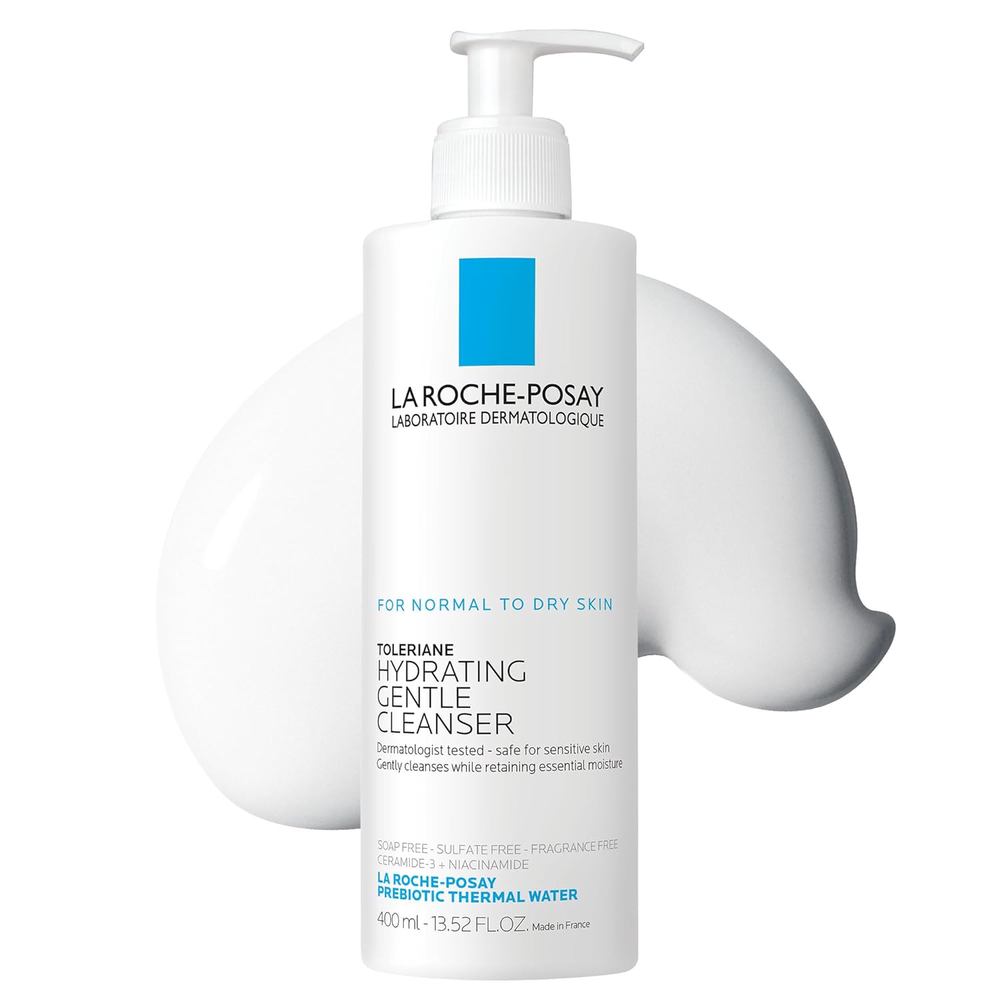
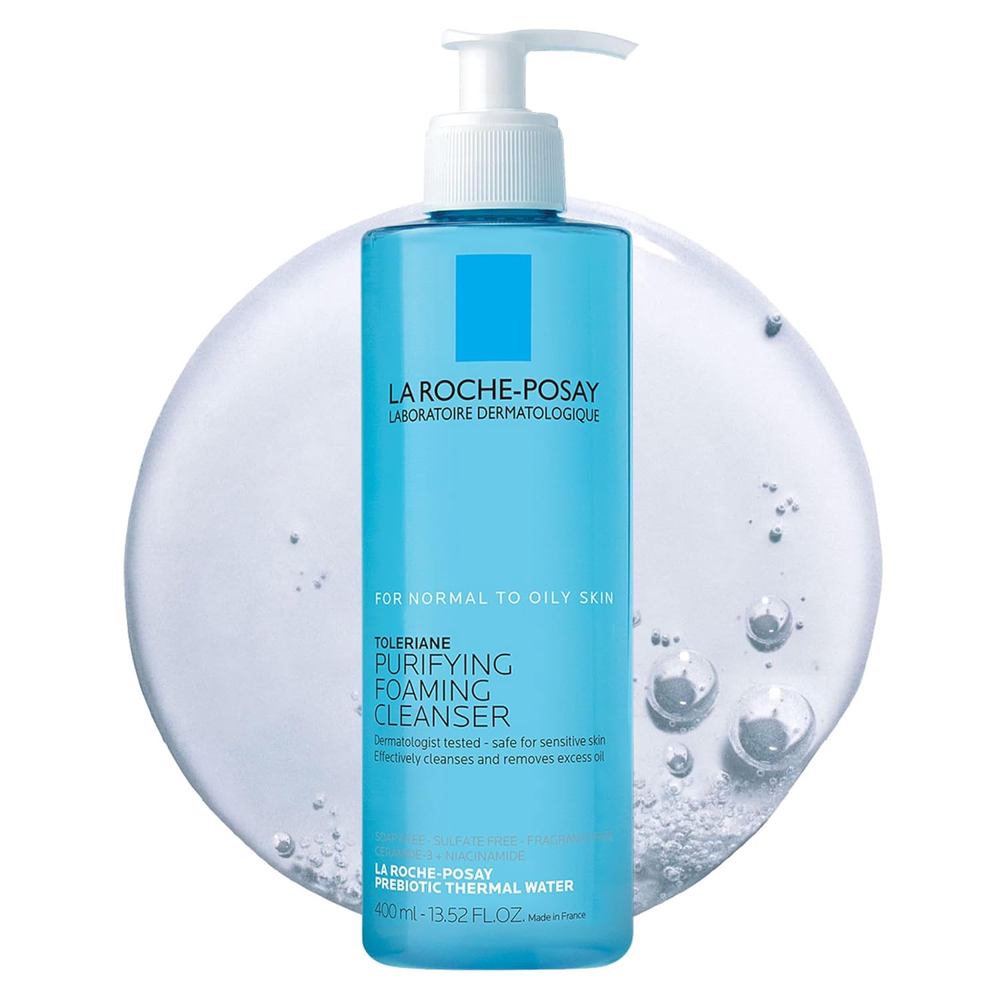
- Choose a gentle, pH-balanced cleanser. Look for formulations described as “non-foaming” gels, milks, or creams designed for sensitive or combination skin.
- Pat dry, don’t rub. Rubbing with a towel creates friction that can irritate sensitive skin.
- If you wear makeup or sunscreen, a double cleanse with an oil-based balm first, followed by your gentle cleanser, can be effective without being harsh.
Habit 2: Skipping Moisturizer or Using the Wrong Type
This is a deeply ingrained myth for many with oily skin: “My skin produces its own moisture, so I don’t need moisturizer.” Or, the related mistake, using heavy, occlusive creams meant for very dry skin in an attempt to “calm” sensitivity. Both approaches can worsen your skin’s condition.
When you skip moisturizer after cleansing, you leave your skin vulnerable. That cleansing process, even when gentle, temporarily disrupts your barrier. Without a moisturizer to help support and replenish it, your skin works harder to restore balance, often by pumping out more oil. Dehydrated skin can also become more sensitive and inflamed.
On the other hand, using a moisturizer that’s too rich or greasy—think thick body butters or heavy creams loaded with oils—can suffocate oily skin. These products sit on top of the skin, potentially clogging pores (comedogenic) and creating a greasy film that traps heat and sebum, leading to congestion and breakouts.
How to adjust this habit
- Never skip moisturizer. Hydration is not the enemy; barrier support is key.
- Opt for lightweight, non-comedogenic formulas. Look for terms like “oil-free,” “gel-cream,” or “water-based.”
- Seek out ingredients that hydrate without heaviness. Hyaluronic acid, glycerin, and squalane are excellent for attracting and holding water in the skin without a greasy feel.
- Use occlusives strategically. Ingredients like dimethicone or light plant oils can be beneficial in small amounts to seal in moisture, but they shouldn’t be the main feature of your daily moisturizer if you’re oily.
Why These Two Habits Are So Interconnected
These habits form a damaging feedback loop. Harsh cleansing (Habit 1) strips the barrier, making skin oily and sensitive. Then, either skipping moisturizer further dehydrates and stresses the skin, or using a heavy one clogs it. The skin never gets the chance to reset to a balanced, calm state. Breaking just one of these cycles can help, but addressing both together is where you’ll see the most significant improvement in reducing both sensitivity and excessive shine.
Building a Supportive Routine
Moving away from these habits means adopting a consistent, gentle approach. Think of it as skincare minimalism focused on barrier health. A simple routine of a gentle cleanser, a lightweight moisturizer, and a broad-spectrum sunscreen (non-comedogenic and for sensitive skin) is a powerful foundation. You can later introduce targeted treatments, like a niacinamide serum to help regulate oil, but always patch-test and introduce one new product at a time to monitor your sensitive skin’s response.
Listen to your skin. If it feels tight, stings with product application, or looks red and shiny shortly after washing, it’s telling you the current approach is too aggressive. Switching to a gentler cleansing and hydrating rhythm allows your skin’s natural resilience to rebuild, leading to a less reactive, more balanced complexion over time.