Dry skin can feel like a constant, low-grade annoyance. You moisturize, you drink water, yet that tight, flaky feeling persists. Sometimes, the very habits we think are helping—or that are just part of our daily routine—can be quietly undermining our skin’s ability to hold onto moisture. Let’s look at two common daily practices that might be making your dry skin worse, and how to adjust them gently.
Over-Cleansing and Hot Water
It seems logical: to feel clean, your skin should feel squeaky. But that tight, stripped sensation after washing is a warning sign, not a goal. Your skin’s surface is protected by a thin, delicate layer of lipids and natural oils known as the acid mantle or moisture barrier. This barrier is essential for locking in hydration and keeping irritants out.
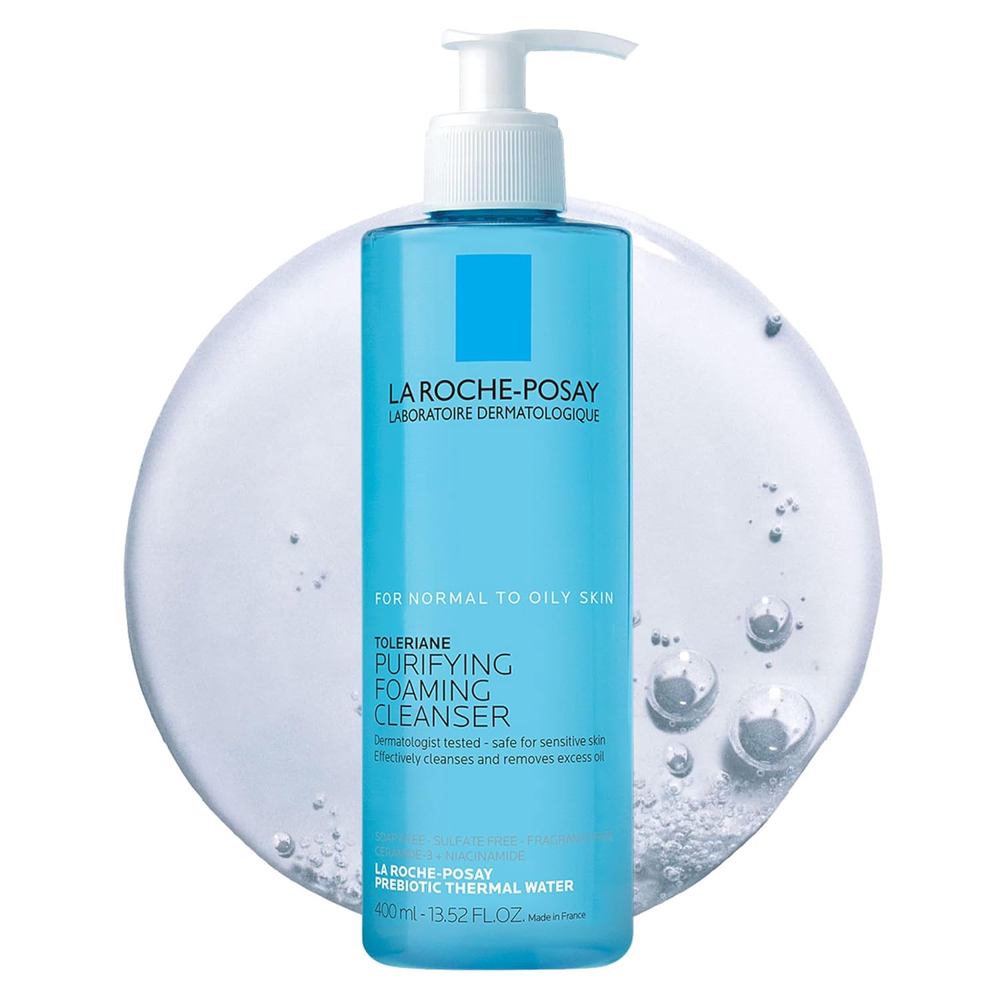
One of the most common habits that damages this barrier is using harsh, foaming cleansers, especially when paired with hot water. The combination can dissolve your skin’s natural oils far more effectively than needed. Long, hot showers or washing your face with steaming water might feel soothing in the moment, but they can leave your skin defenseless and parched.
Think of your skin’s moisture barrier like the mortar between bricks. Over-washing with harsh products is like scrubbing away that mortar, leaving gaps where water can easily escape.
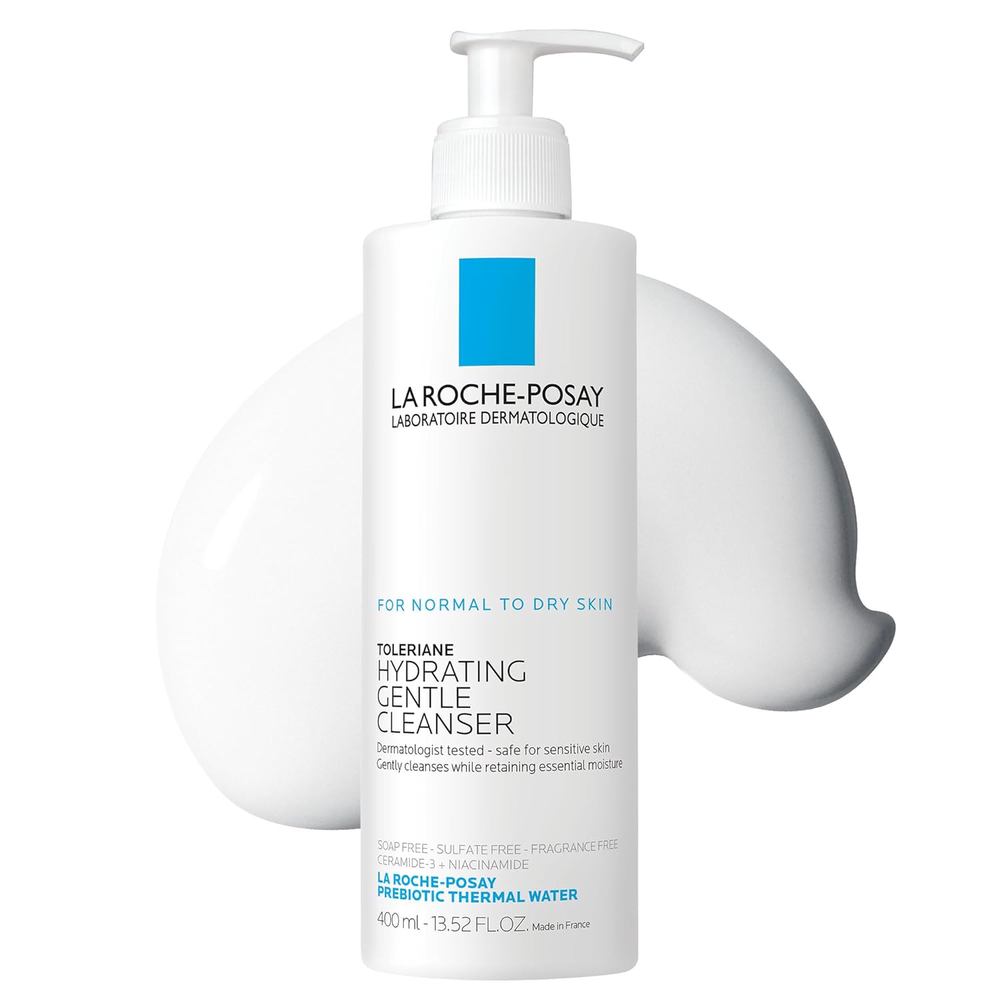
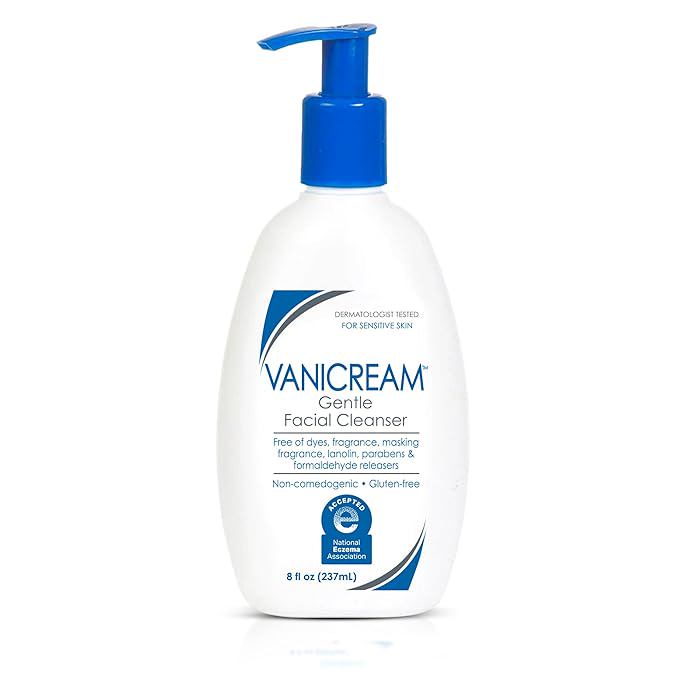
Instead, opt for a gentle, cream- or lotion-based cleanser. Look for terms like “hydrating,” “non-foaming,” or “for sensitive skin.” Make lukewarm water your new standard for both face and body washing. Keep showers efficient, and pat your skin dry gently with a towel instead of rubbing.
Inconsistent or Inappropriate Moisturizing
Moisturizing is non-negotiable for dry skin, but the timing, frequency, and formula matter immensely. A sporadic routine or using a lotion that doesn’t suit your skin’s needs can leave you chasing hydration all day.
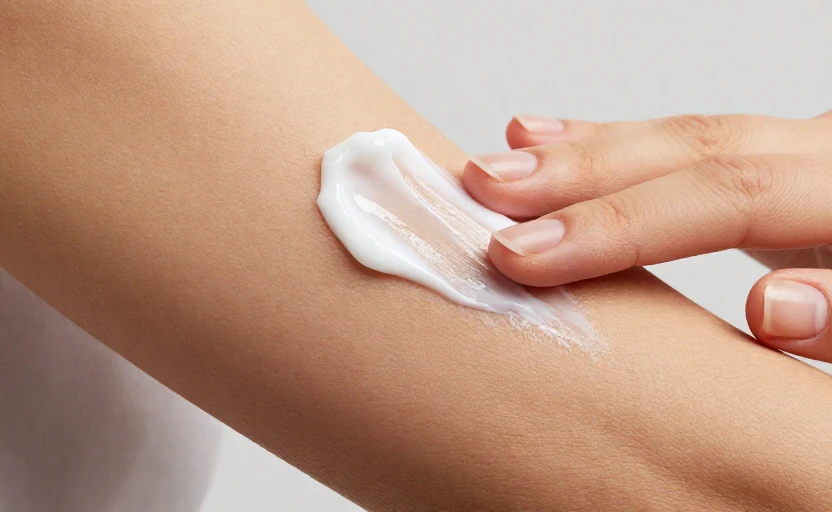
The most critical time to apply moisturizer is immediately after bathing or washing your face, while your skin is still slightly damp. This simple step traps the water that’s already on your skin, sealing it in. Waiting until your skin is completely dry means much of that hydration has already evaporated, and you’re starting from a deficit.
The type of moisturizer is equally important. Lightweight gels or lotions that absorb quickly might feel nice, but for persistently dry skin, they often don’t provide enough occlusive power—that is, they don’t create a strong enough seal over the skin. You need ingredients that both attract water (humectants, like glycerin or hyaluronic acid) and lock it in (occlusives, like shea butter, ceramides, or dimethicone).
An inconsistent routine sends mixed signals to your skin. Applying a rich cream one day and skipping the next doesn’t allow your barrier to repair and strengthen consistently. Think of it as a daily commitment to reinforcement.
Supporting Your Skin’s Recovery
Beyond adjusting these two key habits, consider your environment. Indoor heating and air conditioning can sap moisture from the air and your skin. A simple humidifier in your bedroom can make a noticeable difference. Also, be mindful of fabrics; rough, scratchy materials like wool can irritate dry skin, while soft, breathable cotton is often a kinder choice.
Remember, skin health is a reflection of overall well-being. Stress and poor sleep can impair your skin’s ability to repair itself. While topical care is crucial, supporting your body with adequate hydration, balanced nutrition, and rest provides the foundation your skin needs to thrive.
If your dry skin is severe, itchy, or inflamed despite careful adjustments to your routine, it’s wise to consult a dermatologist. They can help rule out conditions like eczema or psoriasis and provide personalized guidance. For most, however, being mindful of these two daily habits—gentle cleansing with lukewarm water and consistent, effective moisturizing—can set your skin on a far more comfortable path.