We’ve all been there: you spend time perfecting your makeup, only to look in the mirror later and see a fresh crop of breakouts. While it’s easy to blame your skin, the real culprit is often hiding in your routine. Two common makeup mistakes are notorious for triggering congestion, inflammation, and stubborn pimples. The good news? Both are completely fixable.
Let’s walk through the two biggest errors—and exactly how to shift your habits for clearer skin, without giving up your favorite beauty products.
Mistake #1: Reaching for the wrong textures and formulas
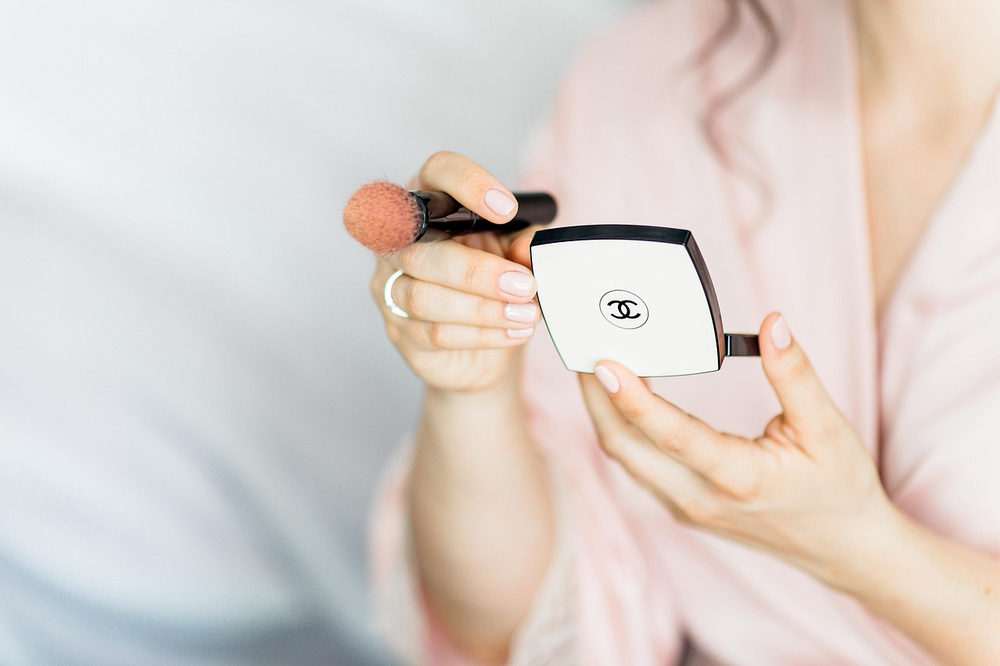
Not all makeup is created equal when it comes to skin health. The single biggest formula mistake people make is using products that are too heavy, occlusive, or filled with pore-clogging ingredients. This is especially common with foundations, concealers, and primers marketed as “full coverage” or “long-wear.”
How heavy formulas trigger breakouts
Thick, silicone-heavy or oil-based formulas can trap dead skin cells, bacteria, and sebum against the skin. Over time, this creates a perfect environment for comedones—clogged pores that can turn into whiteheads, blackheads, or inflamed acne. Ingredients like isopropyl myristate, coconut oil, and certain waxes are known to be comedogenic for many people.
A quick test: Check your foundation label for the words “non-comedogenic” or “oil-free.” If you see ingredients like cetyl alcohol, stearyl alcohol, or lanolin near the top, consider swapping to a lighter formula, especially around your cheeks and jawline.
How to fix it: choose breathable, skin-friendly formulas
Start by swapping heavy liquid foundations for mineral powder or lightweight tinted moisturizers. Look for products labeled “non-comedogenic,” “mattifying,” or “water-based.” If you love full coverage, you don’t have to sacrifice it—just apply thinner layers and build up only where needed, rather than coating your entire face. And always test a new product on a small patch of skin (like behind your ear) for a few days before using it all over.
Mistake #2: Sleeping in your makeup (or not cleansing properly)
This might seem obvious, but it’s worth repeating because it’s the most common breakout trigger that people don’t take seriously. Even a single night of sleeping in makeup can cause a cascade of congestion. But the issue isn’t just failing to remove it—it’s also about how you remove it.
Why incomplete removal matters
Makeup residues—especially waterproof mascara, long-wear foundation, and setting sprays—can cling to skin even after a quick rinse with facial cleanser. Leftover particles can settle into pores and cause irritation within hours. Over time, this leads to “maskne” (mask-related acne) and patterns of breakouts along the hairline, jawline, and nose.
How to fix it: a gentle but thorough double-cleanse
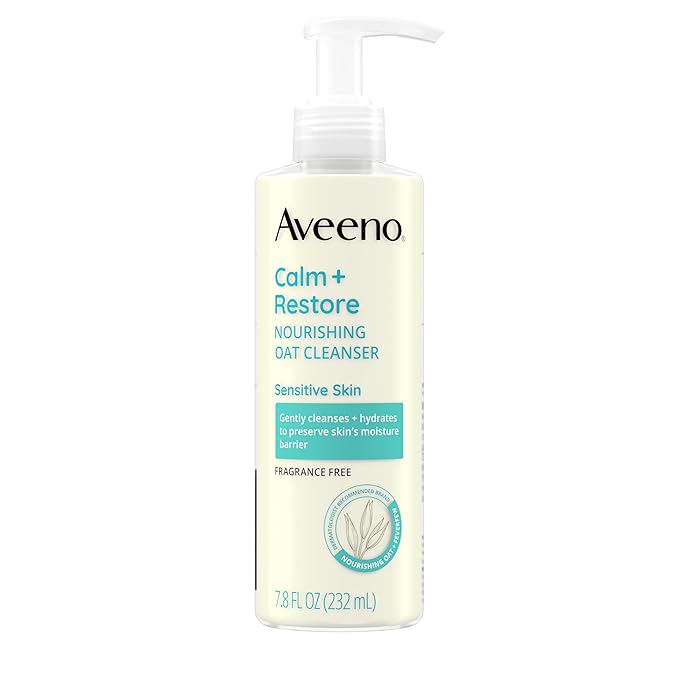
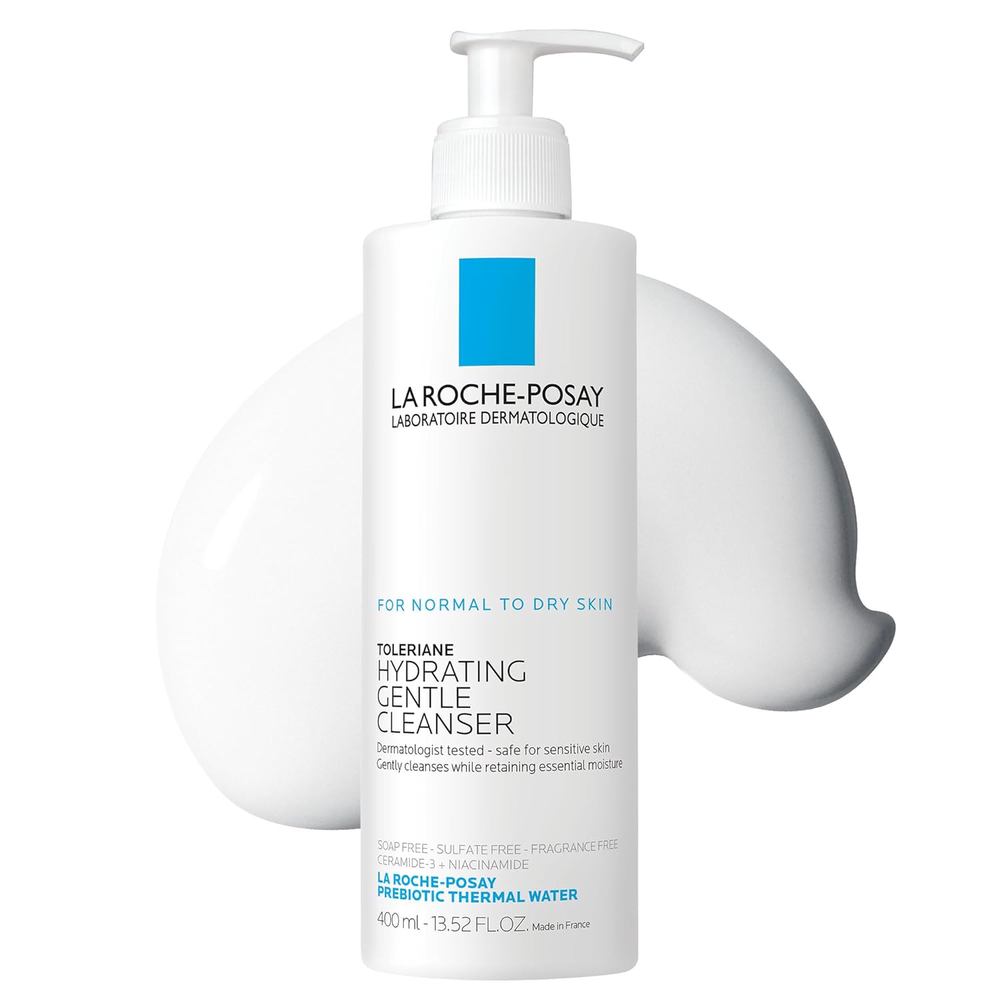
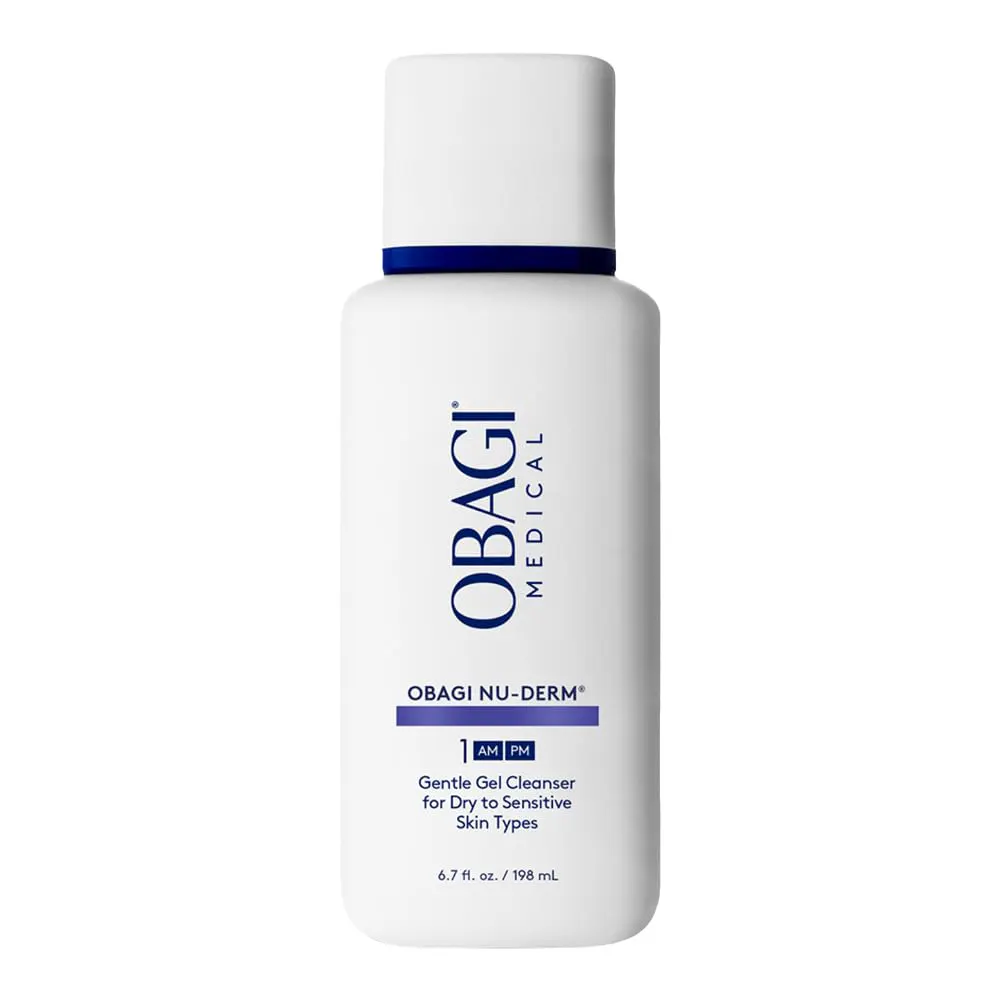
Make it a non-negotiable habit: remove every trace of makeup before bed. The most effective method is a double-cleanse routine. Start with an oil-based or micellar-water cleanser to dissolve makeup, sunscreen, and excess oil. Follow with a gentle water-based cleanser (look for ingredients like salicylic acid, niacinamide, or tea tree oil if you’re acne-prone) to sweep away any remaining residue. Pat your skin dry with a clean towel—never rub.
Pro tip: Keep a pack of pre-soaked makeup-removing wipes on your nightstand for nights when you’re exhausted. They’re not a substitute for washing, but they’re far better than sleeping in a full face of makeup.
Bonus mistake: Not cleaning your tools
While we’re on the topic, let’s mention a third common issue: dirty makeup brushes and sponges. They collect bacteria, oil, and old product, which you then spread back onto your skin every time you apply makeup.
Simple fix
Wash your brushes at least once a week with a mild soap or brush cleanser. Sponges should be washed after every use (or swapped for disposable alternatives). A clean brush is a breakout-free brush.
Stop breakouts before they start: texture, removal, and tools
The two biggest makeup mistakes that trigger breakouts come down to what you put on your skin and how you take it off. By switching to non-comedogenic formulas and committing to a double-cleanse routine, you can dramatically reduce congestion and breakouts. Keep your tools clean, and you have a simple, effective system for enjoying makeup without the acne aftermath.