
You wash your face every morning. You probably wash it again at night. For anyone managing breakouts, that cleansing routine feels non-negotiable — and it should be. But there is one specific way you might be washing that could be sabotaging your skin's ability to heal, leaving behind marks that last far longer than the pimple itself.
The habit? It is physical exfoliation during cleansing. And it is more common — and more damaging — than most people realize.
What we mean by physical exfoliation during cleansing
Physical exfoliation is any scrubbing action that mechanically removes dead skin cells. In the context of a daily cleanse, this includes the following:
- Using a scrub cleanser with visible granules, beads, or crushed nutshells
- Scrubbing vigorously with a washcloth, muslin cloth, or silicone pad
- Relying on rotating cleansing brushes or sonic face brushes (especially daily)
- Rubbing hard with your fingertips in a circular motion as if trying to scrub the skin clean
If any of these sound familiar, you are not alone. Many people with acne-prone skin believe that aggressive cleansing is necessary to “clear out” pores and remove oil. But for skin that has active breakouts — or fresh scars — this approach can do the opposite.
How scrubbing interferes with scar healing
An acne scar, at its core, is a wound. Whether it is a depressed ice-pick scar or a reddish post-inflammatory mark, the skin underneath is in a state of repair. Blood vessels are working overtime to bring nutrients to the area. Collagen is being remodeled. The surface layer is still fragile.
When you physically scrub over that area — even gently — you create micro-trauma. That trauma does three things that make scarring worse:
- It prolongs inflammation. Scrubbing reignites the inflammatory cascade, which is what makes red marks stay red longer. Instead of fading, they linger or darken.
- It disrupts collagen repair. New collagen fibers are like wet clay — easily disturbed. Scrubbing can cause uneven collagen deposition, turning a flat red mark into a raised or pitted scar.
- It spreads bacteria and debris. Rubbing an active pimple can rupture the follicle wall, pushing bacteria deeper into the dermis. This creates a larger inflammatory reaction and, ultimately, a deeper scar.
A helpful rule of thumb: if a pimple is still red, raised, or has any broken skin, the entire face should be cleansed as if that spot is a healing scab — because, on a microscopic level, it is.
Why chemical exfoliation is not the same
This does not mean you must avoid exfoliation entirely. Chemical exfoliants — like salicylic acid, glycolic acid, or lactic acid — work by dissolving the bonds between dead skin cells. They do not require rubbing, pressure, or friction. When used correctly, they can actually help fade scars over time by encouraging gentle, even cell turnover.
The key difference is method of delivery. A leave-on serum or toner with a low concentration of beta hydroxy acid (BHA) or alpha hydroxy acid (AHA) treats the surface without traumatizing it. A gritty scrub, on the other hand, scrapes it.
Signs that your cleansing method is scar-ifying your skin
It can be hard to spot a worsening trend when you are used to your routine. Here are a few signs that your daily cleanse may be contributing to scar persistence:
- Red marks (post-inflammatory erythema) stay red for more than six weeks after a pimple heals
- You notice new pitted or uneven texture developing around previously active breakouts
- Your skin feels “tight” or raw immediately after washing
- You feel like you must scrub harder to feel clean
- Breakouts seem to spread to new areas after you wash
If any of these fit your experience, consider a one-week experiment: switch to a gentle, non-foaming gel or cream cleanser applied only with clean, wet fingertips. Use lukewarm water. No cloths. No brushes. No scrubs. After seven days, assess the color and texture of your existing scars.
What a safe daily cleanse looks like for scar-prone skin
Here is how to wash your face without making acne scars worse:
- Choose a sulfate-free, non-abrasive cleanser. Look for ingredients like glycerin, ceramides, or niacinamide. Avoid formulas labeled “scrub,” “polishing,” or “detox” with gritty particles.
- Use only your fingertips. The pads of your fingers offer enough contact to remove surface oil and dirt. There is no need for added friction.
- Limit wash time to 30 seconds. That is all the time needed for a gentle cleanser to do its job. Prolonged massaging increases irritation.
- Pat dry, do not rub. Use a soft, clean towel and press gently against the skin. Dragging a towel across the face is another form of physical exfoliation.
- Reserve physical exfoliation for special occasions only. If you want to use a gentle scrub or brush, limit it to once every two weeks at most — and only on fully healed skin with no active breakouts.
The role of post-cleanse products in scar fading
Once you stop scrubbing, the real work begins. A gentle cleanse creates the right foundation for scar-fading ingredients to work. After washing, apply products that support healing without irritation:
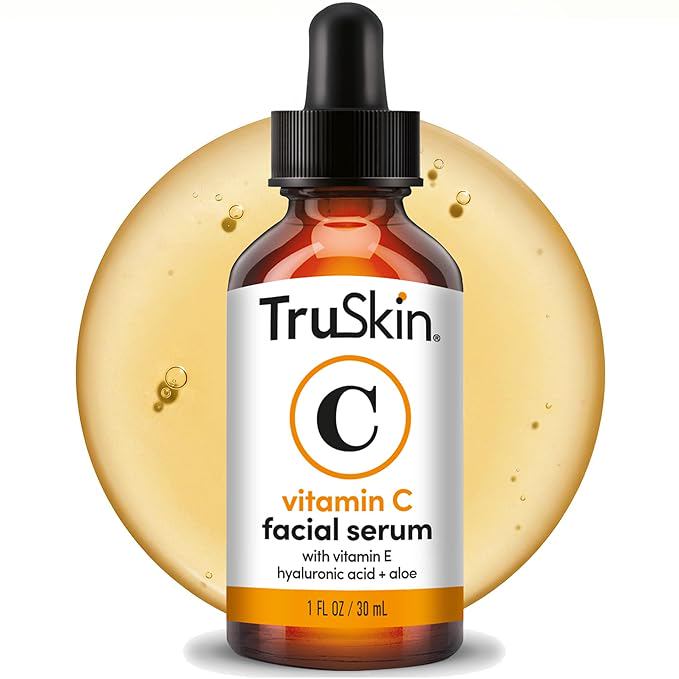
- Vitamin C serums (ascorbic acid) can help reduce pigmentation and support collagen synthesis when used in the morning.
- Niacinamide (2% to 5%) calms inflammation and evens skin tone without clogging pores.
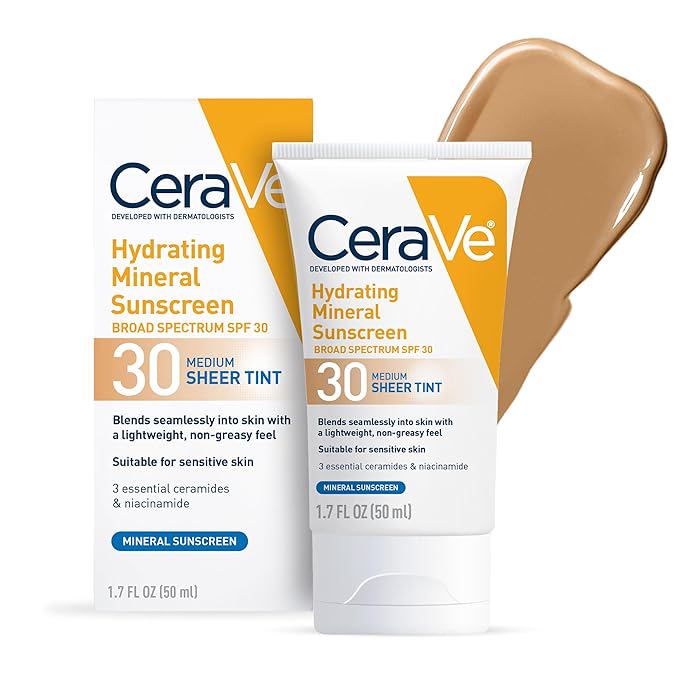
- Sunscreen is non-negotiable — UV exposure darkens acne marks and undermines repair. Use an SPF 30 or higher mineral or hybrid sunscreen daily.
None of these will work well if the cleansing step that precedes them is traumatizing the skin every day. The cleanser should be the gentlest product in your routine — not the most aggressive.
Changing one daily habit is far easier than trying to reverse years of scar formation. If you have been scrubbing, switch to a gentle touch. Your skin — especially your healing scars — will thank you.