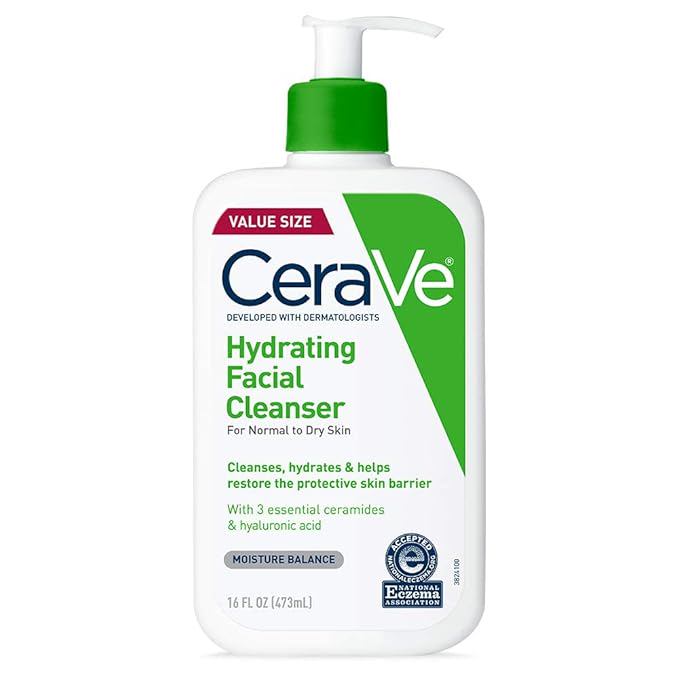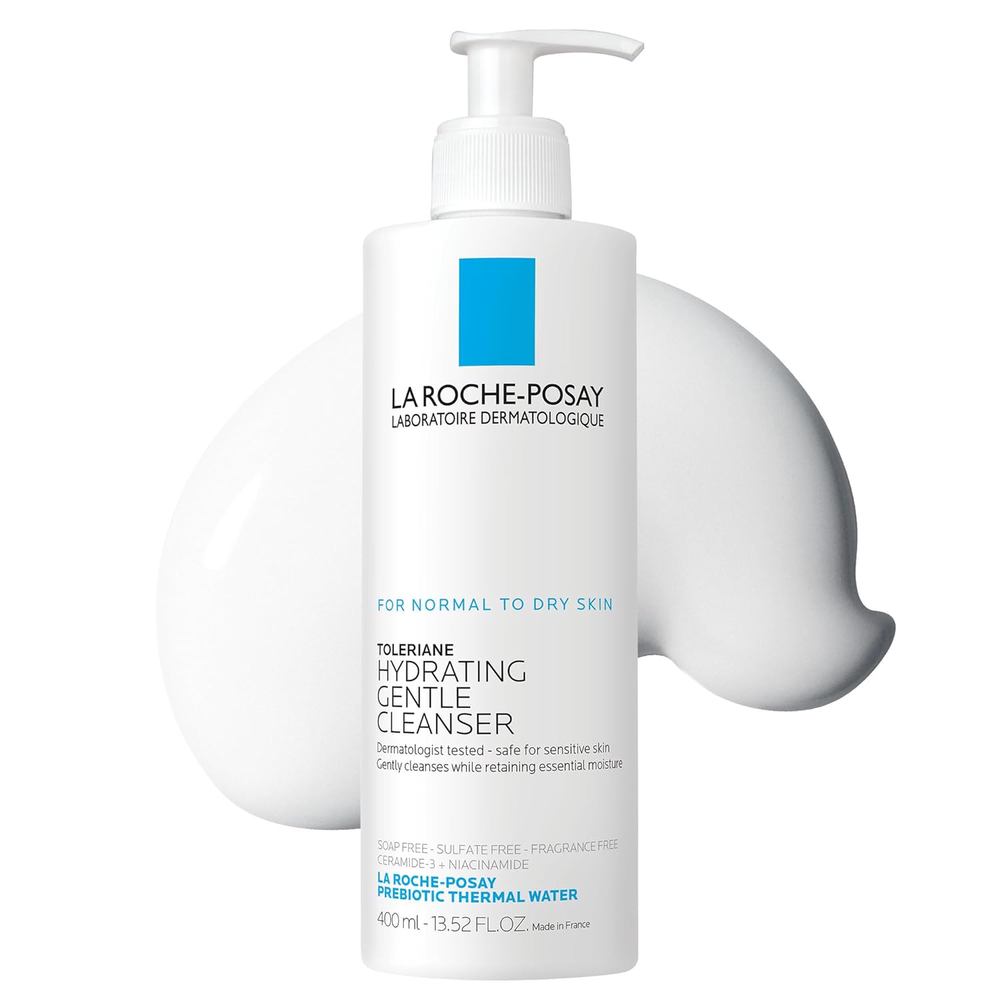

You wash your face. You apply products in the right order. You even swap your pillowcase weekly. Yet those red, angry bumps keep coming back. If this sounds familiar, you may be unknowingly committing one very common skincare sin: over-exfoliation.
It is the single most frequent mistake dermatologists see in patients who cannot get their breakouts under control. The impulse makes sense—acne feels like a dirt or congestion problem, so scrubbing it away seems logical. But the skin is not a kitchen floor. Scrubbing it raw does not clean it; it breaks it. And broken skin is a breeding ground for exactly the type of inflammation that acne loves.
The Logic That Backfires
Exfoliation—whether physical (scrubs, brushes, sponges) or chemical (AHAs, BHAs, retinoids)—removes dead skin cells. In theory, fewer dead cells means fewer clogged pores. That part is correct. The problem is that many people treat exfoliation like a daily obligation rather than a targeted intervention.
When you exfoliate too often or with too many products at once, you strip away the stratum corneum—the protective outer layer of the skin. This layer is not useless debris; it is a living barrier that holds in moisture and keeps out bacteria and irritants. Once you compromise it, several things happen in quick succession:
- Your moisture barrier weakens, leading to transepidermal water loss (skin that feels tight, dry, or 'stinging').
- Your skin pH shifts toward alkaline, which disrupts the acid mantle that normally controls Cutibacterium acnes (the bacteria involved in acne).
- Inflammation signals spike. Redness, swelling, and sensitivity follow.
At this point, your skin is no longer just oily or prone to breakouts—it is irritated. And irritated skin produces more sebum as a protective reflex. More oil plus a weakened barrier plus more bacteria equals the perfect equation for new pimples.
How Over-Exfoliation Creates the 'Purging' Trap
Many people mistake the initial breakout from a new exfoliant for a 'purge'—a temporary worsening that should be endured for long-term gain. Purging is real (it happens when cell turnover accelerates, pushing out clogs that were already forming), but it typically lasts two to six weeks and appears as small, uniform bumps in areas where you normally break out.
Over-exfoliation, on the other hand, produces angry, painful cysts in places you never had acne before—along the jawline, cheeks, or even the neck. It also comes with unmistakable signs: stinging when you apply moisturizer, a shiny or 'waxy' look to the skin, and fine lines that appear more prominent because the skin is dehydrated.
A simple check: If your skin feels tight or burns after cleansing—even with a gentle cleanser—you have likely overdone it. Stop all active ingredients (retinoids, acids, scrubs) for at least one week and focus only on hydration and barrier repair.
Why Acne-Prone Skin Is Especially Vulnerable
Not everyone who over-exfoliates gets acne. Some people just get dry, flaky skin. But if you are prone to breakouts, your skin already has a heightened inflammatory response. The immune cells in your skin are quicker to react to triggers. When you damage the barrier, those immune cells release more pro-inflammatory cytokines—chemical signals that tell the body to send white blood cells to the area. This cascade is exactly what turns a tiny clogged pore into a red, pus-filled lesion.
Furthermore, many acne treatments already have mild exfoliating properties. Benzoyl peroxide dries out the skin. Salicylic acid is a chemical exfoliant. Retinoids speed up cell turnover. Using any of these alongside aggressive scrubs or daily acid toners is a recipe for a compromised barrier.
Signs You Are Over-Exfoliating Right Now
- Your moisturizer stings or burns when applied.
- You have breakouts in areas that are normally clear (jawline, temples, neck).
- Your skin looks red, blotchy, or feels 'tight' even after moisturizing.
- You use a physical scrub more than once a week, or a chemical exfoliant more than three times a week.
- You use two or more exfoliating products in the same routine (e.g., a salicylic acid cleanser followed by a glycolic acid toner followed by a retinol).
The Fix: Rest, Then Reset
If you suspect over-exfoliation is the culprit behind your stubborn breakouts, the first step is not to find a better exfoliant—it is to stop exfoliating entirely. Give your skin a full break for at least seven to ten days. During this period, use only a gentle, non-foaming cleanser, a simple moisturizer with ceramides or niacinamide, and a broad-spectrum sunscreen during the day. That is it. No acids. No retinoids. No scrubs.
Once the stinging and redness subside (usually within two weeks), you can reintroduce one exfoliating product at a time, starting at the lowest frequency: once per week for chemical exfoliants, and never more than two to three times per week for any active. Listen to your skin—if irritation returns, you are still doing too much.
A Realistic Exfoliation Schedule for Acne-Prone Skin
- Chemical exfoliant (BHA/salicylic acid): 1–2 times per week, in the evening. Do not combine with other actives on the same night.
- Retinoid (adapalene or retinol): 2–3 times per week, on bare skin, waiting 20 minutes after cleansing. Skip if you used an acid the night before.
- Physical scrub: Once weekly, if at all. Use a very gentle, round-bead formula (avoid crushed nutshells or rough particles).
- Double cleansing: Use an oil-based cleanser first (to dissolve sunscreen and makeup), followed by a gentle water-based cleanser. This removes debris without mechanical scrubbing.
Over-exfoliation is widespread because it feels productive. But the skin does not respond to aggression—it responds to consistency. The one mistake to stop is the belief that more scrubbing equals clearer skin. In acne care, restraint is often the most powerful tool you have.