That small, tempting bump. The urge to ‘fix’ it, to clear it out, feels almost automatic. For many of us, picking at a pimple is a reflexive response, a quick attempt to regain control over our skin. Yet, in that moment of pressure, we’re often working against our skin’s own natural healing process. The aftermath—lingering redness, a scab, and a mark that lasts far longer than the original blemish—is a frustratingly familiar result.
Understanding why picking is so counterproductive, and learning tangible, safer alternatives to manage that urge, is the first step toward breaking the cycle. It’s not about willpower alone; it’s about strategy and a shift in perspective toward your skin’s biology.
Why Picking Makes Everything Worse
When you see a pimple, you’re looking at a localized area of inflammation deep within the pore. Your body has already sent immune cells to the site to fight bacteria and heal the tissue. Squeezing or picking is a brutal physical assault on this delicate process.
You’re not just pushing out contents; you’re rupturing the follicle wall beneath the skin’s surface. This spreads the inflammatory material—bacteria, dead skin cells, and sebum—into the surrounding dermis. Your body’s response is to launch an even more aggressive inflammatory attack, which leads to more swelling, deeper redness, and significantly increases the risk of post-inflammatory hyperpigmentation (those dark spots) and atrophic scarring (the textured pits or indentations).
Picking transforms a simple, surface-level clog into a deeper wound, guaranteeing a longer, more visible recovery.
Furthermore, the broken skin is an open invitation for more bacteria from your fingers and nails, which can cause secondary infections. The trauma also stimulates more blood flow to the area, making the resulting mark more prominent and slower to fade.
Safer Alternatives to the Urge
Breaking the habit requires replacing the action. The goal isn’t to just ‘not pick,’ but to have a plan for what to do instead when the compulsion strikes. These alternatives address the urge while supporting healing.
Immediate Tactics for the Moment
When your fingers drift toward your face, intervene with a deliberate, kinder action.
- Apply a targeted treatment. Keep a spot treatment with ingredients like benzoyl peroxide (2.5% or 5%) or salicylic acid handy. Dab a tiny amount directly on the blemish. This feels like ‘doing something’ therapeutic, without causing trauma.
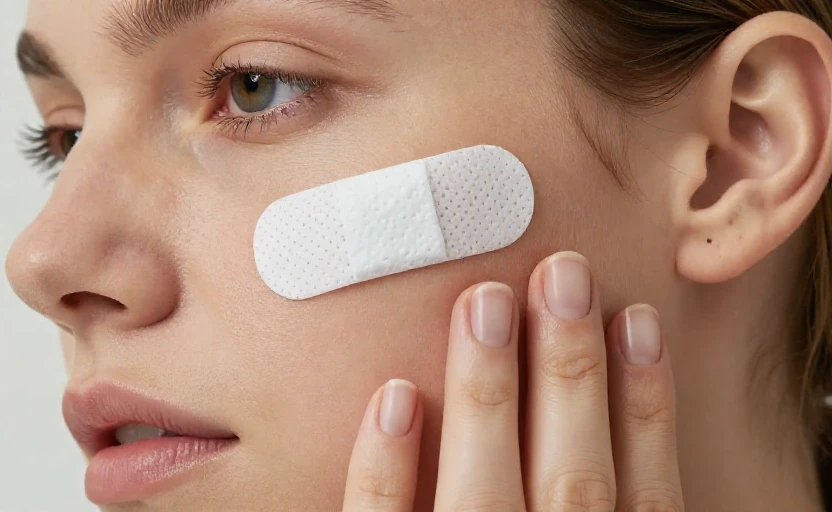
- Use a hydrocolloid patch. These small, transparent patches are a game-changer. Placed over a clean pimple (especially one with a visible head), they create a moist healing environment, absorb excess fluid, and form a protective physical barrier. Most importantly, they stop you from touching it. Seeing the patch can also reduce the visual trigger.
- Cool it down. Wrap an ice cube in a thin cloth or use a cold spoon and hold it gently on the inflamed area for 1-2 minutes. This constricts blood vessels, reduces immediate swelling and redness, and provides a soothing physical sensation.
- Redirect your hands. Literally give your hands something else to do. Squeeze a stress ball, fiddle with a fidget toy, or simply press your palms together firmly for ten seconds.
The Power of Consistent Care
Beyond the acute moment, a gentle, consistent skincare routine reduces the overall number and severity of breakouts, which in turn reduces the number of ‘targets.’
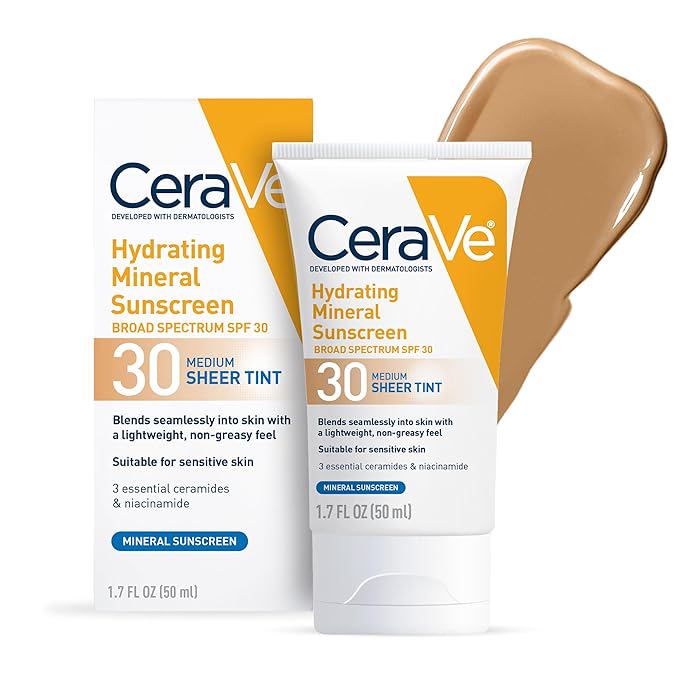
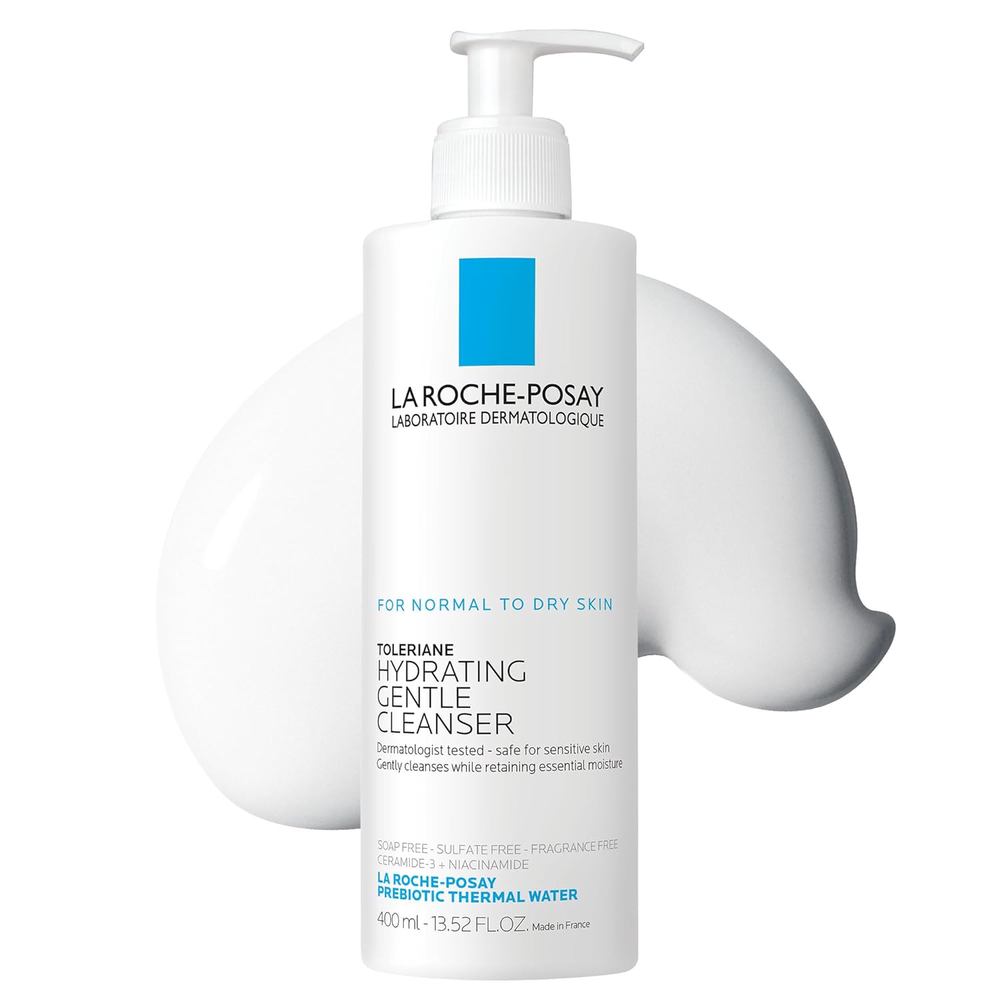
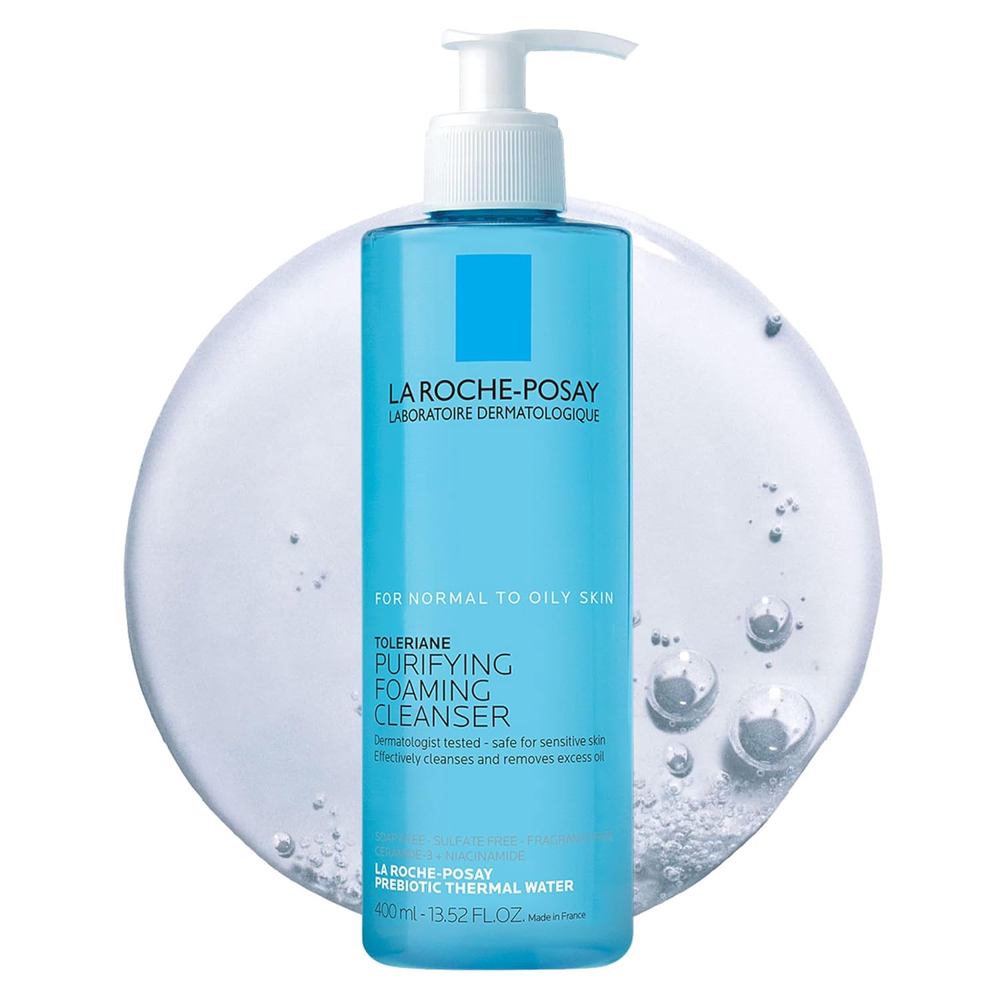
A simple, non-stripping cleanser used twice daily removes excess oil and debris without compromising your skin barrier. Following with a lightweight, non-comedogenic moisturizer is crucial; even oily skin needs hydration to stay balanced. Sun protection every morning is non-negotiable, as UV exposure darkens post-pimple marks and can worsen inflammation.
This routine isn’t about aggression; it’s about creating a stable, healthy environment where your skin is less likely to rebel, making the ‘don’t pick’ mantra easier to follow.
How Your Skin Heals When You Step Back
Leaving a pimple alone allows your body’s sophisticated repair system to work efficiently. Inflammation resolves on its own timeline. The immune cells clear the debris, the damaged tissue is repaired, and the pore gradually returns to normal.
Without the trauma of picking, this process leaves minimal evidence. The pimple’s life cycle—from formation to resolution—is often days shorter than if it had been manipulated. What remains is smooth skin, not a wound that needs to scab and re-epithelialize, a process that almost always leaves a pigment change behind.
Your skin’s natural healing, while sometimes feeling slow, is the most elegant and scar-free process available.
Managing the Aftermath of a Picking Session
We’re all human. If you’ve already picked, the approach shifts to damage control and supporting wound healing.
- Clean the area gently. Use a mild cleanser and water. Pat—don’t rub—dry.
- Apply an occlusive barrier. A tiny dot of plain petroleum jelly or a healing ointment will keep the broken skin moist, prevent a hard scab from forming (which can worsen scarring), and create an ideal environment for new skin cells to migrate.
- Protect it. Keep the area covered with a hydrocolloid patch if possible, or at least with a clean layer of that occlusive barrier. Absolutely avoid any active ingredients like acids or retinoids on the broken skin until it’s fully closed.
- Be extra vigilant with sunscreen. Freshly healed skin is highly prone to hyperpigmentation when exposed to UV light. Daily, broad-spectrum sunscreen is your best defense against a lasting dark spot.
Forgive the slip-up, learn from the trigger, and recommit to your alternatives for next time. Progress is never a perfect straight line.
When to Seek Professional Guidance
If skin picking feels compulsive and uncontrollable, extending beyond pimples to healthy skin, it may be a sign of a body-focused repetitive behavior like dermatillomania (excoriation disorder). This is not a failure of willpower; it’s a condition that often coexists with anxiety or OCD tendencies and benefits from professional support.
A dermatologist can also provide powerful tools to reduce breakouts at the source, such as prescription topical retinoids or antibiotics, making the skin less ‘pickable.’ For persistent post-inflammatory marks, they can offer in-office treatments like chemical peels or laser therapy that are far more effective and safer than anything you can do at home.
Reaching out for help is a profound act of care for your skin and your well-being.