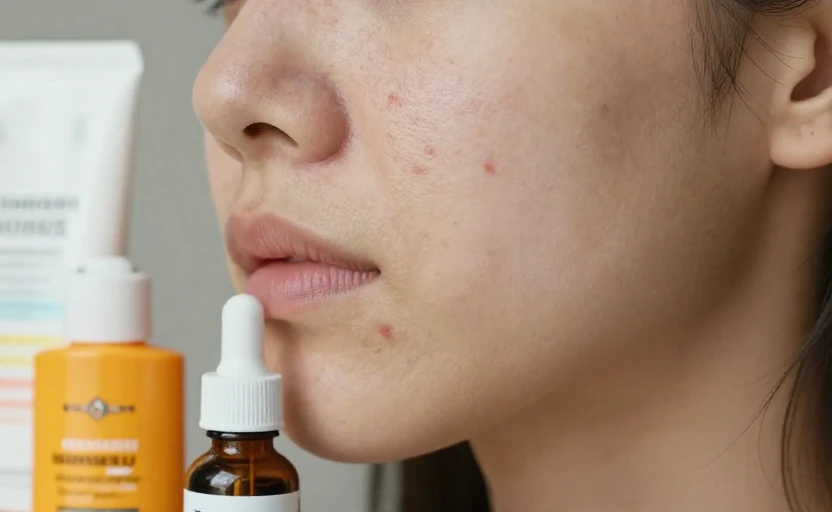
You’ve finally cleared the active breakout, but the story isn’t over. Lingering in its wake are the flat, discolored reminders—post-acne marks, or post-inflammatory hyperpigmentation (PIH). The instinct is to attack them with everything you’ve got, but that’s often where the real trouble begins. In the rush to erase these marks, many of us fall into two common, well-intentioned traps that can actually stall progress and worsen the very marks we’re trying to fade.
Understanding these mistakes isn’t about assigning blame; it’s about shifting from a reactive, aggressive approach to a patient, supportive one. Your skin is in a recovery phase, and treating it as such makes all the difference.
Mistake #1: Over-Exfoliating and Disrupting Your Skin Barrier
When a dark mark is staring back at you in the mirror, the urge to scrub, peel, or slough it away feels logical. We reach for gritty scrubs, potent acid toners, and exfoliating treatments, sometimes layering them daily. The logic is sound on the surface: exfoliation can help shed pigmented surface cells. But in excess, it becomes counterproductive.
Your skin’s barrier—the outermost layer—is its primary defense. It keeps moisture in and irritants out. Post-acne marks exist in skin that has already been through trauma (the inflammation of the pimple itself). Aggressive, frequent exfoliation strips away this protective layer, leading to a compromised barrier.
A damaged barrier doesn’t heal effectively. It’s too busy trying to repair itself.
The consequences are a cascade of setbacks. First, barrier damage leads to transepidermal water loss, leaving skin dry, tight, and flaky. This dryness can actually make pigmentation appear more pronounced and ashy. Second, compromised skin is more vulnerable to environmental aggressors like pollution and UV rays, which directly stimulate more pigment production. Third, and most frustratingly, a weakened barrier cannot properly support the active ingredients you’re using to treat the marks. They may cause more irritation and penetrate too deeply, leading to further inflammation—the very engine that drives post-acne pigmentation.
You’ll know you’ve crossed the line if your skin feels sensitive, stings with product application, appears shiny yet tight, or has patches of redness.
How to Exfoliate Correctly for Fading Marks
The goal is gentle encouragement, not forced evacuation.
- Choose chemical over physical: Swap abrasive scrubs for gentle chemical exfoliants like lactic acid or low-percentage mandelic acid. They work more evenly and are less likely to cause micro-tears.
- Limit frequency: For skin with active marks, exfoliating 1–2 times per week is often sufficient. Listen to your skin; if it feels sensitive, skip a week.
- Nourish the barrier: Follow every exfoliating session with a simple, reparative moisturizer containing ingredients like ceramides, fatty acids, or niacinamide. This supports the skin’s recovery process.
Mistake #2: Skipping Sun Protection or Using It Inconsistently
This is the non-negotiable, and the mistake that undoes more progress than any other. Think of UV exposure as the “on” switch for melanin production. When UV rays hit your skin, they signal melanocytes (pigment-producing cells) to make more melanin as a defense mechanism. If you have an area of hyperpigmentation, those cells are already in a hyperactive state. Sun exposure tells them to produce pigment even more vigorously, darkening existing marks and potentially creating new ones.
Applying a treatment serum at night and then walking outside the next day without protection is like mopping the floor with the front door wide open during a rainstorm. All your careful work is continually being undermined.
Sun protection isn’t just for beach days. It’s a daily, essential part of any pigmentation-fading plan.
Inconsistency is the other half of the problem. “It’s cloudy,” or “I’m just driving to work,” are common thoughts. However, UVA rays, which penetrate deeply and are primarily responsible for pigmentation and aging, are present at relatively consistent strength year-round, can penetrate clouds and glass. Brief, cumulative exposure adds up significantly over weeks and months, keeping marks stubbornly in place.
Building a Fail-Safe Sun Protection Habit
Make it so easy and pleasant that you won’t skip it.
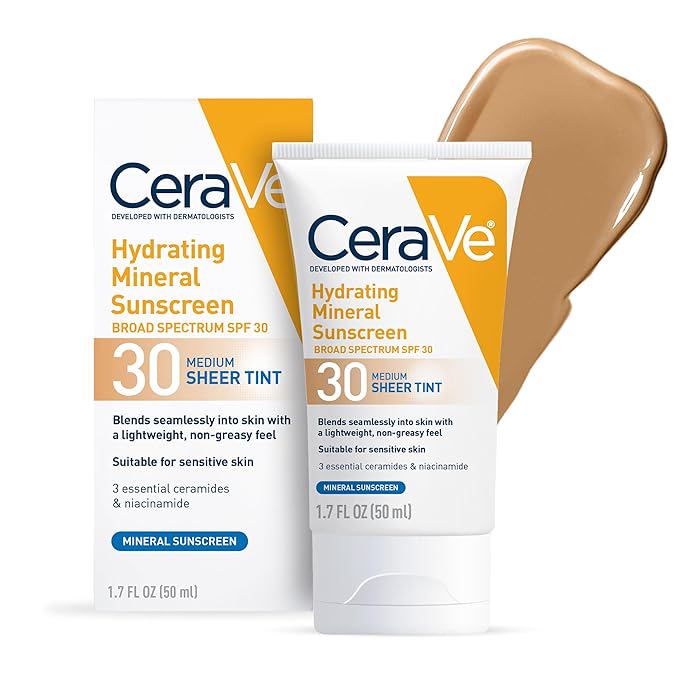
- Find a formula you enjoy: This is crucial. If you hate thick, white casts, seek out modern mineral or chemical sunscreens with lightweight, gel-cream, or serum-like textures. Try a few to find your holy grail.
- Integrate it into your AM routine: Apply sunscreen as the final step in your morning skincare, before makeup. Think of it as your daytime moisturizer.
- Use enough, and reapply: A shot-glass-sized amount (about 1/4 teaspoon) is needed for the face and neck. Reapply every two hours if you’re in direct sun for extended periods.
- Embrace multi-tasking: Many daily moisturizers and foundations now contain SPF. While these are better than nothing, for dedicated mark-fading, a dedicated, broad-spectrum SPF 30 or higher sunscreen is the gold standard.
The Supportive Routine for Fading Post-Acne Marks
Avoiding these two mistakes creates a stable foundation. On that foundation, you can build a routine with ingredients that actively support fading. The key is introducing them slowly and patiently.
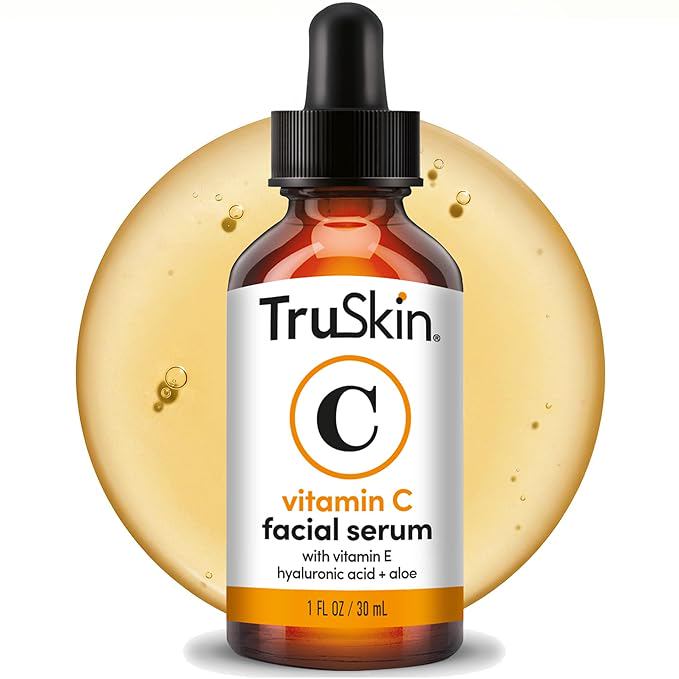
Vitamin C (L-ascorbic acid): A potent antioxidant that can help brighten skin and inhibit the tyrosinase enzyme, which is involved in melanin production. It also boosts the efficacy of your sunscreen. Start with a low concentration every other morning.
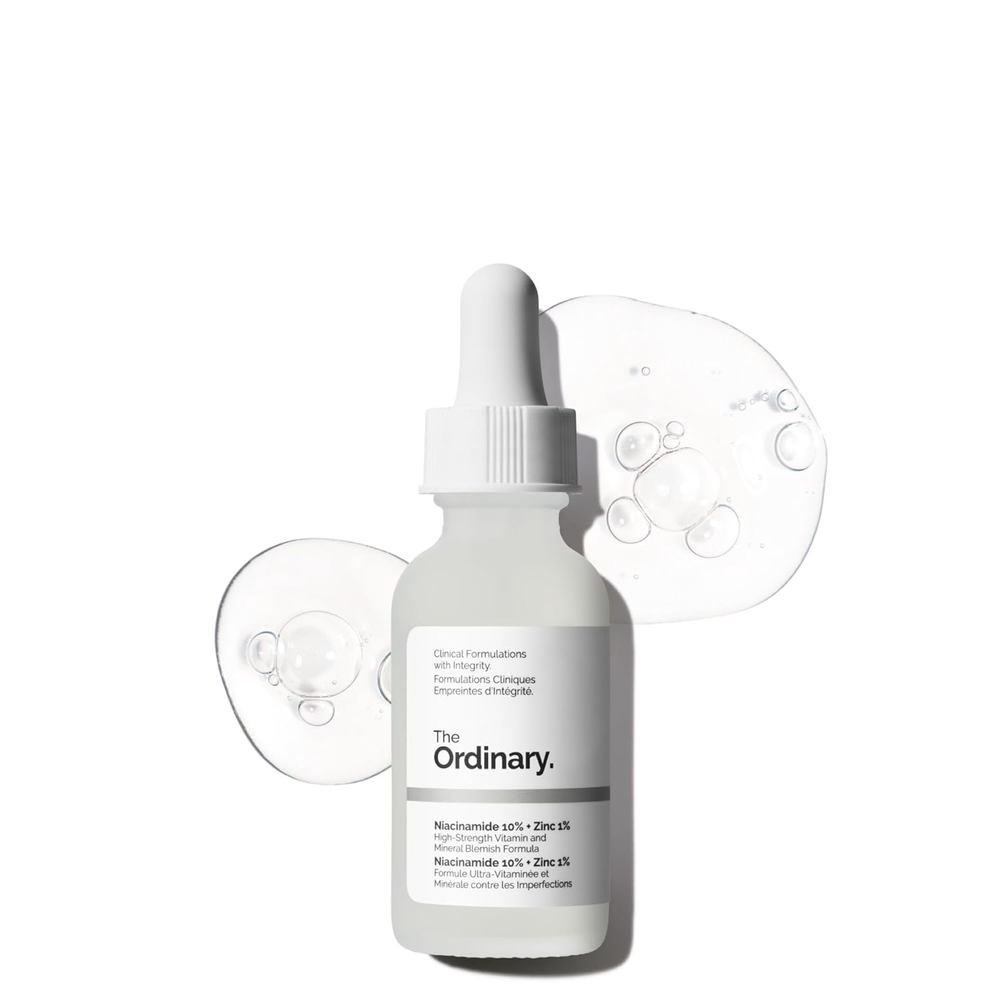
Niacinamide (Vitamin B3): A superstar for barrier health and pigmentation. It helps reduce the transfer of pigment to skin cells and can improve skin’s overall resilience. It’s well-tolerated by most and can be used morning and night.
Azelaic Acid: Excellent for addressing both residual redness (post-inflammatory erythema) and brown marks. It’s anti-inflammatory and helps normalize abnormal pigment production.
Retinoids (over-the-counter retinol): They accelerate cell turnover, helping to shed pigmented cells and bring newer, clearer cells to the surface. Start with a low concentration once or twice a week, always at night, and always paired with moisturizer and next-day sunscreen.
Introduce one new active at a time, waiting a few weeks before adding another. This allows your skin to adjust and lets you monitor for any irritation. Remember, fading post-acne marks is a marathon, not a sprint. Consistency with a gentle, protective, and sun-safe routine will yield clearer, more even-toned skin over time.