
You’ve washed your face, applied your products, and slipped into bed, hoping to wake up to clearer skin. But sometimes, morning brings more redness or a new blemish instead. The culprit might not be your products, but how you’re using them at night. For adult skin prone to acne, the evening routine is a critical window for healing—or for inadvertently causing more irritation.
Adult acne behaves differently than the breakouts of your teens. It’s often linked to stress, hormones, and a slower skin cell turnover rate. Your skin’s barrier is also more delicate. This means the aggressive, stripping tactics that might have worked years ago can now backfire, leading to a cycle of dryness, inflammation, and more breakouts. The goal at night shifts from simply ‘fighting’ acne to calming, healing, and supporting your skin’s natural renewal process.
Mistake #1: Over-Cleansing or Using Harsh Cleansers
It feels logical: acne means oil and bacteria, so you need to scrub it away. This instinct leads many to use foaming cleansers with sulfates, physical scrubs, or cleansing brushes right before bed. The intention is purity, but the result is often a compromised skin barrier.
When you strip your skin of all its natural oils, it goes into emergency mode. Your sebaceous glands can overcompensate by producing more oil, potentially clogging pores. More critically, a damaged barrier can’t protect against irritants or hold onto moisture. This leads to trans-epidermal water loss, leaving skin dry, tight, and inflamed. Inflammation is a direct driver of acne. So, in trying to clean your skin squeaky-clean, you may be creating the perfect environment for new breakouts.
Think of cleansing as a gentle reset, not a deep sterilization.
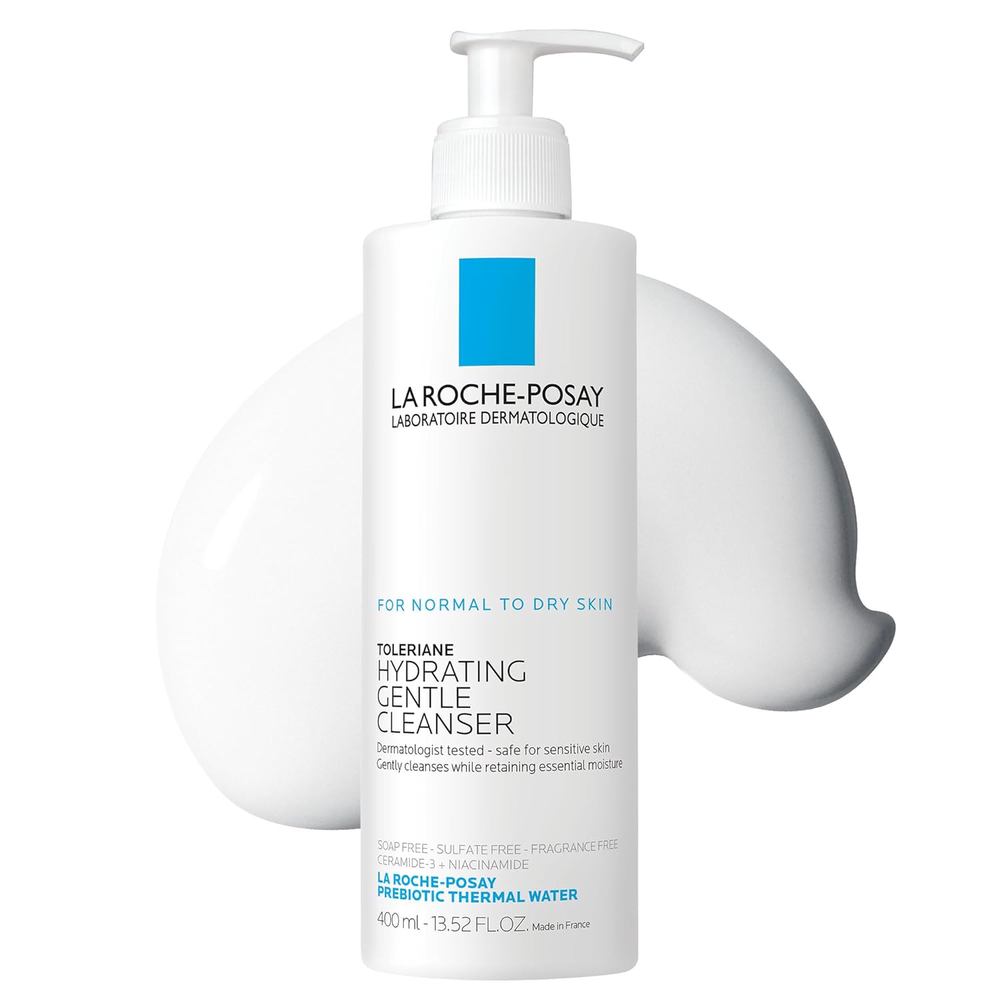
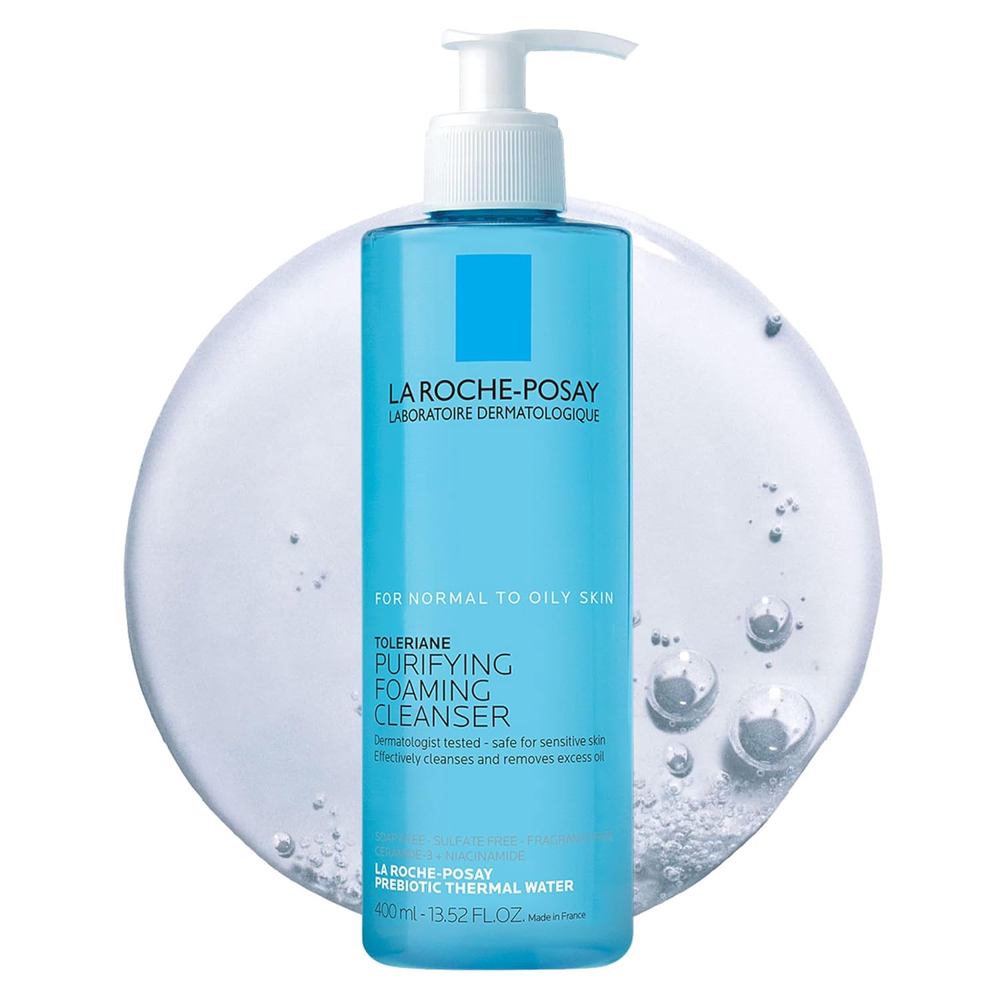
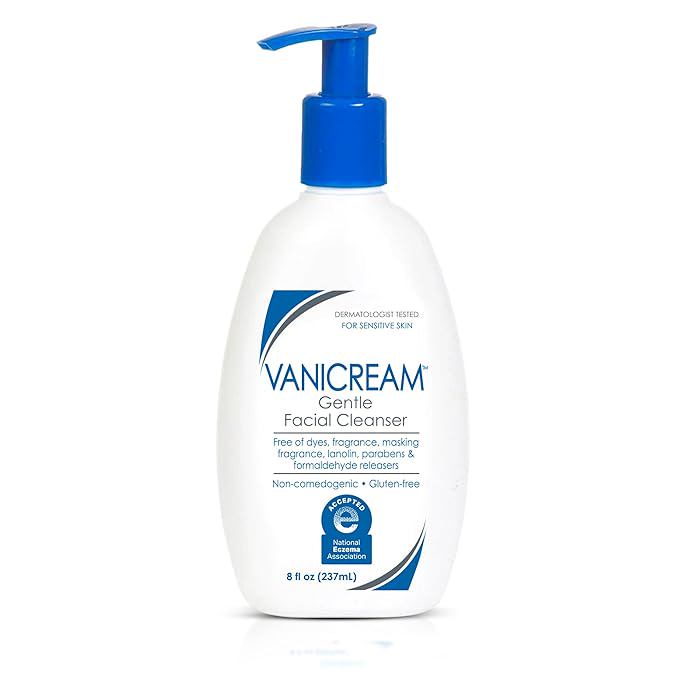
Look for creamy, gel, or milky cleansers with calming ingredients like ceramides, glycerin, or niacinamide. They should remove makeup, sunscreen, and daily grime without leaving your skin feeling like parchment. The ‘squeaky clean’ feeling is a sign you’ve gone too far. A proper cleanse should leave your skin feeling supple, not stripped.
Mistake #2: Layering Active Ingredients That Conflict
This is the most common advanced mistake. In a well-meaning effort to attack acne from every angle, you might layer a salicylic acid cleanser, a benzoyl peroxide treatment, a retinol serum, and an AHA toner—all in one night. This cocktail of actives is a recipe for irritation.
Each of these ingredients needs a specific pH environment to work effectively, and they can cancel each other out or, worse, drastically increase sensitivity. Retinol and benzoyl peroxide, for instance, are notoriously destabilizing when used simultaneously. Your skin can only handle so much stimulation before it rebels with redness, peeling, and increased breakouts—a condition often mistaken for a ‘purge’ but is actually irritation.
How to Layer Actives Safely
The key is simplification and rotation. Your skin doesn’t need every acne-fighting ingredient every night. A more effective approach is to choose one or two targeted actives and use them on alternating nights.
- Focus on one target per night. Designate nights for exfoliation (AHAs/BHAs), nights for cell renewal (retinoids), and nights for pure hydration and barrier repair.
- Buffer potent ingredients. If your skin is sensitive, apply a light, fragrance-free moisturizer before your retinol to slow its absorption and reduce irritation.
- Always follow with moisture. Even oily, acne-prone skin needs hydration. A light, non-comedogenic moisturizer or gel cream helps seal in your treatments and support barrier function, which is essential for healing.
What Your Nighttime Routine Should Prioritize
Instead of focusing on what to avoid, build a routine around these pillars for adult acne-prone skin.
Consistency Over Intensity: A simple, gentle routine performed every night is far more effective than an aggressive routine that you can’t sustain because it irritates your skin. Find products that work without causing distress and stick with them for several weeks to see results.
Barrier Support is Non-Negotiable: Ingredients like ceramides, fatty acids, and cholesterol are the building blocks of your skin’s protective layer. Using a moisturizer that contains them helps repair the damage that can fuel acne. Think of it as fortifying your skin’s defenses so it can better handle treatments and heal itself.
Let Your Skin Rest: Just like your body, your skin does its deepest repair work while you sleep. Creating a calm, hydrated environment allows this natural process to happen. Sometimes, the most powerful step is to do less and let your skin’s innate intelligence take over.
Waking up to clearer skin is often about subtraction, not addition. By avoiding these two common nighttime errors—over-cleansing and overloading actives—you give your adult skin the gentle, consistent support it needs to find its own balance. The path to calmer skin isn’t through force, but through mindful partnership with your skin’s natural rhythms.