
Waking up to a new breakout or a face that feels tight and uncomfortable can set a frustrating tone for the day. For teenagers navigating the ups and downs of their skin, the morning routine is a critical first step—but it’s surprisingly easy to get it wrong. Often, the instinct is to scrub harder or layer on more products, but that can backfire spectacularly. The goal isn’t to wage war on your skin, but to support it gently as it finds its new normal.
Two common morning missteps, in particular, tend to make matters worse instead of better. They’re well-intentioned, but they disrupt your skin’s delicate balance, leading to more oil, more irritation, and more breakouts. Let’s walk through what they are and, more importantly, how to adjust your approach for a calmer, clearer complexion.
Mistake #1: Over-cleansing or using harsh scrubs
It’s a logical thought: your skin feels oily when you wake up, so you need a deep, powerful cleanse to strip all that grease away. You might reach for a foaming cleanser that leaves your skin squeaky-clean or a gritty scrub to physically scour away oil and dead skin. This feeling of being utterly “clean” can seem satisfying, but it’s a trap.
Your skin’s natural oils, or sebum, aren’t the enemy. They form a protective barrier that keeps moisture in and irritants out. When you aggressively strip this barrier away, your skin panics. It goes into overdrive to replace what was lost, often producing even more oil than before. This can leave you with a shiny, greasy feeling by mid-morning. Harsh physical scrubs can also create micro-tears in the skin, causing inflammation that worsens redness and can even spread bacteria, leading to more pimples.
The goal of morning cleansing is refreshment, not a reset. You’re simply clearing away overnight sweat and any leftover product, not battling the day’s grime.
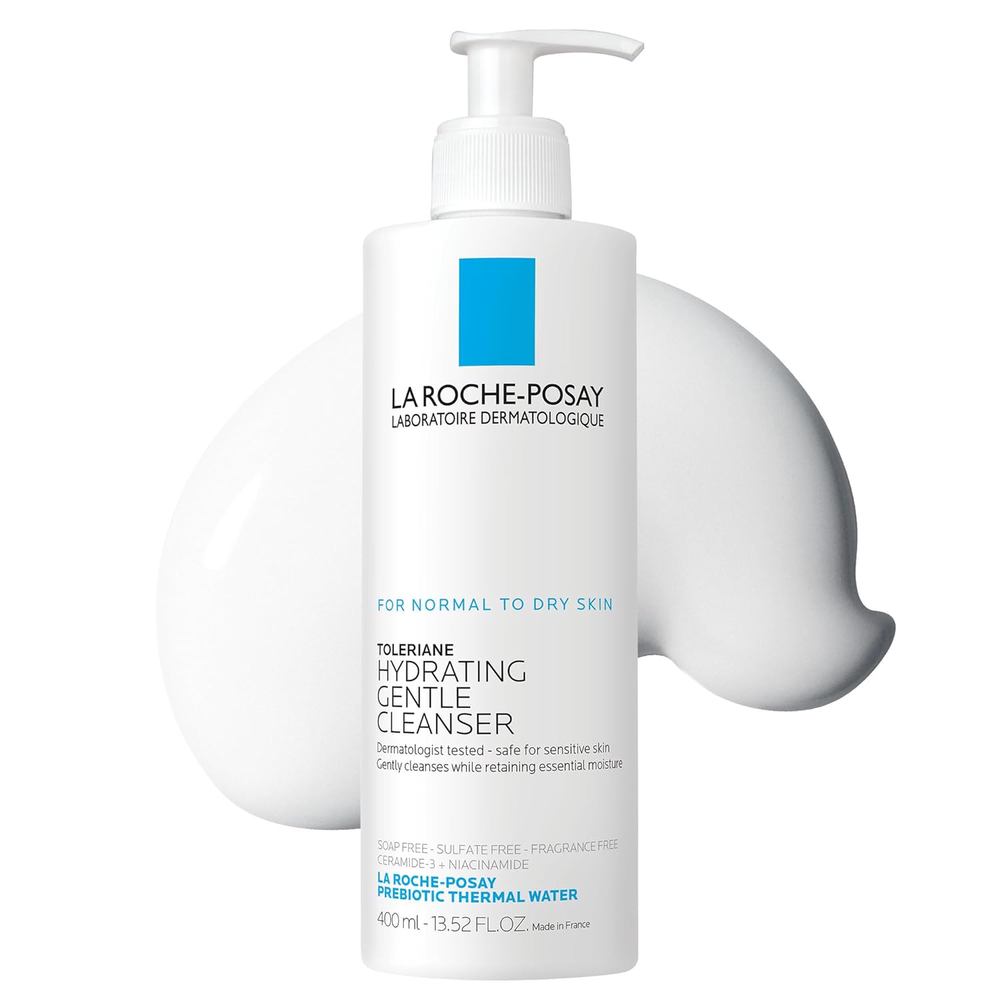
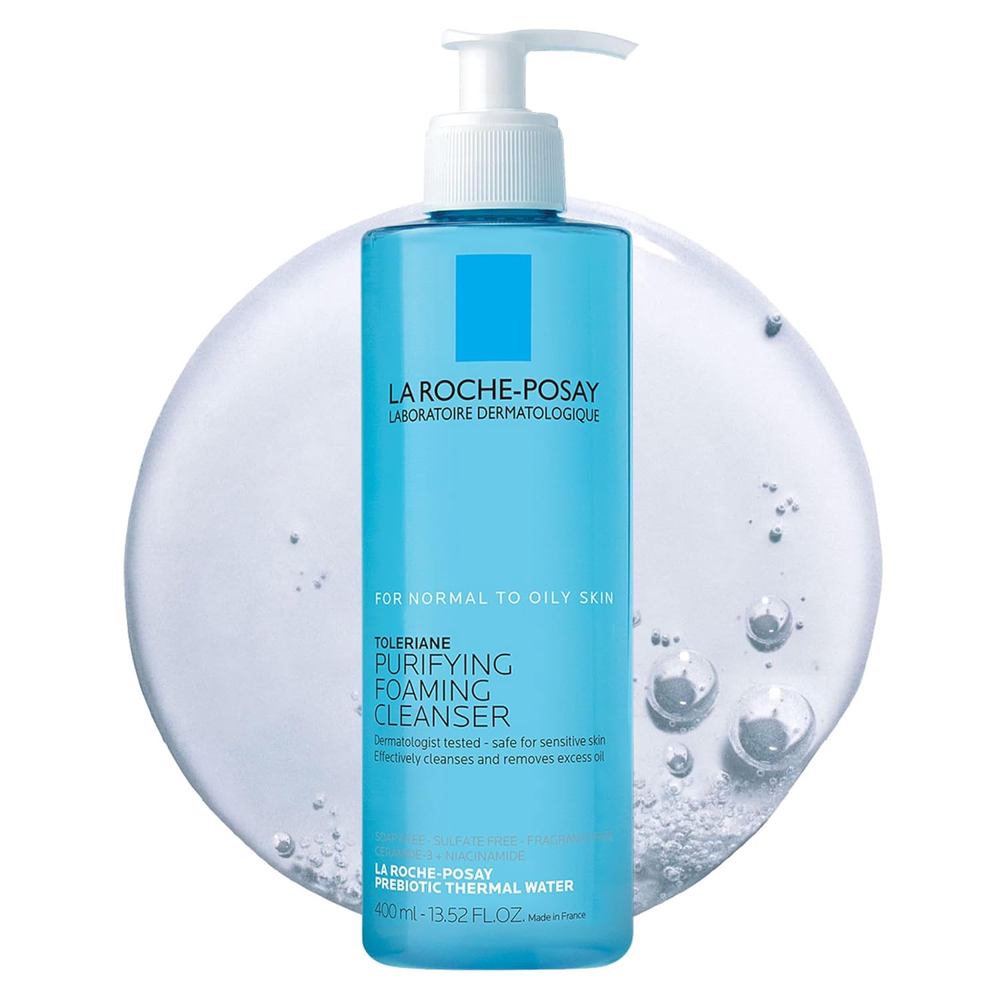
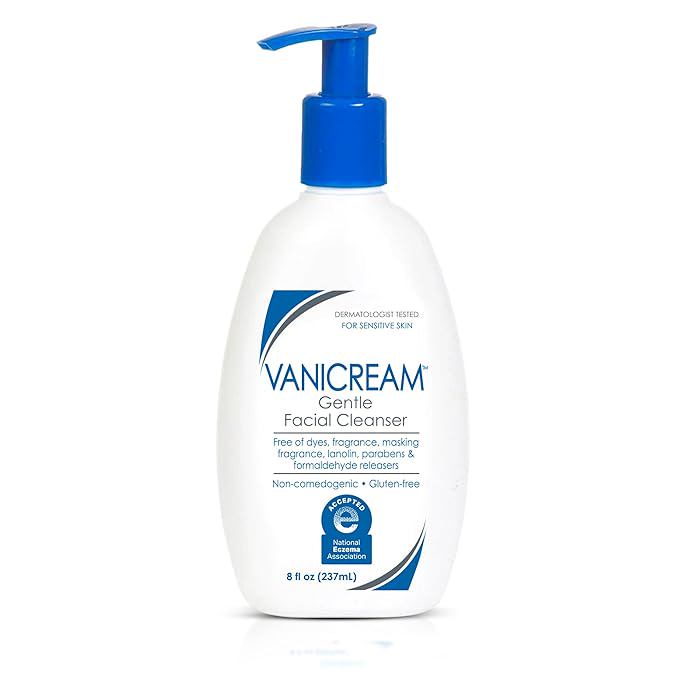
Instead, opt for a gentle, water-soluble cleanser. Look for terms like “cream,” “milk,” or “gel” and avoid anything labeled “foaming” if it leaves your skin feeling tight. Massage it onto damp skin with your fingertips—no washcloths or brushes needed—for about 30 seconds, then rinse thoroughly with lukewarm water. Pat your face dry with a clean towel; never rub.
Mistake #2: Skipping moisturizer because your skin feels oily
This is perhaps the most persistent myth in teenage skincare. The reasoning goes: “My skin is already oily, so adding moisturizer will just make it worse.” It feels counterintuitive, but skipping this step is one of the fastest ways to exacerbate oil production and compromise your skin’s health.
Remember that over-cleansing we just talked about? When you strip your skin of oil and then don’t replenish any hydration, your skin’s barrier is left vulnerable and dehydrated. Dehydrated skin will signal for more oil to compensate for the lack of moisture. You end up with skin that is both oily and dehydrated—a confusing combination that feels slick on the surface but is actually thirsty underneath.
A lightweight, non-comedogenic moisturizer acts as a peacekeeper. It provides the hydration your skin needs, convincing it that it doesn’t have to pump out excess oil. It also reinforces your skin barrier, protecting it from environmental stressors you’ll encounter throughout the day.
What to look for in a morning moisturizer
Your ideal moisturizer should feel light and absorb quickly without leaving a greasy residue. Key ingredients to look for include:
- Hyaluronic Acid: A hydration hero that draws moisture into the skin without heaviness.
- Niacinamide: Helps regulate oil production and soothe redness—a multitasker perfect for teenage skin.
- Ceramides: These help repair and maintain your skin’s natural protective barrier.
Apply moisturizer to slightly damp skin after cleansing. This helps lock in that extra bit of water.
Building a simple, effective morning routine
With those two mistakes corrected, your morning routine becomes straightforward, gentle, and supportive. It should take just a few minutes.
Step 1: Gentle Cleanse. Use your fingertips and a mild cleanser with lukewarm water. Rinse well.
Step 2: Moisturize. Apply a dime-sized amount of a light, oil-free moisturizer to damp skin.
Step 3: Protect (The Non-Negotiable). Every single morning, rain or shine, apply a broad-spectrum sunscreen with at least SPF 30. This is crucial. Many acne treatments and the natural process of healing breakouts can make skin more sensitive to the sun. Sunscreen prevents dark spots from forming where pimples have healed and protects against long-term damage. Look for oil-free, “non-comedogenic” formulas that won’t clog pores.
That’s it. In three steps, you’ve cleansed, hydrated, and protected your skin without provoking it. Consistency with this simple routine will yield better results than constantly switching products or adding aggressive treatments.
When to consider adding more
If you have persistent acne, you might need an active treatment. However, these are best used in your evening routine. Ingredients like salicylic acid (which exfoliates inside pores) or benzoyl peroxide (which targets acne-causing bacteria) can be drying or make your skin more sun-sensitive. Using them at night allows them to work while you sleep and gives your skin a break during the day. Always introduce one new product at a time, and start by using it every other night to see how your skin reacts.
Your morning skin doesn’t need a battle plan. It needs a gentle, consistent partnership. By avoiding the harsh cleanse and embracing a good moisturizer, you give your skin the stable foundation it needs to find its balance, leading to fewer breakouts and a healthier glow.