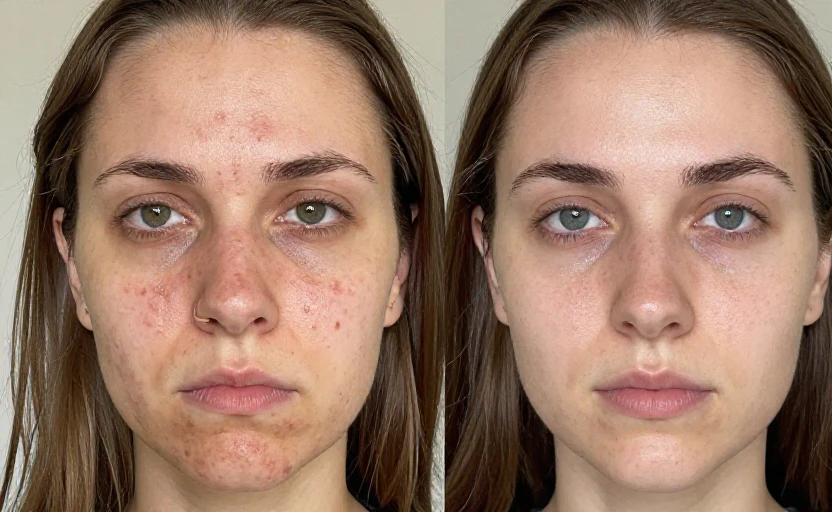
If you’re navigating life with cystic acne-prone skin, you know it’s a different beast entirely. The deep, painful nodules that linger under the skin’s surface don’t respond to the usual quick fixes. The frustration can lead you down paths that promise relief but often deliver the opposite. The journey to calmer skin isn’t just about what you add to your routine; it’s critically about what you stop doing. Two common, well-intentioned mistakes are often at the heart of prolonged flare-ups, trapping skin in a cycle of inflammation and damage.
Understanding these pitfalls is the first step toward breaking the cycle. It’s about shifting from an aggressive, reactive approach to a gentle, protective one. This change in perspective can make a profound difference in your skin’s resilience and overall comfort.
Mistake 1: Treating Your Skin Like a Battleground
When a painful, deep cyst appears, the instinct is to declare war. We reach for the strongest, fastest-acting products we can find. This often means piling on multiple active ingredients—high-percentage salicylic acid, potent benzoyl peroxide, physical scrubs, and harsh astringents—all at once, sometimes several times a day. The logic seems sound: attack the problem with everything you’ve got.
But cystic acne isn’t a surface-level enemy. It forms deep within the pore, driven by inflammation, hormonal signals, and the complex interplay of skin cells and oil. Bombarding the skin’s surface with aggressive treatments doesn’t reach the root cause. Instead, it does something counterproductive: it severely compromises your skin barrier.
Your skin barrier is your most important defense. When it’s damaged, inflammation increases, sensitivity skyrockets, and your skin becomes less able to heal itself.
Think of your skin barrier as the brick wall protecting your skin. Harsh actives and over-cleansing strip away the essential “mortar”—the lipids and proteins that hold the wall together. The result is a wall full of cracks. This state, known as transepidermal water loss, leaves skin vulnerable. It allows more irritants in, sparks more inflammation, and can actually trigger more breakouts as your skin struggles to protect itself. You’re left with cystic acne and a raw, red, peeling, overly sensitive surface—a condition often called “over-exfoliated” or “barrier-damaged” skin.
The Gentler Path Forward
Resist the urge to scrub or scorch your skin. Your new mantra is support, don’t strip.
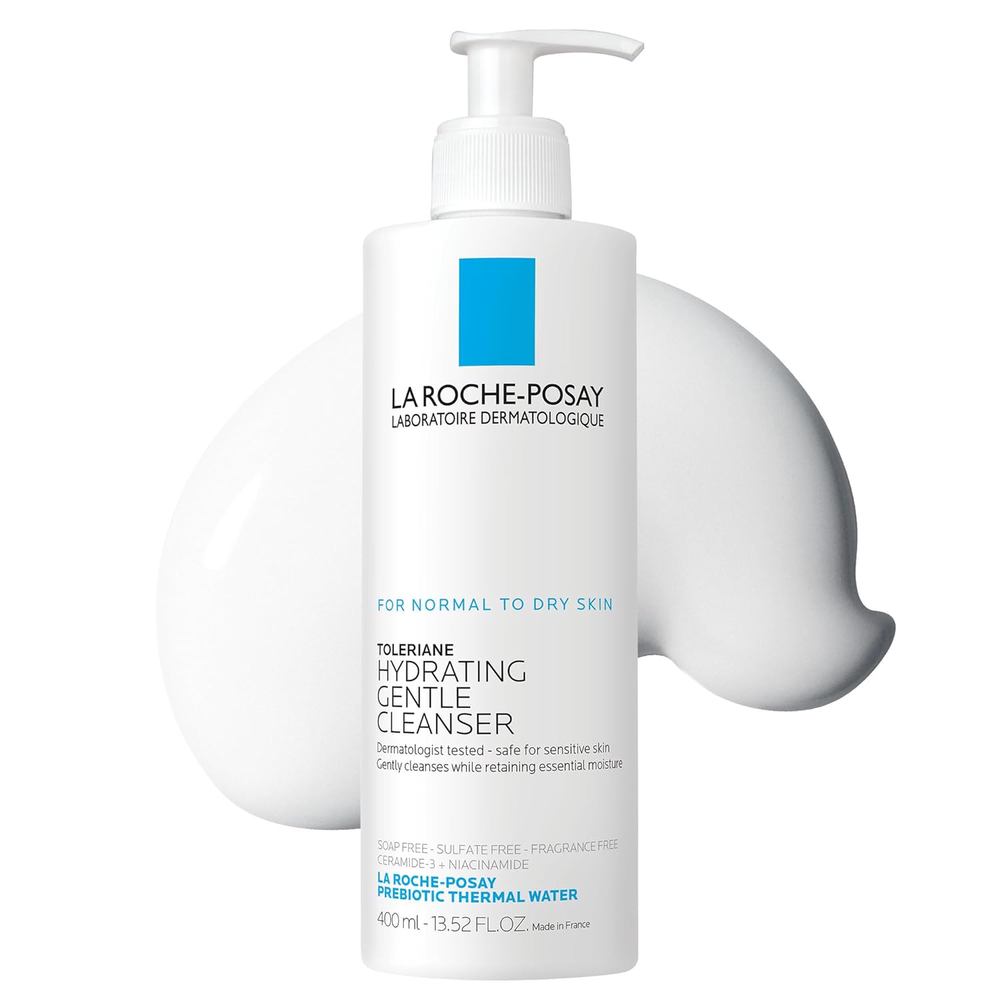
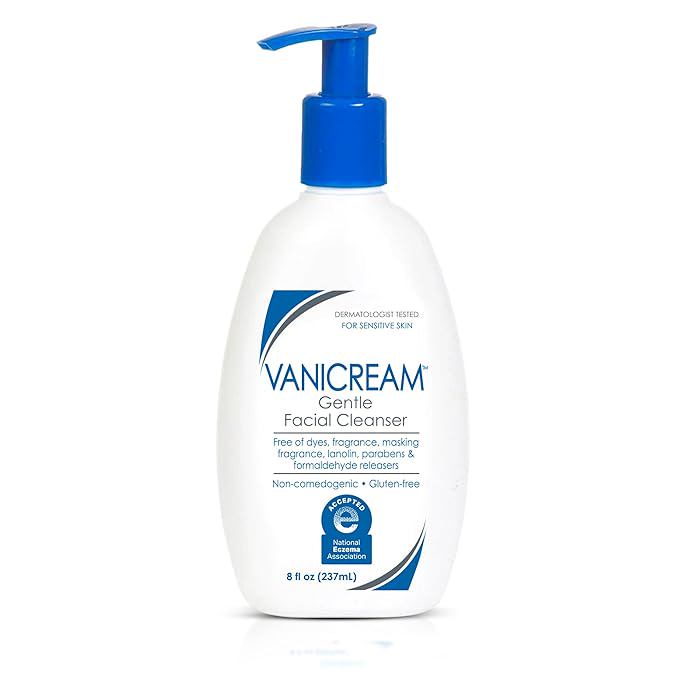
- Cleanse with care: Use a gentle, non-foaming, hydrating cleanser. The goal is to remove impurities without that tight, squeaky-clean feeling, which signals your natural oils have been stripped away.
- Actives are allies, not artillery: Incorporate one active ingredient at a time, and start slowly. A leave-on benzoyl peroxide product (at 2.5% or 5%, not 10%) or a prescription retinoid like adapalene can be effective, but they must be introduced gradually, perhaps just two nights a week to start, always followed by a moisturizer.
- Moisturize is non-negotiable: A good, non-comedogenic moisturizer helps repair and maintain the barrier, reducing overall inflammation and making your skin more tolerant to treatment. Look for ingredients like ceramides, niacinamide, or glycerin.
Mistake 2: Picking, Pressing, and Prodding
This is perhaps the most tempting and most damaging mistake. The cyst is there, a constant, painful presence. The desire to “bring it to a head” or simply try to manually relieve the pressure is overwhelming. But because a cystic pimple is encapsulated deep within the skin, there is no head to bring to the surface.
Picking or applying intense pressure does not extract it. Instead, you are:
- Rupturing the follicle wall deep under the skin: This spills inflammatory contents into the surrounding dermis, dramatically worsening the inflammation. The area becomes more swollen, red, and painful almost immediately.
- Greatly increasing the risk of scarring: The deeper the inflammation and trauma, the higher the likelihood of permanent textural changes—either depressed (atrophic) scars or raised (hypertrophic) scars. Post-inflammatory hyperpigmentation (dark spots) is also almost guaranteed.
- Introducing bacteria from your hands and nails: This can lead to secondary infection, prolonging the life of the blemish.
- Creating more inflammation signals: The trauma itself tells your skin to send more inflammatory cells to the area, potentially triggering new cysts nearby.
It’s a cycle of self-inflicted harm that turns one cyst into a weeks-long ordeal of healing and marks.
The Hands-Off Healing Strategy
Managing the impulse is hard, but the payoff for your skin is immense.
- Intercept the urge: Keep hydrocolloid patches on hand. Placing one over a cyst creates a physical barrier that stops you from picking. It also provides a moist healing environment that can help reduce redness and discomfort. While they don’t “suck out” deep cysts, they are excellent behavioral tools.
- Reduce inflammation topically: Instead of picking, apply a targeted treatment. A dab of benzoyl peroxide can help fight bacteria. Some find relief with a warm (not hot) compress for a few minutes to encourage circulation, followed by a cold compress to reduce swelling.
- Seek professional help: For a large, persistent cyst, a dermatologist can perform a safe, sterile injection of a low-dose corticosteroid. This rapidly reduces inflammation and shrinks the cyst within 24-48 hours, minimizing pain and scarring risk. It’s the single most effective way to treat an individual, stubborn cyst.
Building a Supportive Routine
Moving away from these two mistakes forms the foundation of a smarter approach. Your routine should feel comforting, not punishing.
Morning: Gentle cleanser or rinse with water, a lightweight moisturizer, and always a broad-spectrum sunscreen. Sun protection is critical, as inflammation and many treatments make skin more sun-sensitive, and UV exposure can worsen post-inflammatory dark spots.
Evening: Gentle cleanser to remove sunscreen and impurities. On nights you use a treatment (like a retinoid or benzoyl peroxide), apply it to dry skin, wait a few minutes, then layer a moisturizer over it. On other nights, focus on hydration and barrier repair with a simple moisturizer.
Remember, consistency with a simple, gentle routine is far more powerful than sporadic attacks with harsh products. Your skin’s healing ability is remarkable when you stop working against it and start working with it.