

5 foods dietitians recommend for supporting healthy ovulation
Discover five nutrient-rich foods dietitians recommend for supporting healthy ovulation, including full-fat dairy, fatty fish, leafy greens, legumes, and avocados.
Discover articles, guides, and practical insights for a healthier lifestyle.
Discover five nutrient-rich foods dietitians recommend for supporting healthy ovulation, including full-fat dairy, fatty fish, leafy greens, legumes, and avocados.

Learn how common STIs like chlamydia, gonorrhea, HIV, and syphilis are diagnosed. A clear guide to blood tests, urine tests, swabs, and what to expect during screening.

Two expert-backed lifestyle changes that may lower your risk of pelvic inflammatory disease: protecting your vaginal microbiome and making smarter choices about contraception and STI screening.

Irregular bleeding in your 30s can be unsettling. A gynecologist explains the most common causes—from hormonal shifts and fibroids to IUDs and perimenopause.

Two common daily habits—overcleaning and wearing synthetic underwear—can increase your risk for bacterial vaginosis, yeast infections, and UTIs. Learn how to protect your reproductive health with simple changes.

Avoid false negatives and extra clinic visits. Learn the three critical mistakes people make before a sexual health screening and exactly how to prep the right way.
Spotting early STI symptoms like unusual discharge, burning during urination, and genital sores can prevent complications. Learn what to watch for before your next screening.
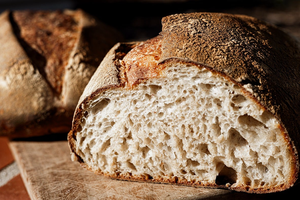
Learn about 5 foods that may help reduce common causes of recurrent yeast infections, including probiotics, antifungal foods, and anti-inflammatory options.
Discover which 2 drinks to limit before a sexual health screening appointment. Learn why alcohol and caffeine affect test accuracy and how to prepare optimally.


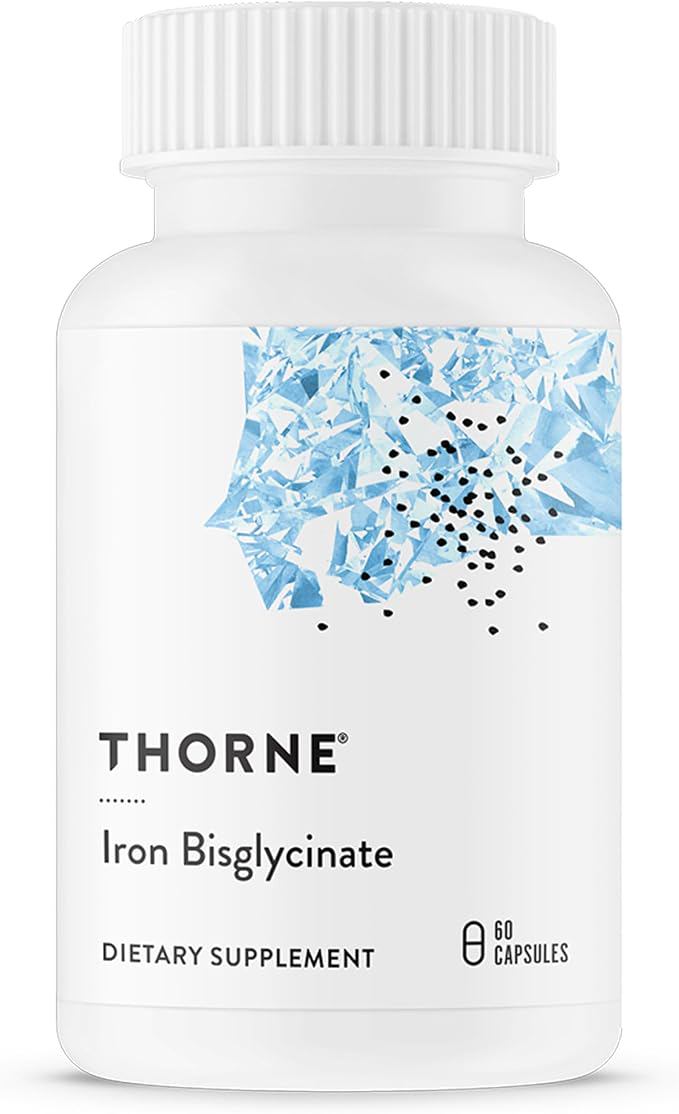
THORNE - Iron Bisglycinate - 25 mg Iron Supplement for Enhanced Absorption Without Gastrointestinal Side Effects* - Chelated Iron Capsules - NSF Certified for Sport - Gluten-Free - 60 Servings
Check it out
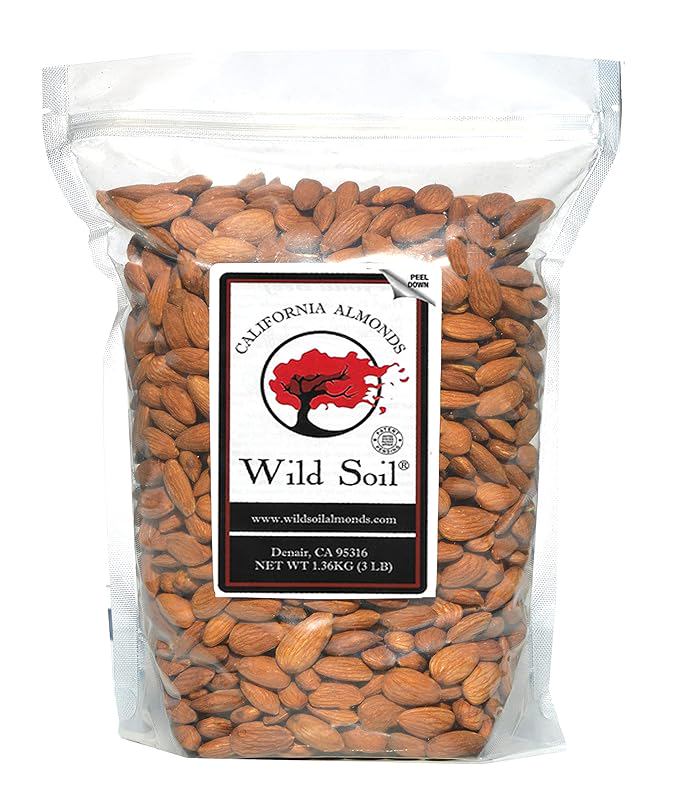
Wild Soil Terra Preta Almonds – Higher Protein and Higher Vitamin E Than Other Almonds, Beyond Organic: Eco Farmed with Proprietary Root Technology, Raw
Check it out