
Recurrent yeast infections can feel like a frustrating cycle. While treatment often focuses on what to apply or take when symptoms flare, paying attention to daily diet may help address some of the underlying factors that allow Candida to overgrow. Research suggests that certain foods can help restore balance to the body's natural microbiome, reduce inflammation, and support the immune system. Here are five foods that may help reduce common causes of recurrent yeast infections, based on current nutritional science.
1. Plain yogurt with live cultures
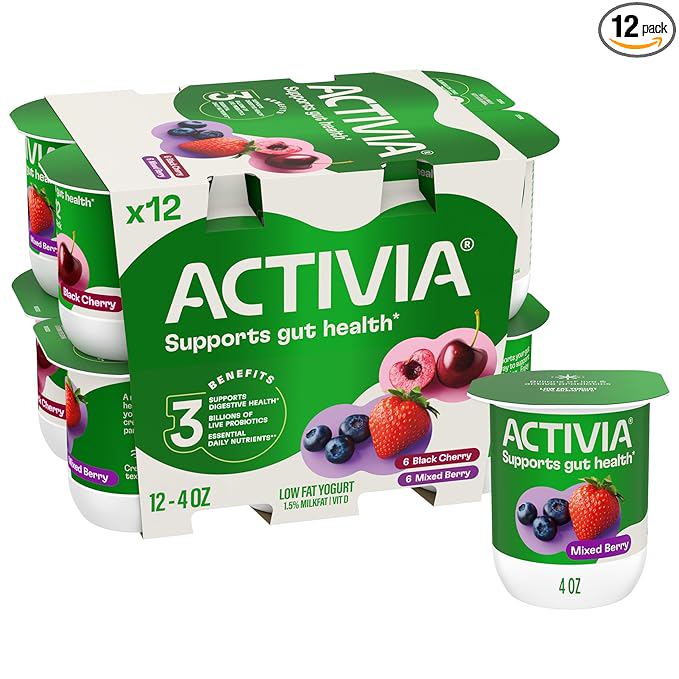
Yogurt that contains live Lactobacillus cultures is perhaps the most well-studied food for supporting vaginal health. Probiotics, especially strains of Lactobacillus, help maintain an acidic environment in the vagina that discourages Candida overgrowth. Look for plain, unsweetened yogurt—added sugar can feed yeast, defeating the purpose. Eating a serving daily may help replenish beneficial bacteria after antibiotic use or during times of stress, two common triggers for recurrent yeast infections.
2. Garlic
Garlic contains a compound called allicin, which has natural antifungal properties. Some laboratory studies have shown that garlic extract can inhibit the growth of Candida albicans, the most common culprit in vaginal yeast infections. While eating garlic alone isn't a treatment, incorporating fresh garlic into your meals regularly may help make your body less hospitable to yeast overgrowth. Crush or chop garlic and let it sit for a few minutes before cooking to activate its beneficial compounds.
3. Extra-virgin olive oil
Olive oil is rich in polyphenols and healthy fats that possess anti-inflammatory and antifungal properties. Some research suggests that the compounds in extra-virgin olive oil can interfere with the ability of Candida to form biofilms—protective layers that make infections harder to clear. Including olive oil as your primary cooking oil or using it in salad dressings may support overall immune function and reduce the inflammation that often accompanies recurrent infections.
4. Fresh, non-starchy vegetables
Leafy greens, broccoli, bell peppers, zucchini, asparagus, and similar vegetables are low in sugar and high in fiber, vitamins, and antioxidants. Candida thrives on sugar, so reducing dietary sugar is one of the most effective dietary strategies for preventing yeast overgrowth. Non-starchy vegetables provide key nutrients like vitamin C, which supports immune function, and magnesium, which helps regulate stress hormones that can disrupt the microbiome. Aim to fill half your plate with these vegetables at meals.
5. Fermented foods
Foods like sauerkraut, kimchi, kefir, and kombucha are natural sources of probiotics. Unlike supplements, fermented foods deliver a variety of bacterial strains and often prebiotic fibers that feed good bacteria. Eating fermented foods regularly may help diversify your gut microbiome, which in turn supports vaginal health through what researchers call the "gut-vagina axis." Choose unpasteurized versions when possible, as pasteurization can kill beneficial bacteria.
Quick note on timing: Dietary changes work slowly. You may not notice benefits for several weeks. These foods are meant to support prevention and reduce recurrence risk—they are not a substitute for medical treatment during an active infection.
A balanced diet that limits refined sugars and processed carbohydrates while emphasizing whole, nutrient-dense foods can help create an internal environment where Candida struggles to overgrow. While no single food will cure or prevent all yeast infections, combining these five foods with healthy lifestyle habits—like wearing breathable cotton underwear, avoiding unnecessary antibiotics, and managing stress—may lower your risk of recurrent episodes. Always talk with your healthcare provider if you experience frequent yeast infections, as there may be underlying medical causes that need attention.