Stopping birth control pills can feel like a homecoming—or a hormonal ambush. For many women with polycystic ovary syndrome (PCOS), the months after quitting oral contraceptives bring a return of original symptoms, sometimes more intensely than before. While the pill can effectively mask PCOS by providing a steady dose of synthetic hormones, it does not cure the underlying condition. When those hormones are removed, the body's natural (and often imbalanced) rhythm reasserts itself. Dietitians who specialize in PCOS see this pattern frequently and point to several common dietary and lifestyle triggers that can fuel flare-ups during this transition.
Understanding why these flares happen—and which everyday choices can either help or worsen them—is the first step toward managing symptoms without the pill. Below, we break down the root causes and the nutritional strategies that can make the shift smoother.
Why PCOS Symptoms Come Roaring Back After the Pill
Oral contraceptibles suppress ovulation and provide a consistent level of estrogen and progestin. This often quiets hallmark PCOS symptoms such as irregular cycles, acne, and hirsutism. Once you stop, the pituitary gland resumes its normal signals to the ovaries, and if you have PCOS, those signals are often disrupted. Testosterone levels may rise, luteinizing hormone can spike, and the ovaries may produce more androgens. The result? A so-called "post-pill flare" that includes missed periods, cystic acne, hair thinning, and mood swings.
Dietitians stress that this is not a new disease—it's the same PCOS that was being managed pharmacologically. The key is to identify which factors are driving the hormonal chaos now that the external hormones are gone.
High Blood Sugar and Insulin: The Primary Culprit
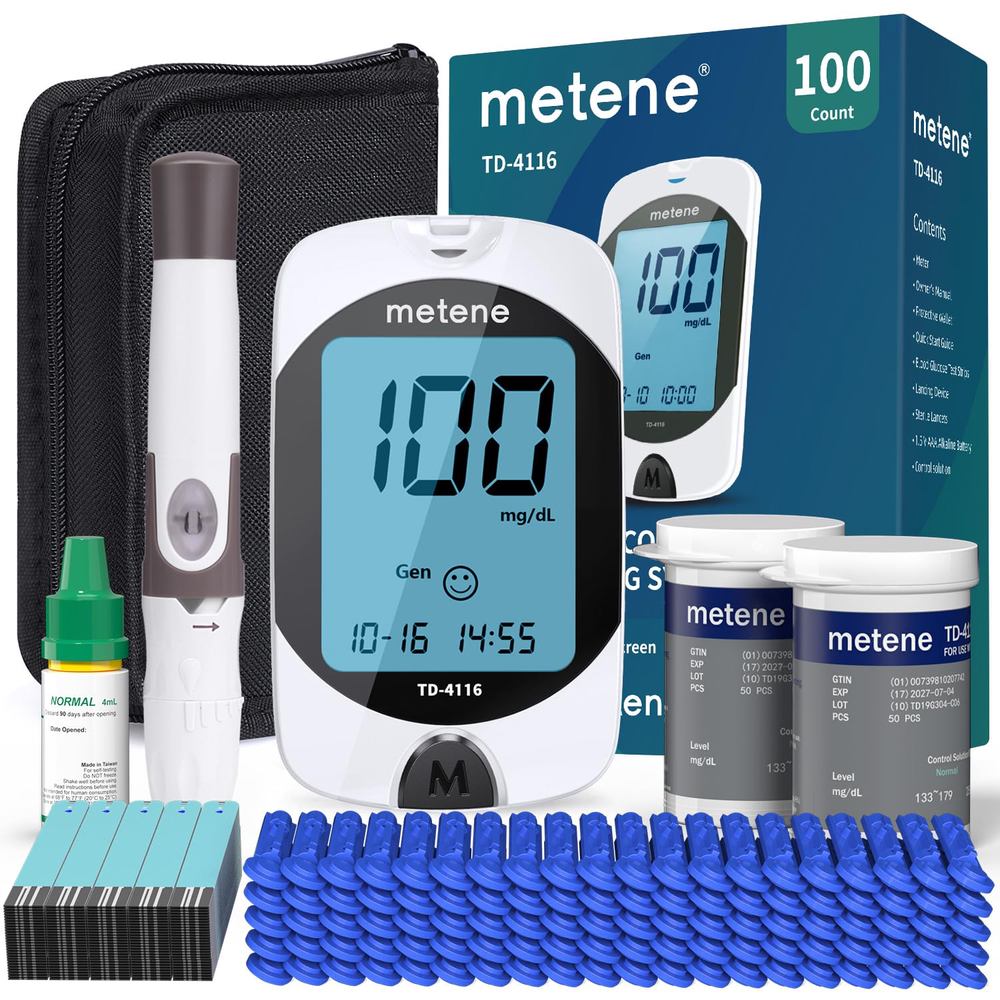
Between 50 and 70 percent of women with PCOS have some degree of insulin resistance, and quitting the pill can unmask this metabolic issue. Without the synthetic estrogen helping to regulate glucose metabolism, blood sugar levels may swing more dramatically. When you eat a meal high in refined carbohydrates—white bread, sugary drinks, pastries—your body releases extra insulin to manage the glucose spike. High insulin, in turn, signals the ovaries to produce more testosterone, exacerbating acne, hair loss, and ovulation disruption.
A dietitian’s rule of thumb: If it spikes your blood sugar quickly, it can trigger a PCOS symptom cascade. Focus on protein, fiber, and healthy fats at every meal to blunt those spikes.
Common dietary triggers to watch include:
- Sugary beverages (soda, sweetened coffee, fruit juice)
- Refined grains (white rice, pasta, most breakfast cereals)
- Low-fat “diet” products that replace fat with sugar
- Processed snacks like crackers, chips, and granola bars
Inflammatory Foods and the Gut-Hormone Connection
Chronic low-grade inflammation is a hallmark of PCOS, and it often worsens after stopping oral contraceptives because the pill had been suppressing some inflammatory markers. Diet can either amplify or calm that inflammation. Foods high in trans fats, industrial seed oils (soybean, corn, sunflower), and advanced glycation end products (from highly processed or charred foods) can trigger inflammatory cytokines. These compounds interfere with insulin signaling and can worsen ovarian function.
Dietitians also point to the gut microbiome. The pill alters gut bacteria diversity, and when you stop, the microbiome may undergo a temporary disruption. A lack of prebiotic fiber (from vegetables, fruits, legumes) and fermented foods can allow inflammation to flourish. Symptoms like bloating, irregular bowel movements, and skin breakouts often trace back to this gut-hormone axis.
Grazing, Skipping Meals, and Unstable Blood Sugar
How often you eat matters as much as what you eat. Many women with PCOS fall into a pattern of skipping breakfast, eating a light lunch, then consuming a large dinner. This leads to long fasting windows that cause blood sugar to dip, followed by a large carbohydrate load that spikes it. For someone with underlying insulin resistance, this pattern is a recipe for high insulin and subsequent androgen production.
Dietitians recommend eating three meals per day with a protein-rich snack if needed, spacing meals no more than four to five hours apart. Consistent fuel intake keeps insulin levels steadier and prevents the surges that trigger PCOS symptoms. Protein at breakfast—eggs, Greek yogurt, a smoothie with whey or plant protein—is especially important because it sets a stable metabolic tone for the day.
Caffeine and Stress Hormones: A Double-Edged Sword
Caffeine is a frequent topic in PCOS nutrition counseling. While moderate coffee consumption is fine for many people, women who are prone to anxiety or high cortisol—common in PCOS—may find that caffeine worsens adrenal output. Elevated cortisol can increase blood sugar and, indirectly, insulin. The post-pill period is already hormonally volatile; adding high-dose caffeine (more than 200–300 mg per day, roughly two to three cups of coffee) can compound the problem.
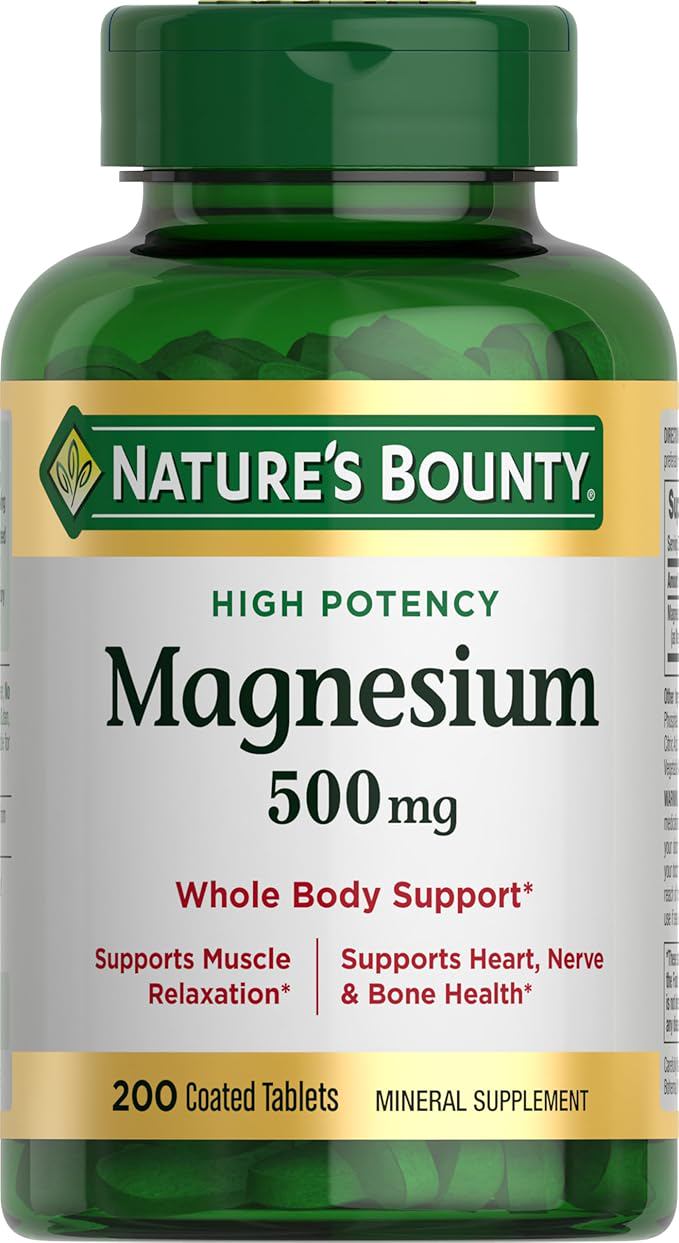
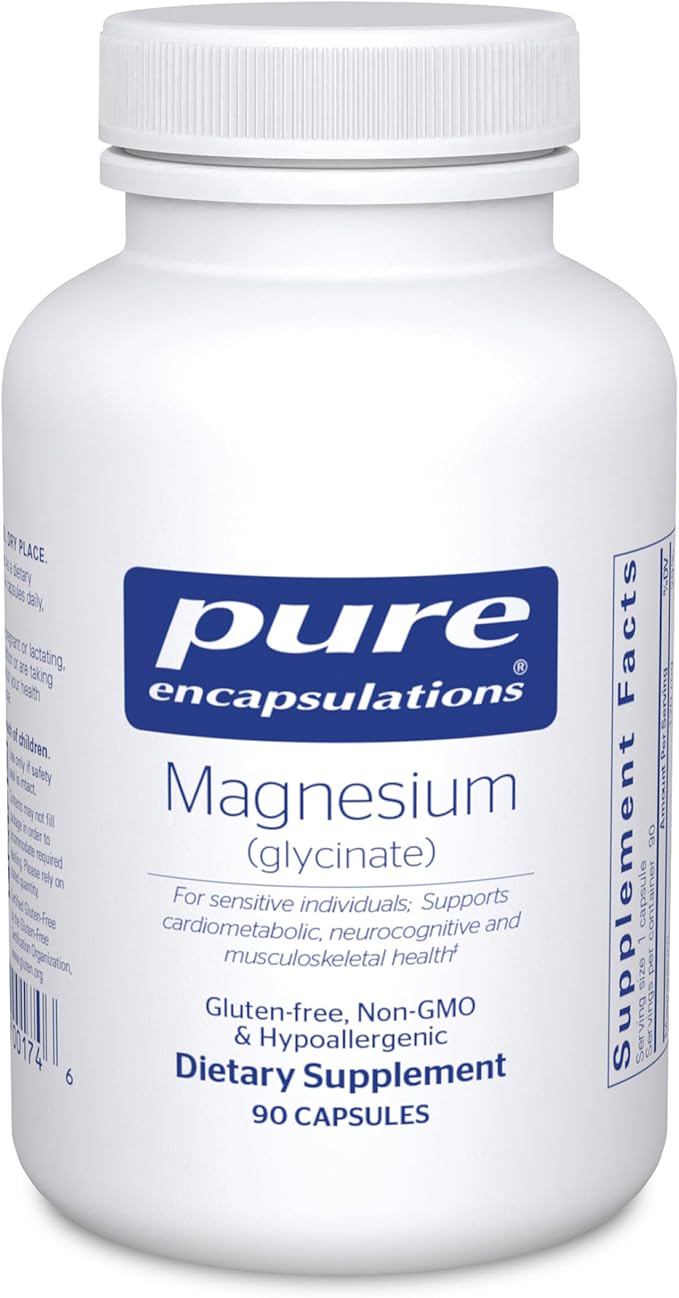
Dietary patterns that are low in magnesium and B vitamins (often depleted by the pill) also impair the body's ability to manage stress. Leafy greens, nuts, seeds, and legumes are good sources of these nutrients. A dietitian may suggest an emphasis on these foods during the first three to six months after stopping the pill.
Dairy and Soy: Individual Triggers Worth Testing
There is no one-size-fits-all rule about dairy or soy for PCOS, but some women report dramatic improvements when they reduce or eliminate one of them. Dairy can be inflammatory for some people, particularly if they have a sensitivity to A1 casein or lactose. For others, it is a valuable source of protein and calcium. Similarly, soy contains isoflavones that can weakly influence estrogen receptors. For a woman whose system is adjusting to the absence of synthetic estrogen, large amounts of highly processed soy (isolates in protein powders, soy milk, meat substitutes) may disrupt the delicate balance.
Dietitians advise an elimination trial: remove the food completely for two to three weeks, then reintroduce it and note any changes in bloating, acne, or cycle regularity. This personal data is more useful than blanket dietary restrictions.
The Role of Supplements in the Post-Pill Transition
While the focus here is on food, dietitians often recommend certain supplements to fill gaps that appear after discontinuing oral contraceptives. The pill depletes several nutrients, especially B vitamins (folate, B6, B12), magnesium, and zinc. A deficiency in any of these can worsen insulin resistance and mood symptoms. Inositol, a vitamin-like compound that influences insulin signaling, is one of the most researched supplements for PCOS, and it may be particularly helpful in the post-pill period.
No supplement replaces a solid diet, but targeted support can ease the transition. Always consult a healthcare provider before starting any new regimen, especially if you are already taking medications for blood sugar or mental health.
Practical Steps for a Smoother Transition
Managing PCOS after the pill is not about perfection. It is about consistency with the fundamentals. A dietitian who works with PCOS patients will likely emphasize the following:
- Eat protein with every meal to stabilize blood sugar
- Include a serving of non-starchy vegetables at lunch and dinner for fiber and micronutrients
- Choose low-glycemic carbohydrates like berries, quinoa, lentils, and sweet potatoes instead of white bread or sugary snacks
- Stay hydrated with water and herbal tea—dehydration can raise cortisol
- Prioritize sleep and restorative activities; high cortisol worsens all PCOS symptoms
Women who make these adjustments often see improvements within two to three menstrual cycles. The goal is not to erase PCOS but to reduce the flare-ups and help the body find its new balance without synthetic hormones.