Pelvic inflammatory disease (PID) can feel like a hidden threat—often developing without obvious symptoms until it has already caused damage. While medical treatment is essential for active infections, there is growing evidence that certain lifestyle habits can help lower your risk of developing PID in the first place. The two most impactful areas are protecting your vaginal microbiome and making smarter choices around contraception and screening.
Why lifestyle matters for PID prevention
PID usually starts when bacteria from the vagina or cervix travel upward into the uterus, fallopian tubes, or ovaries. Most cases are linked to sexually transmitted infections (STIs) like chlamydia and gonorrhea, but not everyone who contracts an STI develops PID. Your body's first line of defense is a healthy cervical mucus barrier and a balanced vaginal microbiome. Lifestyle factors that disrupt this balance—or increase your exposure to infections—can tip the scales toward PID.
Adjustment 1: Prioritize vaginal microbiome health
The vaginal ecosystem is delicate. When beneficial lactobacilli dominate, they produce lactic acid and hydrogen peroxide that keep harmful bacteria in check. Disruptions to this balance (a condition called bacterial vaginosis, or BV) have been strongly linked to an increased risk of PID. Here are expert-backed ways to support a healthy microbiome:
- Skip douching entirely. Douching washes away protective bacteria and alters vaginal pH, making it easier for pathogens to ascend into the upper genital tract. Multiple studies show that women who douche regularly have a significantly higher risk of PID.
- Choose breathable underwear and avoid irritants. Synthetic fabrics and scented feminine products can irritate vaginal tissue and disrupt the microbiome. Stick to cotton underwear and unscented, mild cleansers for the external area only.
- Manage BV promptly. If you notice a fishy odor, thin gray discharge, or itching, see a healthcare provider. Treating BV reduces the risk of it progressing to PID. Never rely on home remedies or over-the-counter products for BV—prescription antibiotics are the standard of care.
A 2021 review in the journal Sexually Transmitted Diseases found that women with bacterial vaginosis had a 2-to-3-fold higher risk of developing PID, even after adjusting for STI exposure.
Adjustment 2: Be intentional about contraception and STI screening
Your choice of birth control and your screening habits directly affect PID risk—not just by preventing pregnancy, but by influencing how infections move through the reproductive tract.
Barrier methods are your best defense
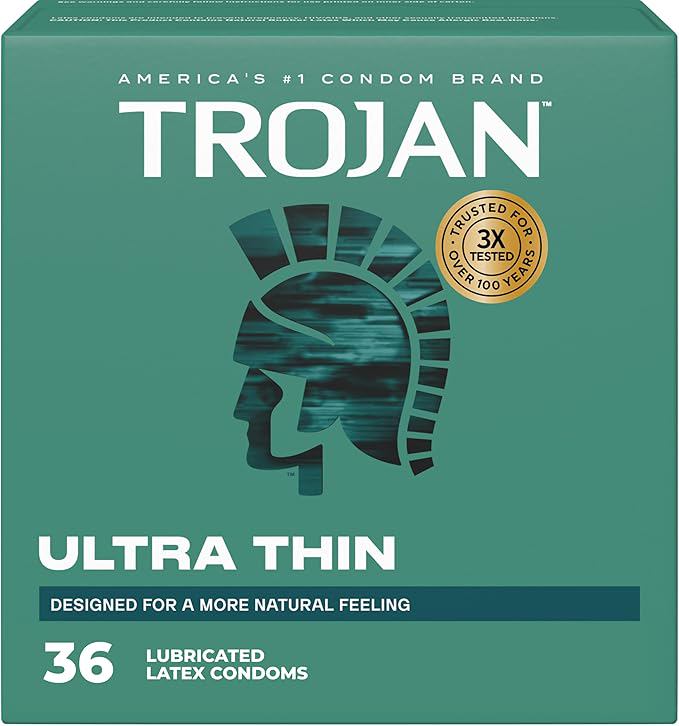
Condoms (male and female) are the only contraceptive method that also significantly reduces STI transmission. Consistent condom use lowers the risk of chlamydia and gonorrhea by about 50–60%, which in turn reduces PID risk. For women whose partners do not use condoms, the risk of developing PID after exposure to an STI is much higher.
Know how hormonal methods affect risk
Oral contraceptives and hormonal IUDs do not prevent STIs, but they may influence PID risk in opposite ways. Combined oral contraceptives thicken cervical mucus, which can help block bacteria from ascending—some research suggests a modest protective effect. Hormonal IUDs, on the other hand, do not thicken mucus and do not protect against PID. Copper IUDs have been associated with a slightly elevated risk during the first few weeks after insertion, though the overall long-term risk is low when screening is done beforehand.
Get tested at least once a year
Chlamydia and gonorrhea are often asymptomatic, especially in women. Annual screening for sexually active women under 25—and older women with risk factors such as new or multiple partners—is recommended by the CDC. Early detection and treatment of these STIs virtually eliminates the progression to PID. If you have a new partner, consider asking about their STI status and getting tested together.
A landmark study in the New England Journal of Medicine showed that chlamydia screening programs reduced PID incidence by over 30% in high-risk populations.
Small habits that reinforce prevention
Beyond these two main adjustments, a few everyday practices can further reduce your risk:
- Wipe front to back after using the bathroom to avoid transferring rectal bacteria to the urethra and vagina.
- Urinate after sex to flush out any bacteria that may have entered the urethra.
- Limit the number of sexual partners and communicate openly about STI testing. Fewer partners reduce cumulative exposure to potential pathogens.
- Don't ignore pelvic pain or unusual discharge. Even if you think it might be a yeast infection, see a clinician—lower abdominal pain combined with abnormal discharge is a classic PID warning sign.
When to see a healthcare provider
These lifestyle adjustments are about reducing risk, not replacing medical care. If you experience pelvic or lower abdominal pain, pain during sex, abnormal vaginal discharge with an odor, fever, or irregular bleeding, seek evaluation promptly. PID is treatable with antibiotics, but delaying treatment increases the chance of scarring, chronic pelvic pain, ectopic pregnancy, and infertility.
By focusing on microbiome balance and smart sexual health habits, you give your body a stronger defense against an infection that often works in silence. Small, consistent choices add up to meaningful protection.