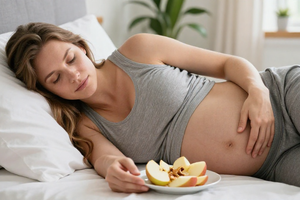
What to Eat for a Healthy Fetal Movement Kick Count, According to a Dietitian
Learn what foods and nutrients support healthy fetal movement. A dietitian explains how complex carbs, iron, magnesium, and hydration can encourage active kick counts.
Discover articles, guides, and practical insights for a healthier lifestyle.
Learn what foods and nutrients support healthy fetal movement. A dietitian explains how complex carbs, iron, magnesium, and hydration can encourage active kick counts.
Learn to recognize normal fetal movement patterns, when to start kick counts, and which changes warrant a call to your provider. Expert-backed advice for peace of mind.
Six specific warning signs of possible fetal distress including changes in movement, heart rate, pain, and bleeding. Know when to call your doctor during pregnancy.

Learn the 3 critical fetal movement warning signs that require an immediate call to your doctor. Recognize dangerous patterns in baby kicks for a safer pregnancy.

Avoid these two common fetal movement tracking mistakes. Learn how to count kicks accurately, interpret changes in movement, and know when to call your provider.
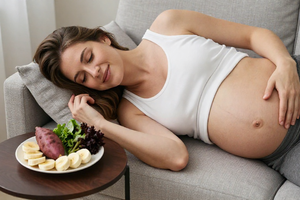
Learn which five foods can boost your baby's energy and responsiveness, making kick counts easier and providing essential nutrients for development.
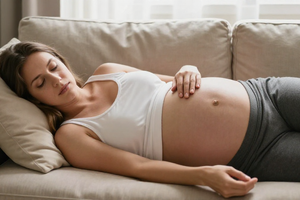
Learn the 4 critical warning signs of decreased fetal movement in pregnancy. When to call your doctor, how to do kick counts, and what changes need immediate care.

Learn about three types of drinks—caffeine, sugary beverages, and alcohol—that may reduce fetal movement in the third trimester, plus what to do if movement decreases.
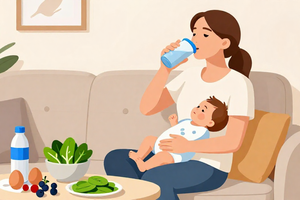
Learn how postpartum changes like blood volume shifts, tissue repair, and breastfeeding affect your nutrient needs—and what to eat to support recovery.


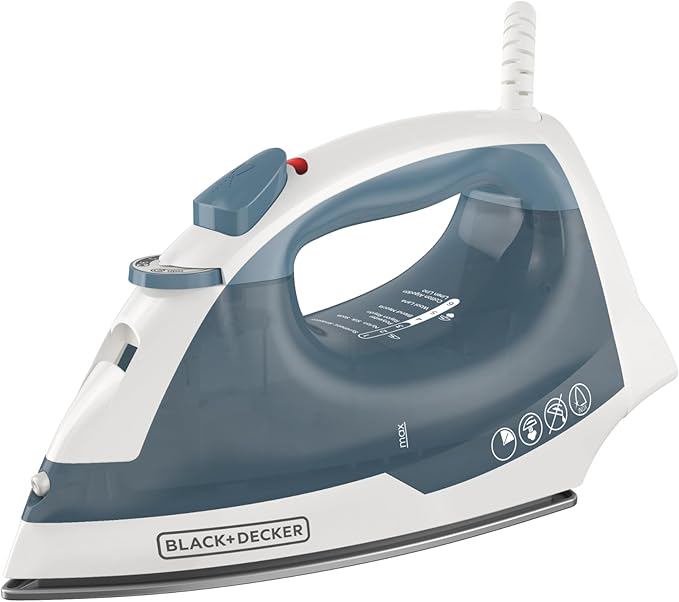
BLACK+DECKER Easy Steam Compact Iron for Clothes, Automatic Shutoff, Nonstick Plate, Light Weight, 1200 Watts
Check it out