Feeling your baby move is one of the most reassuring signs of a healthy pregnancy. Those flutters, rolls, and kicks are your baby's way of saying, "I'm here, I'm active, and I'm doing well." But what happens when the movements slow down? While a sudden decrease in movement always warrants a call to your healthcare provider, the food you eat can sometimes play a supportive role in your baby's activity patterns.
Let's be clear: a healthy baby will have its own sleep-wake cycles, and periods of quiet are normal. However, certain nutrients and eating habits can support optimal fetal oxygenation and energy, which in turn can encourage a more noticeable kick count session. Here is a dietitian-guided look at what to eat to support healthy fetal movement.
Why Blood Sugar Stability Matters for Kicks
Your baby gets all its energy from you. When your blood sugar levels are steady, you provide a consistent stream of fuel to your placenta. If your blood sugar drops too low (hypoglycemia), your baby may become less active as the energy supply wanes. This is why many healthcare providers recommend eating a small, balanced snack or meal before doing a kick count.
The goal is not to spike your blood sugar with pure sugar (which can cause a brief energy burst followed by a crash). Instead, aim for a combination of complex carbohydrates, protein, and healthy fats. This trio works together to release glucose slowly and steadily into your bloodstream, giving your baby a sustained source of energy to move.
Top Foods and Nutrients to Encourage Fetal Movement
Complex Carbohydrates for Energy
Whole grains are your best friend here. Think whole-wheat toast with avocado, a small bowl of oatmeal with berries, or a few brown rice crackers with nut butter. These foods provide a steady stream of glucose without the rollercoaster effect of refined sugars.
Your baby uses glucose as its primary fuel. When you eat a slow-digesting carb, your body releases glucose over several hours, which can help maintain a more consistent activity level in the womb.
Iron to Support Oxygen Transport
Iron is critical. It helps your red blood cells carry oxygen to your uterus and your baby. If you are low on iron (a common issue in pregnancy), your baby may receive less oxygen, which can lead to decreased movement.
Pair iron-rich foods like lean beef, spinach, lentils, or fortified cereals with a source of vitamin C (like a squeeze of lemon or a few strawberries) to boost absorption. A lentil soup with a side of bell peppers is a perfect example.
Magnesium for Muscle Function and Relaxation
Magnesium plays a role in both muscle contraction and relaxation. It also helps regulate blood sugar and blood pressure. Low magnesium levels have been associated with reduced fetal movement in some studies.
Good sources include dark leafy greens (kale, swiss chard), pumpkin seeds, almonds, black beans, and bananas. A small smoothie with spinach, banana, and almond milk can be a gentle way to get this nutrient.
Hydration: The Often Overlooked Factor
Even mild dehydration can reduce blood volume, making it harder for oxygen and nutrients to reach your baby. A well-hydrated mom supports a healthy amniotic fluid volume, which gives your baby room to move. Plus, your own blood pressure stays more stable.
Aim for water, herbal teas (like rooibos or ginger), and water-rich fruits like watermelon or oranges. Sip throughout the day rather than chugging a large amount at once.
Protein for Sustained Energy
Protein helps stabilize your blood sugar and provides amino acids that support your baby's growth. Including a source of protein at every meal and snack can help maintain a steady metabolic state.
Greek yogurt, cottage cheese, eggs, tofu, or a small handful of edamame are excellent options. A hard-boiled egg paired with a small apple is a simple, portable snack before a kick count session.
What to Avoid Before a Kick Count
While healthy eating supports movement, certain foods can actually work against it. Avoid large, heavy meals that divert blood flow to your digestive system (the "food coma" effect). Also, skip high-sugar items like candy, soda, or sweetened pastries — these can cause a rapid spike in your blood sugar, followed by a quick drop, which may lead to a sleepy baby.
Caffeine is another factor. While moderate caffeine is generally considered safe in pregnancy, too much can constrict blood vessels and temporarily reduce blood flow to the placenta. If you are doing a kick count, stick to water or decaffeinated drinks.
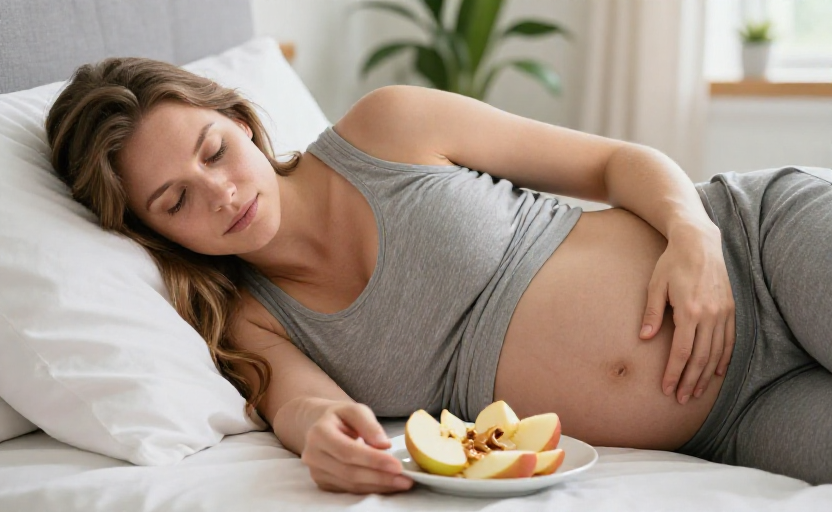
Dietitian Tip: If you notice your baby is less active, eat a balanced snack, lie down on your left side (which improves blood flow to the uterus), and focus on your baby for one hour. Most babies will have at least 10 movements in that time. If not, contact your provider.
Sample Pre-Kick Count Snack Ideas
These combinations are designed to provide steady energy and key nutrients for fetal movement:
- Apple slices with peanut butter: A classic mix of complex carbs, fiber, protein, and healthy fat.
- Small bowl of oatmeal with walnuts and blueberries: Whole grains, omega-3s, and antioxidants.
- Whole-wheat toast with mashed avocado and a sprinkle of flax seeds: Healthy fats, fiber, and magnesium.
- Greek yogurt with raspberries and a tablespoon of chia seeds: Protein, calcium, and iron (from chia).
- Handful of almonds and a small banana: Magnesium, potassium, and sustained energy.
When Food Isn't the Answer
It's important to recognize that diet is a supportive tool, not a diagnostic one. A sudden, noticeable decrease in your baby's movements — or a complete stop — is a medical concern. Never rely on food to "fix" a lack of movement if you feel something is wrong. Your baby's activity is influenced by many factors: sleep cycles, position in the uterus, and overall health. Eating well supports your baby's overall environment, but it cannot compensate for issues like placental insufficiency or cord compression.
Pay attention to patterns. Get to know your baby's usual rhythm. If you have any worries, do not hesitate to call your doctor or midwife. A quick check-up can provide peace of mind.
In short: a healthy diet rich in complex carbs, iron, magnesium, protein, and fluids can encourage a more active baby and make your kick count sessions more reliable. Pair good nutrition with proper positioning and a quiet environment, and you'll have a helpful routine for monitoring your baby's well-being.