
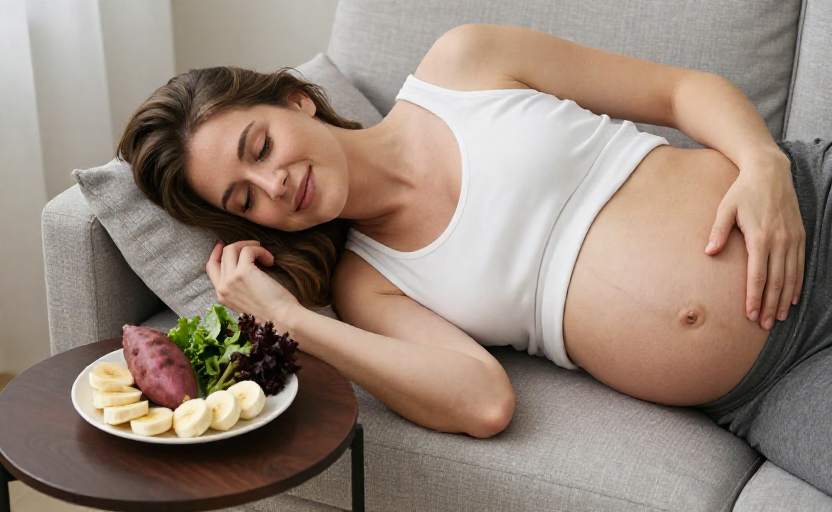
Feeling your baby move is one of the most reassuring parts of pregnancy. Those flutters, rolls, and kicks are not just sweet moments — they are a vital sign that your baby’s nervous system, muscles, and energy levels are developing as expected. When it comes time for kick counts, many moms wonder if what they eat can make a difference. The short answer is yes. Certain foods provide the steady fuel and nutrients your baby needs to be active and responsive.
While every pregnancy is different, and you should always follow your provider’s guidance on monitoring movement, the foods below can help support healthy fetal activity in a natural, nourishing way. Think of them as gentle tools to encourage a more alert baby during those daily check-in windows.
Why Does Food Affect Fetal Movement?
Your baby gets all their energy and building blocks from what you eat. After a meal, especially one that contains carbohydrates, your blood sugar rises. Some of that glucose crosses the placenta, giving your baby a quick energy boost. This is why many pregnant people notice increased movement shortly after eating. Additionally, nutrients like iron, magnesium, and protein support your baby’s developing muscles and nervous system, making them stronger and more capable of noticeable kicks.
1. Sweet Potatoes
Sweet potatoes are a powerhouse for steady energy. They are rich in complex carbohydrates that digest slowly, providing a sustained release of glucose into your bloodstream — and to your baby. Unlike sugary snacks that cause a spike and crash, sweet potatoes keep energy levels stable, which can lead to more consistent movement periods.
They are also packed with beta-carotene (which converts to vitamin A) for cell growth, vitamin B6 for nervous system development, and fiber to help with your digestion. Try roasted wedges, mashed sweet potato, or added to a veggie-packed hash for a satisfying meal before your next kick count session.
Tip: Pair sweet potatoes with a source of healthy fat, like a drizzle of olive oil, to help your body absorb beta-carotene more effectively.
2. Eggs
Eggs are one of the most complete protein sources you can eat, and protein is a fundamental building block for your baby’s growing muscle tissue. Stronger muscles mean stronger kicks. Eggs also provide choline, a critical nutrient for your baby’s brain and spinal cord development, which directly influences motor control and activity levels.
Including protein-rich foods like eggs in your meals helps maintain stable blood sugar, preventing the sluggish feeling that can come after eating processed carbs. A veggie omelet or a couple of hard-boiled eggs as a snack can provide the lasting fuel your baby needs for active wake cycles.
3. Oatmeal
Oatmeal is another excellent complex carbohydrate that offers a gentle, sustained energy release. It is particularly useful as a breakfast choice if you are trying to establish a morning kick-count routine. The soluble fiber in oats helps keep your blood sugar steady, which encourages your baby to wake up and move without a sudden jolt of sugar.
For added benefit, top your oatmeal with berries for antioxidants or a spoonful of nut butter for extra protein and healthy fats. The combination can help trigger a noticeable movement pattern that makes kick counts easier and more predictable.
4. Bananas
Bananas are nature’s fast-acting energy snack. They are rich in natural sugars (glucose, fructose) that your body uses quickly, providing a prompt energy transfer to your baby. This makes them a great choice when you need to check fetal movement and your baby is being quiet.
Bananas are also high in potassium, which helps regulate fluid balance and nerve function — both yours and your baby’s. The magnesium in bananas can also help relax your muscles while supporting healthy nerve signaling in your baby. For a quick kick-count helper, eat a ripe banana and lie down on your left side for 20 minutes, paying attention to what you feel.
5. Dark Leafy Greens (Spinach or Kale)
Iron is essential during pregnancy because it helps make hemoglobin, which carries oxygen to you and your baby. If your iron levels are low, babies can become less active because they are receiving less oxygen. Dark leafy greens like spinach and kale are excellent plant-based sources of iron, along with folate (vitamin B9) for neural tube development.
Your body absorbs iron from plants better when paired with vitamin C. Try a spinach salad with strawberries and a citrus dressing, or sauté kale with a squeeze of lemon. Consistently good iron levels support healthy energy metabolism in your baby, contributing to more regular and robust movement patterns.
How to Use These Foods for Kick Counts
Kick counts typically start around 28 weeks. Your provider may ask you to track how long it takes to feel 10 movements. To use food as a support tool, try eating one of the options above about 20 to 30 minutes before you plan to do your count. Lie on your left side (this improves blood flow to the placenta) and focus on the movements — kicks, rolls, swishes all count. If you do not feel at least 10 movements in two hours, contact your healthcare provider.
While these foods can help encourage your baby to be active, a persistently quiet baby — especially after meals that used to prompt movement — always deserves a professional check. Trust your instincts.
Getting the Most Out of Your Pregnancy Nutrition
Your daily diet lays the foundation for your baby’s growth and activity. Aim for a balanced mix of complex carbohydrates, lean protein, healthy fats, and plenty of vegetables. Staying hydrated is just as important — dehydration can make a baby sluggish. Pair these five foods with a consistent water intake, and you are giving your baby an excellent environment for healthy movement.