The weeks and months after childbirth bring a cascade of physical changes—many of which shift how your body uses and stores nutrients. While much of the conversation around pregnancy nutrition focuses on prenatal needs, the postpartum period has its own distinct demands. Understanding these shifts can help you support your recovery, energy levels, and long-term health without unnecessary guesswork.
Here are six key postpartum changes that directly affect your nutrient needs, along with practical ways to address them through food and lifestyle choices.
1. Blood Volume Returns to Pre-Pregnancy Levels
During pregnancy, your blood volume increases by roughly 40 to 50 percent to support the growing baby and placenta. After delivery, this extra volume is gradually reabsorbed or excreted. This change matters for nutrient needs: the iron that was once used to produce red blood cells for that larger volume is now redirected, but many new mothers still experience iron depletion.
If you lost blood during delivery—whether vaginal or cesarean—your iron stores may be lower than before pregnancy. Low iron can show up as fatigue, brain fog, shortness of breath, or feeling cold more easily.
What to focus on: Include iron-rich foods such as lean red meat, poultry, lentils, spinach, and fortified cereals. Pair them with vitamin C sources like citrus, bell peppers, or tomatoes to improve absorption. If your healthcare provider confirms low ferritin, they may recommend a supplement—always follow their guidance on dosage.
2. Tissue Repair and Uterine Involution
After childbirth, your uterus needs to shrink back to its pre-pregnancy size—a process called involution. This involves the breakdown and shedding of tissue, which demands protein and zinc for cellular repair. If you had a vaginal tear, an episiotomy, or a cesarean incision, your body needs additional protein to heal those wounds.
What to focus on: Aim for protein at each meal—eggs, Greek yogurt, cottage cheese, chicken, fish, tofu, beans, and lentils are all good options. Zinc, found in oysters, beef, pumpkin seeds, and chickpeas, supports wound healing and immune function.
3. Hormonal Shifts Affect Calcium and Bone Health
Estrogen levels drop sharply after delivery, and this decline can accelerate bone turnover. During breastfeeding, the hormone prolactin also suppresses estrogen, which may further affect bone mineral density. Many women lose some bone mass during lactation, though it typically recovers after weaning.
What to focus on: Maintain adequate calcium intake through dairy products, fortified plant milks, canned salmon with bones, or leafy greens like kale. Vitamin D is essential for calcium absorption; safe sun exposure, fatty fish, and fortified foods can help. Weight-bearing activity—once your healthcare provider clears you—also supports bone health.
4. Increased Fluid Needs for Milk Production
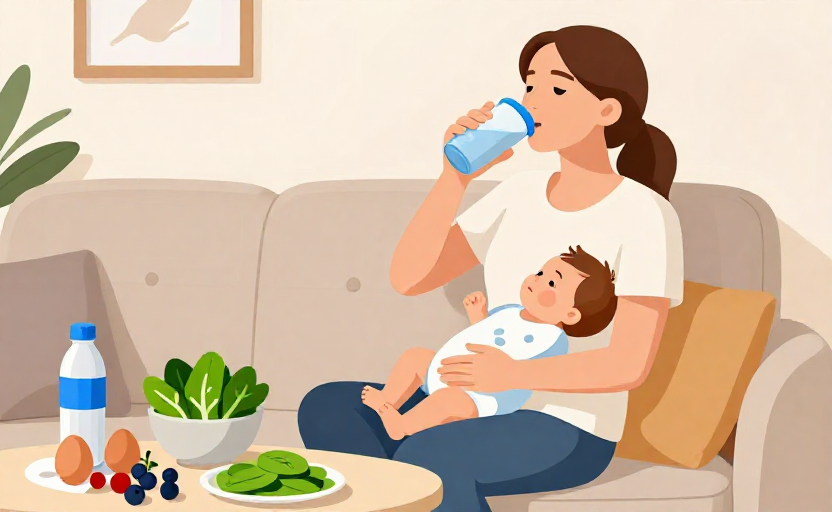
Breastfeeding demands significant fluid. Breast milk is about 87 percent water, and producing roughly 25 to 30 ounces per day can require an additional 30 to 40 ounces of fluid beyond your baseline needs. Dehydration can reduce milk supply and worsen fatigue, headaches, and constipation—common postpartum complaints.
What to focus on: Keep water accessible throughout the day—a large water bottle by your nursing station helps. Herbal teas, broths, and coconut water count too. There is no need to force excessive intake; simply drink when thirsty and ensure your urine is pale yellow.
A simple habit: drink a glass of water each time you nurse or pump.
5. Depletion of B Vitamins from Pregnancy and Lactation
Pregnancy and breastfeeding place heavy demands on B vitamins, particularly folate (B9), B6, and B12. These vitamins play a role in energy production, red blood cell formation, and nervous system function. Symptoms of low B vitamins can include fatigue, irritability, and low mood—which are easy to overlook amid the normal exhaustion of new parenthood.
What to focus on: Include sources such as eggs, poultry, fish, legumes, nuts, seeds, and leafy greens. If you follow a vegan or vegetarian diet, pay extra attention to B12, which is primarily found in animal products. Nutritional yeast, fortified plant milks, and supplements can help fill gaps.
6. Changes in Gut Motility and Microbiome
Digestion often slows down after childbirth, partly due to hormonal changes, reduced abdominal muscle tone, and the effects of pain medications or anesthetics. Constipation is common during the first few weeks postpartum. Additionally, the gut microbiome undergoes shifts from pregnancy through postpartum, which can affect nutrient absorption and immune balance.
What to focus on: Prioritize fiber-rich foods like oats, berries, pears, chia seeds, and vegetables to keep digestion moving smoothly. Fermented foods such as yogurt, kefir, sauerkraut, and kimchi provide probiotics that support gut health. Stay hydrated—fiber works best with enough fluid.
Remember that every postpartum recovery is different. Nutrient needs vary based on whether you are breastfeeding, your delivery method, any complications, and your baseline health. The most important step is to nourish yourself consistently, listen to your body, and discuss any concerns with your healthcare provider or a registered dietitian.