
You wake up, catch your reflection, and see it: a red, angry pimple that was not there last night. In that moment, your hand knows exactly what to do. It hovers. It itches. It wants to pick.
But that single decision—to pick or not to pick—is one of the most powerful factors in whether that pimple heals cleanly or leaves behind a permanent scar. As a health editor who has covered dermatology for years, I have seen how two very different habits set the stage for your skin's future. Here is the honest, research-backed breakdown of what actually happens beneath your fingertips.
What happens when you pick a pimple
When you squeeze or pick at a pimple, you are not just removing pus. You are physically tearing the skin's structural layers. Think of a pimple as a small, inflamed pocket. The inflammation has already made the surrounding tissue fragile—like wet paper. When you press or dig, you create a microscopic wound that extends deeper than the original blemish.
This is where scarring begins. The deeper the wound, the more collagen your body has to produce to repair it. Sometimes your skin makes too much collagen, resulting in a raised scar. Other times, it makes too little, leaving a sunken pit. Both are direct consequences of picking.
Bacteria and delayed healing
You are probably picking with your fingers, which carry bacteria even if you just washed them. By introducing new bacteria into the open wound, you essentially restart the inflammatory cycle. The area becomes more red, more swollen, and takes longer to heal. That week-long pimple can turn into a two-week scab followed by a month-long red or dark mark.
What happens when you leave a pimple alone
Leaving a pimple untouched is not passive neglect—it is active self-control that gives your immune system the space to do its job. Without interference, the white blood cells already at the site break down the bacteria and debris. The inflammation gradually subsides. Your skin then begins the slow, organized process of replacing damaged cells with fresh, healthy ones.
The general rule: A pimple left alone usually clears within 3 to 7 days. A picked pimple can take 2 to 4 weeks to heal—and that healing often includes a scar.
When leaving it alone is not enough
There is a catch. Some pimples—especially deep, painful cysts—will not resolve on their own without medical help. These are not the whiteheads you can gently wipe away. These are swollen, tender lumps under the skin. Leaving those untouched for weeks can lead to just as much inflammation as picking, because the pressure builds internally. In those specific cases, a board-certified dermatologist may need to perform a controlled drainage or inject a corticosteroid. That is not the same as bathroom-mirror squeezing.
The red mark vs. the true scar
One of the biggest points of confusion is the difference between post-inflammatory hyperpigmentation (a dark or red mark) and an actual scar. A red mark is a flat discoloration—no texture change. A scar has a visible indent or raised tissue. Dark marks typically fade on their own in weeks to months. Scars are permanent without professional treatment.
Picking dramatically increases your chance of turning a temporary mark into a permanent scar. The trauma of picking converts a pigment issue into a structural defect.
Two habits that determine your outcome
Habit one is obvious: picking. Habit two is subtler but equally important: how you care for the pimple you leave alone. The decision to leave it is only half the work. What you do next matters.
- Keep the area clean with a gentle, non-stripping cleanser twice a day.
- Apply a targeted treatment like salicylic acid or benzoyl peroxide once daily to reduce bacteria and calm inflammation.
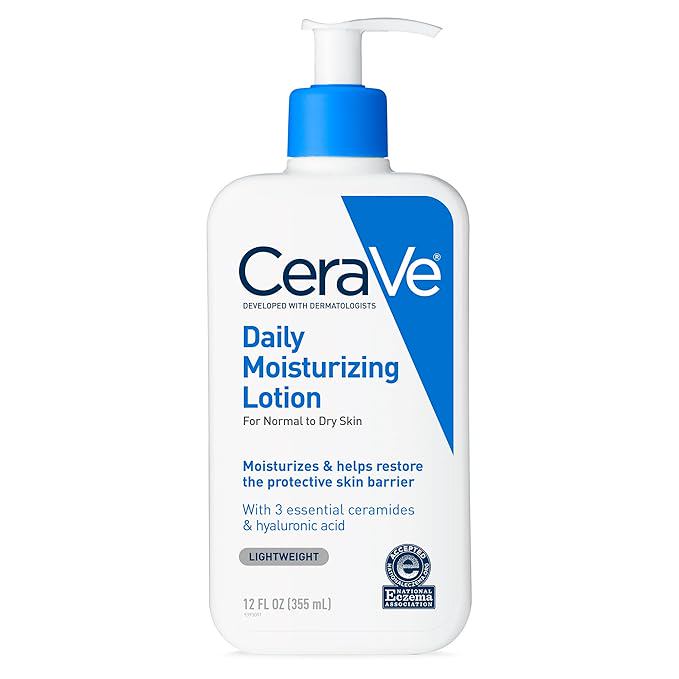
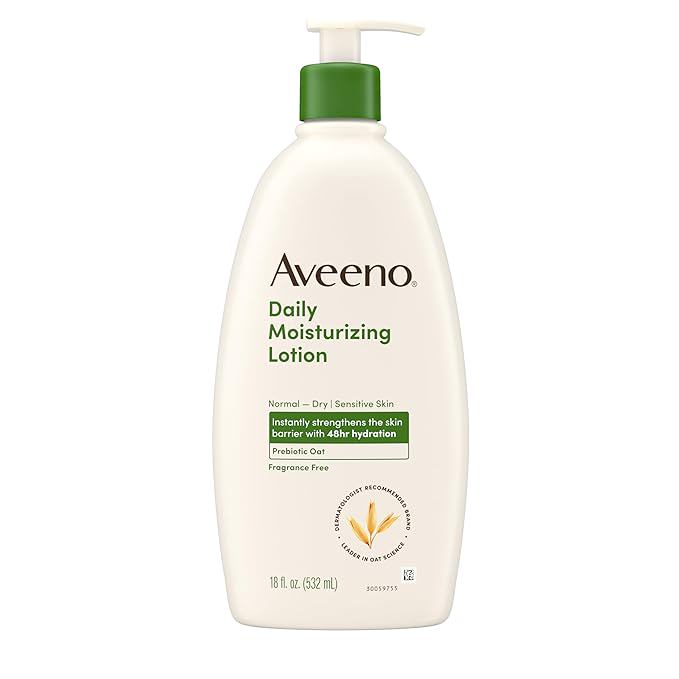
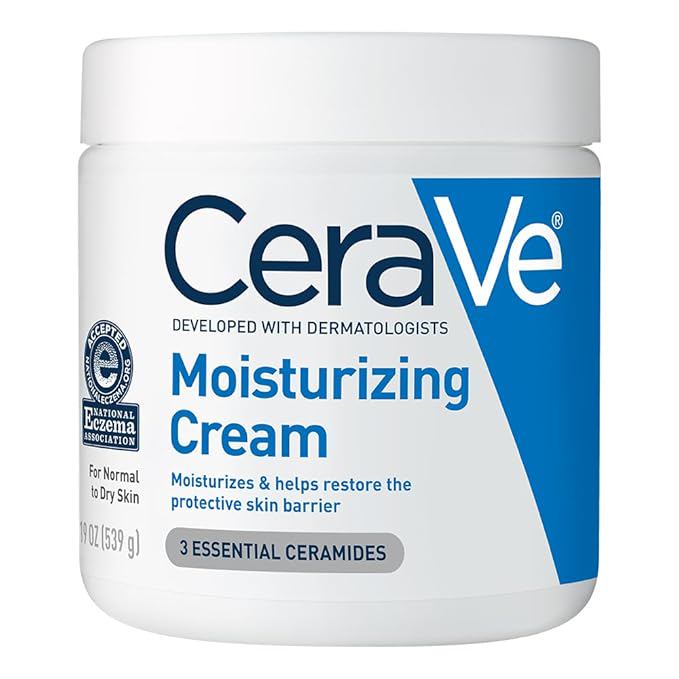
- Use a lightweight, non-comedogenic moisturizer to prevent the skin from over-drying, which triggers more oil production.
- Wear sunscreen every morning. UV exposure darkens healing spots and makes scars more noticeable.
These four steps do not involve bringing your fingers anywhere near your face. They create an environment where your skin can repair itself with minimal collateral damage.
Why picking feels so satisfying (and why that matters)
There is a neurological reason you pick. When you pop a pimple and see the pus come out, your brain releases a small burst of dopamine—a feel-good chemical. The act provides immediate, visible gratification. Unfortunately, your brain does not feel the future scar. It only registers the temporary satisfaction. Knowing this biological trick can help you pause. That satisfaction is a trap.
If you struggle to stop, try a physical barrier activity: apply a hydrocolloid patch. It covers the pimple, absorbs fluid, and keeps your hands off. It also gives you the visual feedback of seeing the patch turn white as it works—a healthier version of that satisfying release.
The bottom line on scars and pimples
You are not weak if you pick. You are human. But the evidence is clear: picking is the single most preventable cause of acne scarring. Leaving a pimple alone—while less instantly satisfying—gives your skin its best chance to heal without a permanent reminder. Focus on what you can control. Keep your hands busy elsewhere, protect the area with sunscreen and gentle care, and trust that the pimple will pass. The choice is simple, even if it is not always easy.