
That tender, throbbing bump on your jawline feels personal. It sits where your jaw meets your neck, right in the direct line of every mirror check and Zoom call. The urge to press, squeeze, or pick at it is almost automatic—like a reflex you can't unlearn. But here's the hard truth: that single moment of pressure can create a mark that lingers for months, while leaving it alone gives your skin a real shot at healing without a trace.
The difference between a healed pimple and a stubborn dark spot often comes down to one split-second decision. Understanding what actually happens beneath the surface can make it easier to stop your hand mid-reach.
What makes jawline pimples so tempting to pick
Jawline acne sits in a high-tension zone. The skin here is thicker than the delicate tissue around your eyes, but it's also constantly moving as you talk, eat, and turn your head. That movement creates friction, and friction makes the pimple feel more noticeable. Add in the fact that jawline breakouts are often deeper and more cystic than surface whiteheads, and you've got a recipe for an irritating, stubborn lump that practically begs to be handled.
But there's a biological reason why picking feels briefly satisfying. When you apply pressure, your brain releases a small burst of dopamine—a reward chemical. That temporary relief tricks you into thinking you've solved the problem, when in reality you've just made it worse.
Why picking creates dark marks (post-inflammatory hyperpigmentation)
The dark spot that appears after a pimple heals isn't a scar in the traditional sense. It's called post-inflammatory hyperpigmentation (PIH), and it's your skin's way of overreacting to trauma. When you squeeze or pick, you rupture the follicle wall and send inflammatory cells deep into the dermis. In response, your melanocytes—the cells that produce pigment—go into overdrive, depositing excess melanin in the surrounding area.
This process is especially common in deeper skin tones, where melanocytes are naturally more active. But it can happen to anyone. The resulting brown or purple mark can last anywhere from three to eighteen months, long after the original pimple has resolved.
A single pick can prolong a pimple's visible lifespan by weeks or months—not because of the pimple itself, but because of the pigment your skin creates in response to the injury.
What happens when you leave a jawline pimple alone
When you resist the urge to pick, your skin's natural healing process works as designed. White blood cells move in to clear bacteria and debris. The inflammation gradually subsides, and the pimple shrinks on its own over the course of a few days to a week. Once the area is calm, your body slowly breaks down any remaining congestion without the extra pigment response.
This doesn't mean the pimple disappears overnight. It will still go through its life cycle: it may come to a head, pop naturally in the shower, or simply reabsorb into the skin. But each of those outcomes leaves significantly less pigment behind than a forced extraction does.
The risk that many people don't consider is that picking a pimple that hasn't come to a head yet is the worst offense. A deep, unripe cyst should never be squeezed. Doing so can cause the contents to rupture inward, leading to a larger, angrier bump and a much higher likelihood of a dark mark.
The one mistake that causes dark marks every time
If there's a single error that guarantees a dark spot, it's picking at a pimple before it has formed a visible whitehead. When you squeeze a deep pimple, the pocket of infection doesn't release outward—it bursts sideways into the surrounding tissue. This triggers a massive inflammatory cascade that practically guarantees hyperpigmentation.
Even if you're careful, using fingernails, tools, or cotton swabs to apply pressure carries the same risk. The skin on the jawline is tough, which means you'll naturally apply more force to get the contents out. That extra force is exactly what causes the tissue trauma that leads to dark marks.
The moment you see a pimple on your jawline, you have a choice: pick it and likely end up with a persistent dark spot, or leave it alone and accept a shorter, less visible healing period. That's the entire equation.
What to do instead of picking
If you've decided to stop picking, you need a plan for the moments when the urge hits. Here are practical alternatives that protect your skin from hyperpigmentation:
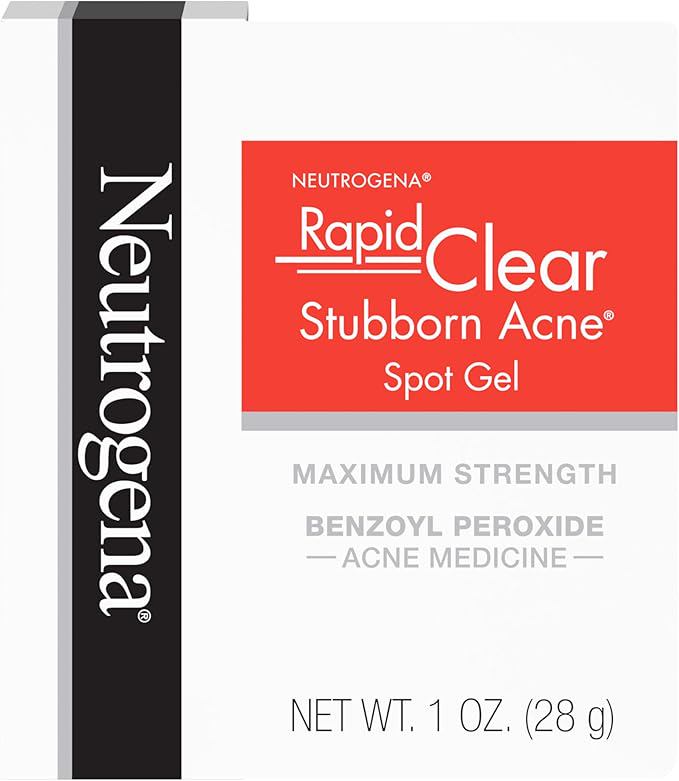
- Apply a spot treatment. A benzoyl peroxide or salicylic acid gel can reduce inflammation and speed up healing without any manual manipulation. Apply a tiny dot directly to the pimple once or twice a day.
- Use a hydrocolloid patch. These adhesive dots create a protective barrier over the pimple, reduce the urge to touch it, and absorb fluid if the pimple does open on its own. Change the patch once a day or when it becomes cloudy.
- Ice the area gently. Wrap an ice cube in a clean cloth and hold it against the pimple for 2–3 minutes. The cold reduces swelling and can decrease that hot, painful sensation that makes you want to pick.
- Distract your hands. Keep a stress ball, fidget toy, or even a small tube of hand cream nearby. The goal is to redirect the physical urge to touch your face into a neutral activity.
How to treat dark marks if they've already appeared
If you've already picked and now have a dark spot, don't panic. PIH is treatable, but it requires patience and consistency. The same habits that preserve dark marks include sun exposure, because UV rays darken existing pigment and slow healing. Wearing a broad-spectrum sunscreen of at least SPF 30 every day is the single most effective step you can take to fade a dark mark.
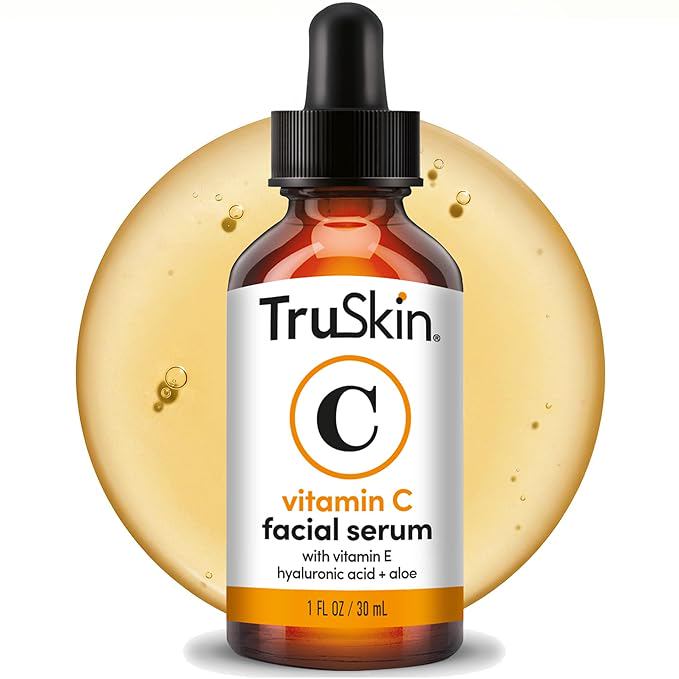
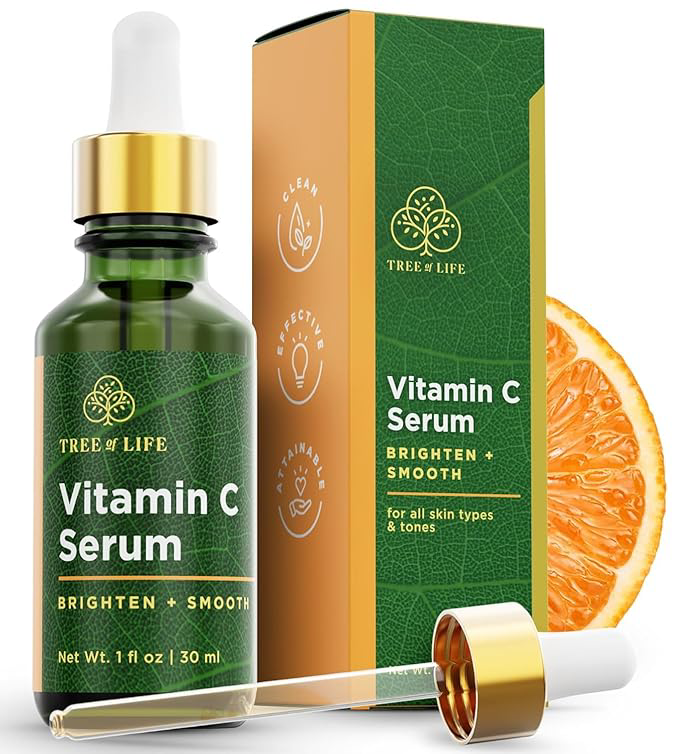
Topical ingredients that gradually lighten hyperpigmentation include vitamin C, niacinamide, and azelaic acid. These work by interrupting the melanin production process and encouraging cell turnover. With regular use, you can expect to see noticeable fading within 6 to 12 weeks, though stubborn marks may take longer.
Chemical exfoliants like glycolic acid and lactic acid can also help by sloughing off the top layer of pigmented skin cells. Start with a low concentration twice a week and increase frequency only if your skin tolerates it well.
The choice between picking and leaving a jawline pimple is rarely a single event—it's a pattern. Every time you resist the urge, you train your brain to tolerate the discomfort of waiting. And every time you succeed, your skin rewards you with a clearer, more even tone that no concealer can replicate.