
You spot a blackhead. Your fingers inch toward the mirror. It’s one of those tiny, familiar urges that feels almost automatic — and the decision you make in that moment can quietly shape the health of your pores for weeks to come.
Blackheads are a form of non-inflammatory acne called open comedones. They form when a pore becomes clogged with excess sebum and dead skin cells, and the top of the plug oxidizes upon contact with air, turning dark. They aren’t dirt. They aren’t a sign you’re “dirty.” They’re simply a common skin occurrence — and how you handle them matters more than most people realize.
What happens when you pick?
The urge to extract a blackhead is understandable: it’s visible, it feels like a imperfection you can “fix,” and the immediate satisfaction of seeing the plug come out can be oddly gratifying. But picking comes with consequences that aren’t always visible in the moment.
When you squeeze a blackhead with fingernails, you’re applying uneven, often excessive pressure to the pore. This can rupture the follicle wall below the skin, spilling its contents — bacteria, sebum, and skin cells — into the surrounding dermis. Your immune system responds with inflammation, which can turn a simple blackhead into a red, swollen pimple. This is how many people accidentally turn non-inflammatory comedones into inflammatory acne lesions.
Repeat picking also damages the collagen and elastin fibers around the pore, which can lead to permanent enlargement — the pore appears larger over time because the structural support has been stretched. Scarring, post-inflammatory hyperpigmentation (those dark spots that linger after a pimple heals), and sometimes even infection are other real risks.
Rough rule: if it requires force to extract, it’s not ready — and forcing it usually does more harm than leaving it alone.
What happens when you leave them?
Leaving a blackhead untouched doesn’t mean ignoring it forever. It means giving your skin’s natural shedding and renewal processes time to work. A healthy pore lining sheds dead cells continuously. Over several weeks, the contents of a blackhead can gradually move toward the surface and be shed during cleansing or gentle exfoliation — without trauma to the surrounding tissue.
The downside? It’s slow. A blackhead can linger for weeks or even months if your skin’s natural desquamation is sluggish or if you’re producing excess oil. But the trade-off is that the pore stays intact, inflammation stays low, and you avoid the cascade of damage that picking can trigger.
The middle path: safe extraction
Not all extraction is bad. Dermatologists and estheticians can perform professional extractions using sterile tools and proper technique — applying even, downward pressure around the comedone with a metal extractor. This method minimizes trauma when done correctly, though it’s still not zero-risk.
At home, if you choose to extract, the safer approach includes:
- Softening the skin first with a warm compress for 5–10 minutes.
- Using a sterile comedone extractor — never fingernails.
- Stopping if the blackhead doesn’t come out with gentle pressure.
- Cleaning the area afterward with a gentle, non-drying cleanser.
- Applying a soothing, non-comedogenic moisturizer or a spot treatment with ingredients like salicylic acid or niacinamide.
Even with these precautions, some dermatologists recommend leaving extraction to professionals, especially for blackheads on the nose or chin where pores are naturally larger and more prone to stretching.
Daily habits that support pore health
Whether you pick or not, the real determinant of pore health is your daily routine. Blackheads form because of a combination of oil production and cell buildup. Addressing both reduces the number of blackheads you have to think about in the first place.
Salicylic acid (a beta hydroxy acid) is oil-soluble and can penetrate into the pore to dissolve the plug. Using a salicylic acid cleanser or toner two to three times a week can help keep pores clear. Niacinamide helps regulate oil production and supports a healthy skin barrier. Retinoids (over-the-counter retinol or prescription tretinoin) speed up cell turnover, helping pores shed lining cells faster and prevent clogs.
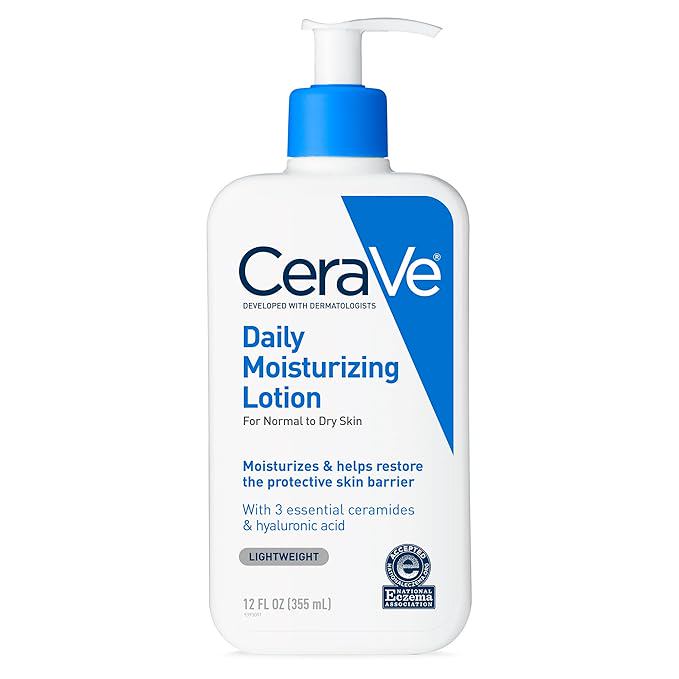
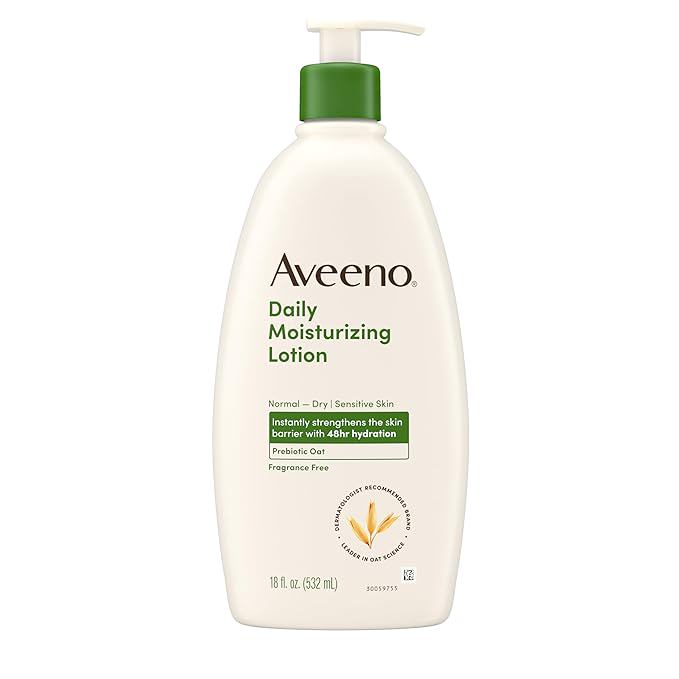
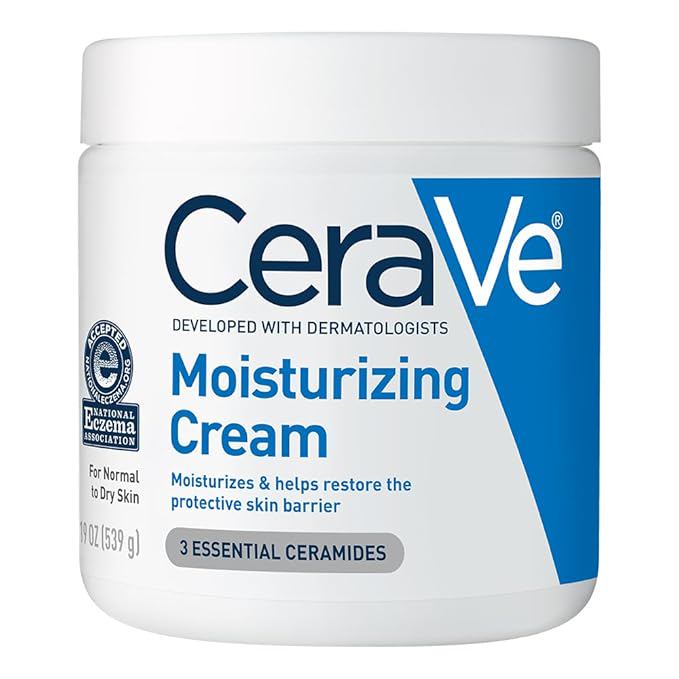
Moisturizing is equally important. When skin is dehydrated, it can overproduce oil to compensate, worsening the conditions for blackheads. A lightweight, non-comedogenic moisturizer supports balance without clogging.
When to see a professional
Frequent blackheads that don’t respond to home care, or that cause dark spots (post-inflammatory hyperpigmentation) from previous picking, are worth discussing with a dermatologist or licensed esthetician. They can offer in-office treatments like chemical peels, microdermabrasion, or prescription-strength retinoids that address the root causes more effectively than at-home methods.
If you notice signs of infection — redness, warmth, swelling, or pus around a blackhead you’ve picked — seek medical advice. What started as a small comedone can become a larger problem without proper care.
In the end, the choice between picking and leaving comes down to a simple truth: squeezing gives immediate gratification but often harms the pore’s long-term structure. Leaving it gives your skin time to do what it does naturally, even if it’s slower. The healthiest path usually falls somewhere in between — using preventive care and minimal, careful intervention when needed.