For those with oily or acne-prone skin, the end of the day doesn’t always mean the end of skin concerns. In fact, the hours you spend sleeping are a critical window for your skin to repair, rebalance, and reset. A thoughtful evening routine can calm daytime inflammation, regulate oil production, and prevent the clogged pores that lead to morning breakouts. It’s less about adding more products and more about consistency with the right, gentle steps.
Think of it as setting the stage for your skin’s overnight renewal process. By removing the day’s buildup and supporting your skin’s natural rhythms, you can wake up to a clearer, calmer complexion.
Why Nighttime Matters for Oily Skin
Your skin doesn’t clock out when you do. Overnight, its repair mechanisms kick into high gear. Cell turnover increases, and the skin works to heal damage and rebalance itself. For oily skin, this is the prime time to address excess sebum (oil) without the interference of makeup, pollution, or touching your face throughout the day. A dedicated nighttime routine helps clear the canvas, allowing active ingredients to work effectively and preventing pore-clogging residue from settling in for hours.
The Core of Your Evening Routine
An effective routine is built on a few foundational steps, performed in the right order. The goal is thorough cleansing, targeted treatment, and balanced hydration.
Start with a Double Cleanse
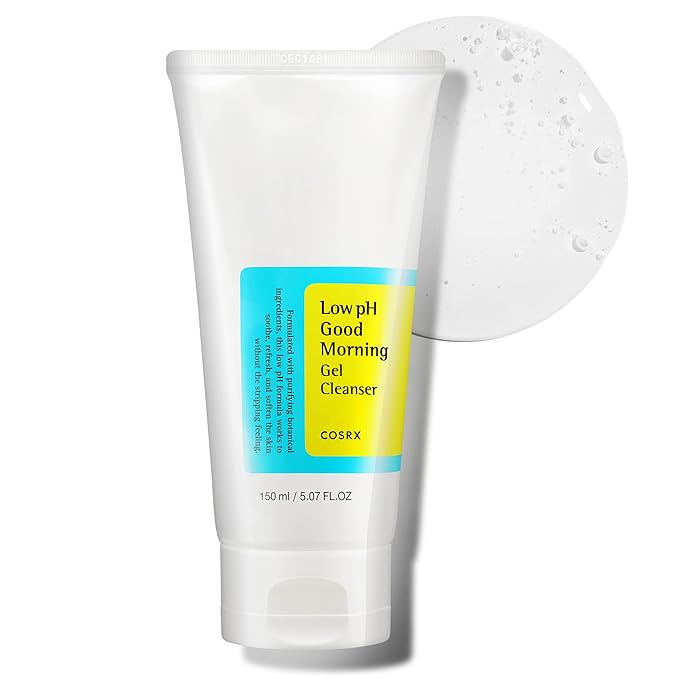
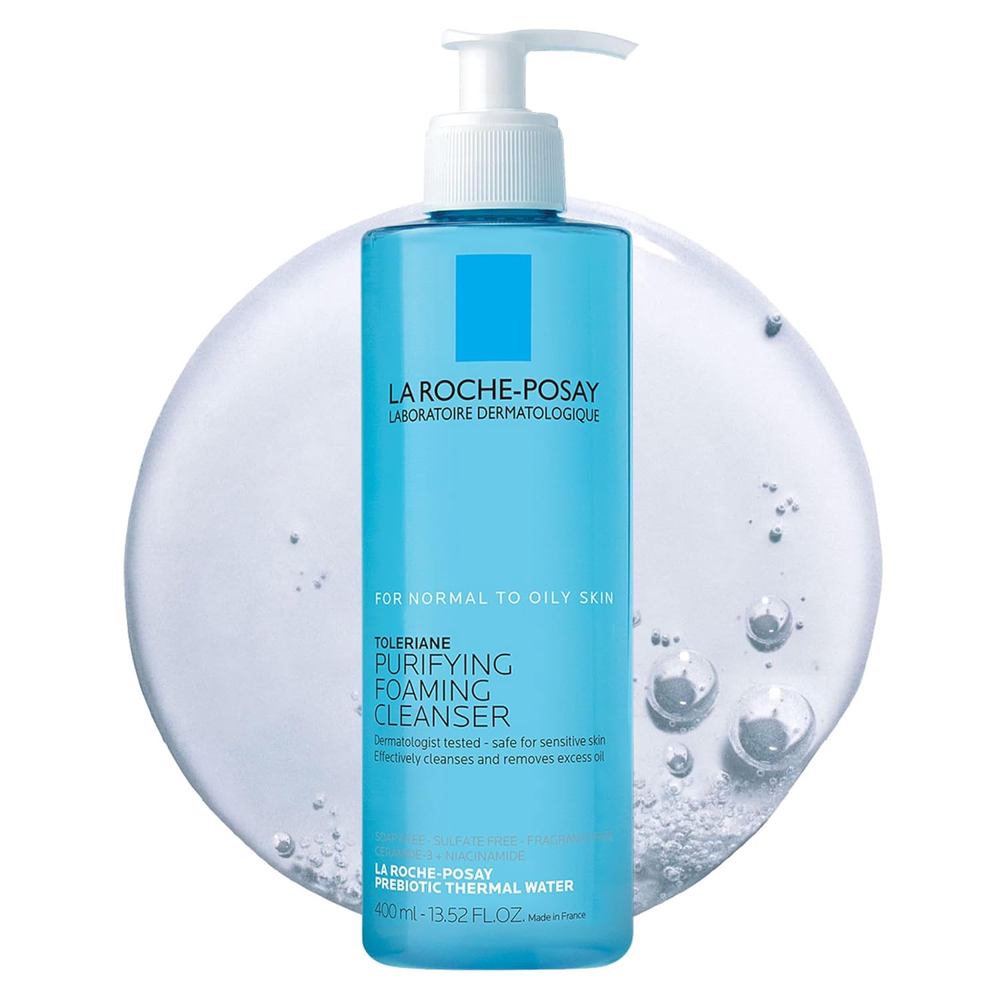
If you wear sunscreen or makeup, a single cleanse often isn’t enough. A double cleanse ensures you remove all pore-clogging substances. First, use a gentle oil-based or micellar water cleanser to dissolve sunscreen, makeup, and excess sebum. Follow this with a water-based, gentle foaming or gel cleanser suited for oily skin. This second wash removes any remaining impurities without stripping your skin’s essential moisture barrier.
Be gentle. Avoid harsh scrubbing, which can irritate skin and stimulate more oil production.
Incorporate a Treatment Step
After cleansing, this is when you can apply products with active ingredients designed to address oil and breakouts. Look for formulas containing ingredients like:
- Salicylic Acid: A beta-hydroxy acid (BHA) that exfoliates inside the pore lining, helping to clear out oil and dead skin cells.
- Niacinamide: Helps regulate sebum production, reduces redness, and improves the skin’s barrier function.
- Retinol (or its derivatives): Encourages cell turnover, prevents pores from becoming clogged, and can reduce oiliness over time. Start slowly, a few nights a week.
Apply a thin layer to dry skin, focusing on areas prone to oiliness and breakouts. Allow it to absorb fully before moving on.
Don’t Skip Moisturizer
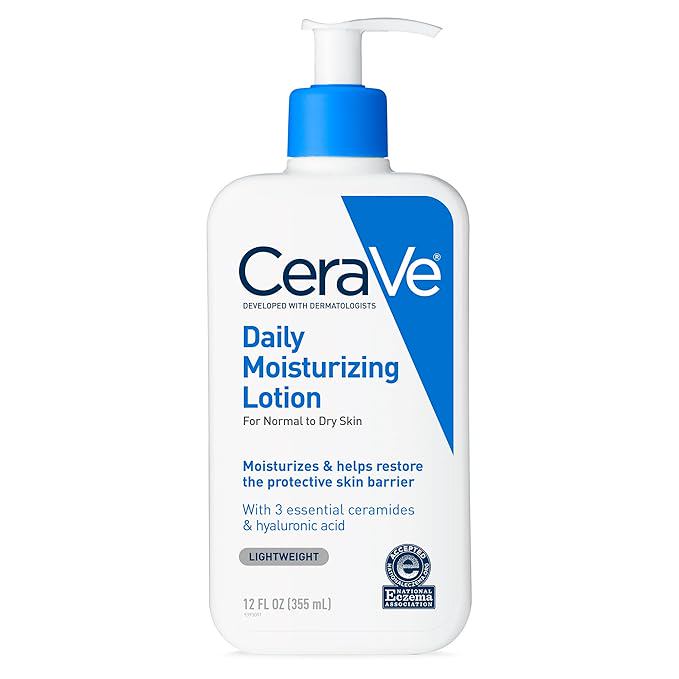
It’s a common myth that oily skin doesn’t need moisture. In reality, dehydrated skin can overcompensate by producing even more oil. The key is choosing a lightweight, non-comedogenic (won’t clog pores) moisturizer. Gel or water-based formulas are often excellent choices, providing hydration without a heavy, greasy feel.
Supportive Habits for Your Skin and Sleep
What you do around your skincare routine matters just as much. These habits help minimize irritation and support your skin’s health.
- Keep Your Pillowcase Clean: Change your pillowcase at least once a week. Oil, hair products, and bacteria transfer onto the fabric and back onto your skin night after night.
- Tie Long Hair Back: Keeping hair off your face, especially if you use styling products, prevents oils and residues from contributing to clogged pores along your hairline and cheeks.
- Resist the Urge to Touch: Avoid resting your hands on your face or picking at skin. This transfers bacteria and can cause inflammation, turning a small clog into a angry breakout.
- Manage Stress Before Bed: High stress can elevate cortisol levels, which may trigger increased oil production. A brief meditation, some gentle stretching, or reading a book can help signal to your body that it’s time to wind down.
Ingredients to Look For and Avoid
Being mindful of what’s in your products can make a significant difference. While everyone’s skin is unique, some general guidelines can help.
Seek out non-comedogenic labels and formulas with the actives mentioned above. Ingredients like hyaluronic acid are also beneficial, as they provide lightweight hydration.
It can be helpful to avoid heavy, occlusive ingredients like mineral oil or petroleum jelly in night creams meant for your entire face, as they may trap oil and dead skin cells in pores. Similarly, be cautious with heavy fragrances or alcohols that can be overly drying and irritating, potentially disrupting your skin’s barrier.
Consistency is your most powerful tool. A simple, gentle routine performed nightly is far more effective than an elaborate, harsh routine used sporadically. Pay attention to how your skin responds over several weeks. With patience and the right nighttime habits, you can support your skin in finding its natural balance, leading to fewer breakouts and a healthier-looking glow by morning.