
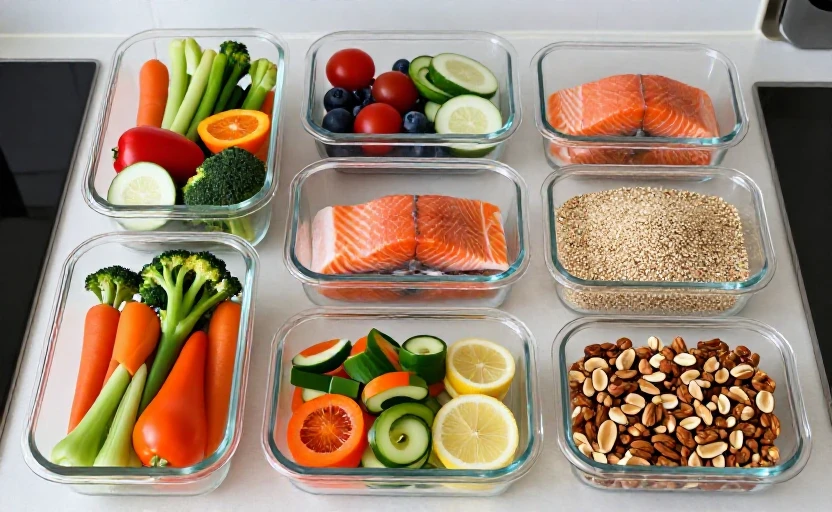
For many navigating the persistent discomfort of cystic acne, the journey often leads beyond topical treatments to the very core of daily life: what we eat. While no single food is a villain or a cure, a growing body of evidence and clinical experience suggests that the overall pattern of our diet can influence inflammation and hormonal fluctuations—two key drivers of deep, painful cystic breakouts. Thoughtful meal planning becomes less about restrictive elimination and more about building a consistent, nourishing foundation that supports your skin from the inside.
This approach isn't about finding a magic bullet overnight. It's a gentle, sustainable shift in how you organize your meals, focusing on foods that may help calm systemic inflammation and provide nutrients essential for skin repair and resilience. The goal is to create a stable dietary environment, reducing the spikes and crashes that can potentially aggravate skin conditions.
How does diet connect to cystic acne?
Cystic acne is deeply rooted in inflammation and often linked to hormonal activity. Certain dietary patterns can influence these underlying factors. Foods with a high glycemic index, for instance, can cause rapid spikes in blood sugar and insulin. This insulin surge may increase the production of skin oils and promote inflammation, creating an environment where cystic acne can flourish.
Similarly, some research points to a potential link between dairy consumption—particularly skim milk—and acne severity for some individuals, possibly related to hormones and growth factors present in milk. The connection is highly individual, not universal, but it's a relationship many dermatologists and patients explore.
The foundation of skin-supportive eating is consistency. Erratic meals and sugar spikes can be more problematic than any single food.
It's crucial to frame this not as a punitive diet, but as an experiment in nourishment. You're not "feeding acne"; you're learning which foods make your skin feel more settled and resilient. The emphasis is on addition—loading your plate with anti-inflammatory, nutrient-dense foods—rather than solely on subtraction.
Building a skin-supportive plate
When planning meals, visualize a plate that prioritizes balance and color. Aim for a combination that helps moderate blood sugar response and delivers key vitamins and minerals.
Focus on low-glycemic carbohydrates. Swap refined white bread, pasta, and sugary snacks for whole-food sources like quinoa, sweet potatoes, oats, legumes, and most fruits and vegetables. These break down more slowly, providing steady energy without the sharp insulin spike.
Include healthy fats. Omega-3 fatty acids, found in fatty fish like salmon and sardines, walnuts, flaxseeds, and chia seeds, are known for their anti-inflammatory properties. Incorporating these regularly can help counterbalance inflammatory processes in the body.
Don't shy away from colorful plants. The antioxidants and phytonutrients in deeply colored vegetables and fruits—think berries, leafy greens, bell peppers, and tomatoes—help combat oxidative stress, which can contribute to inflammation.
Choose lean and plant-based proteins. Options like chicken, turkey, tofu, tempeh, lentils, and beans support tissue repair without the saturated fats that can sometimes promote inflammation for some people.
Practical meal planning strategies
The theory is one thing; putting it into a busy weekly schedule is another. These practical steps can make a skin-supportive diet feel manageable, not overwhelming.
Start with a weekly template
Instead of planning seven unique dinners, create a simple template. For example: two fish nights, two poultry/legume nights, one vegetarian bowl night, one soup or stew night, and one flexible night. This reduces decision fatigue and makes grocery shopping predictable.
Batch-prep core components
Cook a large batch of a low-glycemic grain (like quinoa or brown rice), roast two trays of varied vegetables (broccoli, cauliflower, bell peppers), and grill or bake several servings of a protein. Stored separately in the fridge, these can be mixed and matched for quick lunches and dinners throughout the week.
Build balanced snacks
Prevent energy crashes and cravings by having ready-to-eat snacks that combine protein, fiber, and healthy fat. Apple slices with almond butter, a small handful of nuts and berries, or carrot sticks with hummus are stable choices that avoid the blood sugar rollercoaster.
Stay hydrated thoughtfully
Water is essential for all bodily functions, including skin hydration and detoxification pathways. Herbal teas like spearmint, which some find helpful for its potential anti-androgenic effects, can be a warm, comforting alternative to sugary drinks. The key is to make hydration easy—keep a water bottle at your desk and a pitcher of infused water (with cucumber or lemon) in your fridge.
Foods to be mindful of
While labeling foods as "good" or "bad" is unhelpful and can create stress, it can be useful to observe how your skin responds to certain common triggers. You might consider moderating your intake of the following, not necessarily eliminating them entirely, to see if it makes a difference for you.
- High-glycemic foods: Sugary cereals, white bread, pastries, soda, and candy.
- Dairy products: Some people notice improvements when they reduce milk, particularly skim milk. Fermented dairy like yogurt and kefir may be better tolerated.
- Whey protein powder: A common ingredient in fitness shakes, whey can be problematic for some people's skin due to its impact on insulin and IGF-1 levels.
- Highly processed foods: These often contain a mix of refined carbs, unhealthy fats, and additives that may promote inflammation.
If you choose to explore removing a food group like dairy, do so systematically for about 4-6 weeks while maintaining the rest of your balanced diet. Note any changes in the frequency or severity of deep cysts. Reintroduce it slowly to see if symptoms return. This process can help you identify personal triggers without unnecessary long-term restriction.
Maintaining a healthy relationship with food
Perhaps the most important tip of all is to cultivate patience and compassion. Dietary changes work gradually, alongside other treatments prescribed by your dermatologist. Stress and anxiety about food can themselves be inflammatory, so aim for progress, not perfection.
View your meal plan as a form of self-care, not a punishment. Celebrate the meals that make you feel energized and well. Keep a simple journal linking your diet, stress levels, and skin condition over time. The most valuable data comes from your own lived experience, guiding you toward a sustainable way of eating that supports both your skin and your overall well-being.