You’ve tried the right cleansers, the perfect toner, and maybe even a weekly clay mask, yet that persistent shine returns by midday. It’s a common frustration, and while skincare is crucial, the answer might not just be in your bathroom cabinet—it could be on your plate. The connection between what we eat and how much oil our skin produces is a growing area of interest, suggesting that managing oily skin is as much about internal balance as it is about topical care.
Sebum, the natural oil produced by your sebaceous glands, isn’t the enemy. It’s essential for keeping your skin hydrated and protected. The issue arises when production goes into overdrive, leading to that familiar greasy feeling, enlarged pores, and a higher likelihood of breakouts. While genetics and hormones are major players, emerging research points to diet as a significant modulator of this process. Certain foods can influence hormone levels and inflammatory pathways, subtly signaling your glands to ramp up oil production.
How does diet actually affect oil production?
It’s not as direct as eating a french fry and having oil immediately appear on your face. The process is more systemic. Foods, particularly those with a high glycemic index, can cause a rapid spike in your blood sugar. This spike triggers a corresponding increase in insulin and other hormones, like insulin-like growth factor 1 (IGF-1). These hormones can, in turn, stimulate the sebaceous glands and increase sebum production. Additionally, some foods may promote inflammation in the body, which can exacerbate skin conditions and influence oiliness.
Think of your diet as a background setting for your skin’s behavior—it doesn’t control every single action, but it sets the stage for how your skin responds to everything else.
Foods that may influence sebum levels
It’s important to approach this list not with fear, but with awareness. These are common dietary elements that, when consumed in large amounts, have been linked in studies to increased oiliness and acne. Moderation and balance are key.
High-glycemic foods
These are carbohydrates that break down quickly into sugar. Think white bread, pastries, sugary cereals, potato chips, and sodas. The rapid blood sugar and insulin response they provoke is one of the most well-documented dietary links to increased sebum production.
Dairy products
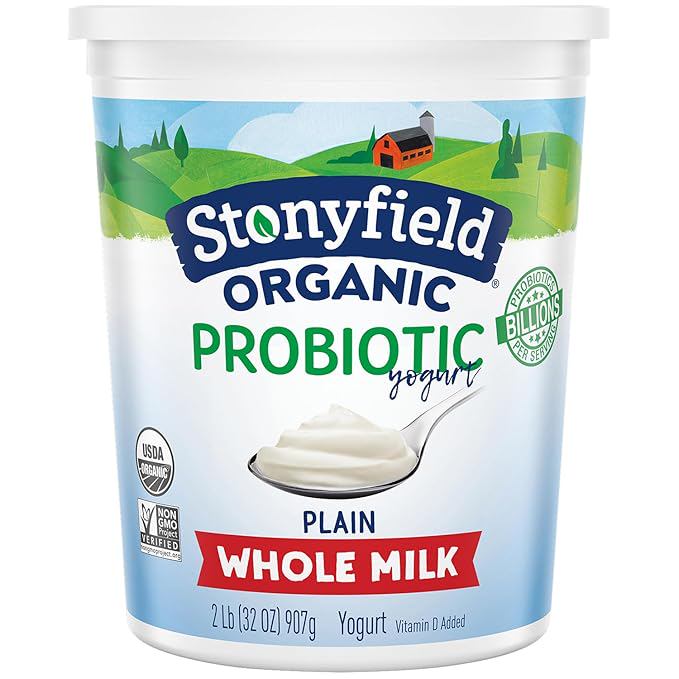
The relationship between dairy and skin is complex and individual. Some research suggests that milk, particularly skim milk, may be associated with increased oiliness and breakouts. The theory is that the hormones and bioactive molecules naturally present in milk might interact with our own human hormones, potentially influencing oil glands.
Certain fats
Not all fats are created equal. While healthy fats are essential for skin health, diets very high in saturated fats and trans fats (common in fried foods, processed snacks, and some baked goods) may promote an inflammatory state that can affect the skin. Some studies also point to a potential link between high intake of omega-6 fatty acids (found in many vegetable oils) relative to omega-3s.
What to include for a more balanced complexion
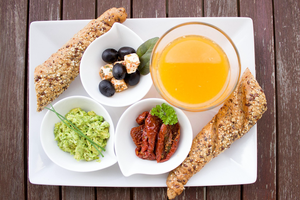
Shifting focus to what you can add to your diet is often more sustainable and positive than fixating on restrictions. These foods support overall skin health and may help moderate oil production by stabilizing blood sugar and reducing inflammation.
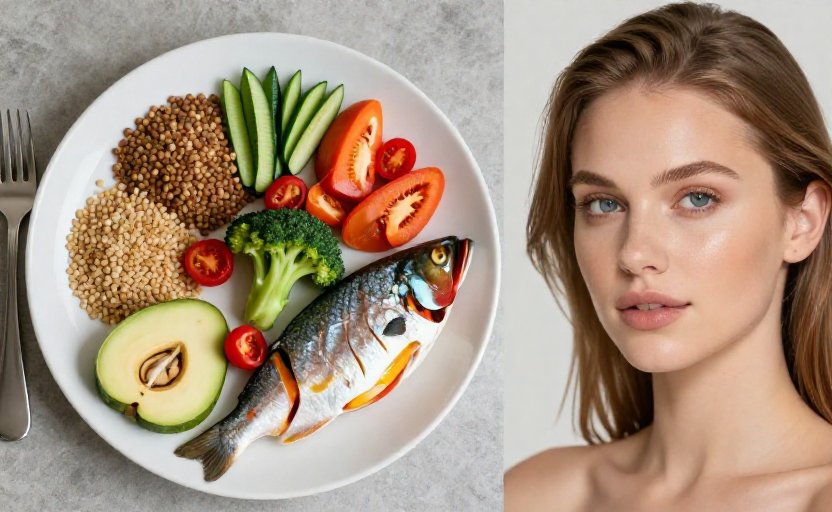
- Low-glycemic carbohydrates: Swap refined carbs for whole grains like quinoa, oats, and brown rice, along with legumes and sweet potatoes. They provide steady energy without the dramatic insulin spike.
- Antioxidant-rich fruits and vegetables: Colorful produce like berries, leafy greens, and tomatoes are packed with vitamins and antioxidants that combat inflammation and support skin integrity.
- Healthy fats: Avocados, nuts, seeds, and fatty fish like salmon provide omega-3 fatty acids, which are known for their anti-inflammatory properties.
- Zinc and vitamin A sources: Foods like pumpkin seeds, lentils, and spinach (for zinc) and carrots, sweet potatoes, and kale (for vitamin A) play roles in skin healing and regulation.
Putting it into practice
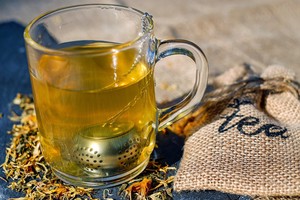
You don’t need a complete dietary overhaul to see a potential difference. Start with simple observations. Try keeping a brief food and skin journal for a couple of weeks, noting any patterns between your meals and your skin’s oiliness later that day or the next. From there, you might experiment with swapping one high-glycemic snack for a piece of fruit or a handful of nuts, or replacing a sugary drink with water or herbal tea.
Remember, hydration is fundamental. Drinking adequate water helps maintain all your body’s functions, including the health and balance of your skin. It’s a simple, yet powerful, supportive habit.
Ultimately, your skin is unique. What triggers excess oil for one person may not for another. Diet is one piece of a larger puzzle that includes genetics, stress, skincare routine, and hormonal cycles. If oily skin is a significant concern, discussing both your skincare and dietary patterns with a dermatologist or a registered dietitian can provide personalized guidance. By nourishing your body with balance in mind, you’re supporting your skin’s health from the inside out, creating a foundation for it to find its own natural equilibrium.