You finish a tough workout, maybe one with a few extra sets or a new movement. The next morning, you feel it—that familiar, deep ache when you stand up from a chair or walk down stairs. For anyone who trains with weights, this sensation is as common as chalk dust and the clang of plates. It has its own name: delayed onset muscle soreness, or DOMS. And it almost always prompts the same question: Is this soreness a sign I did something right, or a warning that I did something wrong?
The answer isn't a simple yes or no. Muscle soreness exists on a spectrum, from a mild reminder of your effort to a debilitating stiffness that derails your next session. Understanding where your soreness falls on that spectrum—and what it actually signifies—is one of the most practical skills you can develop as a lifter. It separates productive training from counterproductive punishment.
What Is Muscle Soreness, Really?
When you challenge your muscles beyond what they're accustomed to, you create microscopic damage to the muscle fibers. This isn't a bad thing; it's a fundamental part of the adaptation process. Think of it not as "tearing down" muscle, but as a signal to your body that these tissues need to be reinforced for next time.
This damage triggers a local inflammatory response. Fluid and nutrients rush to the area to begin repair, which can cause swelling and stimulate nerve endings, resulting in that tender, achy feeling. Because this process takes time, the soreness typically peaks 24 to 72 hours after your workout, hence "delayed onset." It's different from the acute burn you feel during a set from metabolite buildup, and it's distinct from sharp, sudden pain from an injury.
When Soreness Is a Useful Signal
Mild to moderate soreness can be a helpful, though imperfect, gauge. It often indicates you provided a novel stimulus—you did something your body wasn't perfectly prepared for. This novelty is a key driver of progress.
For instance, introducing a new exercise, increasing your training volume (total sets and reps), or emphasizing the eccentric (lowering) phase of a lift—like the slow descent in a squat—are all potent triggers for soreness. In these contexts, soreness is a side effect of providing your muscles with a reason to grow stronger and more resilient. It's a sign you stepped outside your comfort zone, which is where adaptation happens.
A little soreness is a diary entry from your last workout. Extreme soreness is a warning note for your next one.
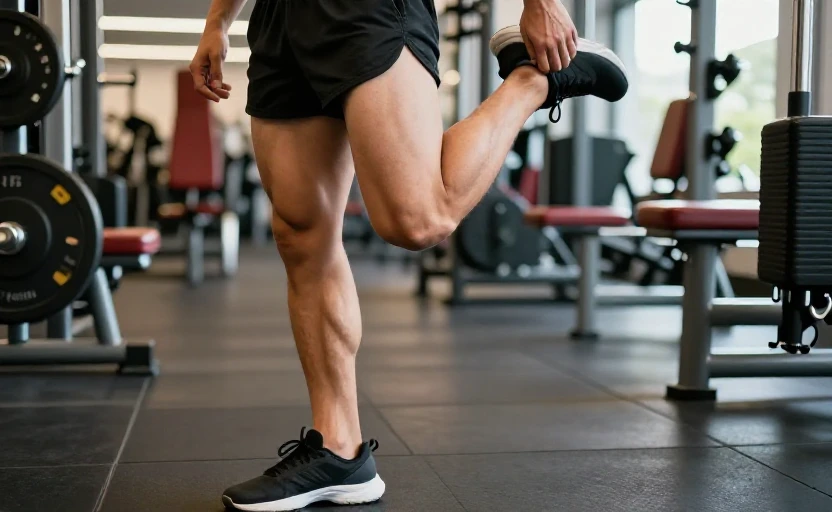
This type of productive soreness has clear characteristics. It's usually symmetrical (both legs ache, not just one), feels like a general stiffness or dull ache, and diminishes with light movement and gentle stretching. It doesn't severely limit your range of motion or normal daily activities.
When Soreness Is a Red Flag
Not all soreness is created equal. Severe DOMS is a different story. If you're so sore that you can't move through a full range of motion without wincing, or if the pain is sharp and localized to a joint or tendon, you've likely overshot the mark.
Extreme soreness can be counterproductive. It may force you to skip or severely compromise your next planned workout, disrupting your consistency—the most important factor in long-term progress. It can also alter your movement patterns, leading to compensatory mechanics that increase injury risk. If your soreness is accompanied by dark urine or extreme swelling, it's critical to seek medical attention to rule out serious conditions like rhabdomyolysis.
Listening to Your Body's Volume Knob
Imagine soreness as a volume knob. A setting of 2 or 3 out of 10 is a background hum, confirming the work was done. A setting of 8 or 9 is painfully loud, drowning out everything else and preventing you from functioning well. Your goal as an informed lifter is to learn how to adjust the dial, seeking just enough stimulus for growth without cranking it into the distortion zone.
Practical Strategies for Managing Soreness
You don't have to be a passive recipient of soreness. Several practical approaches can help you manage its intensity and duration, keeping you on track.
- Prioritize Progressive Overload, Not Shock: The most sustainable progress comes from small, consistent increases in weight, reps, or volume over time—not from wildly unpredictable, brutal workouts designed solely to make you sore.
- Embrace Active Recovery: Complete rest might seem appealing, but light activity is often more effective. A brisk walk, cycling, or very light sets of the sore movement can increase blood flow, delivering nutrients for repair and often reducing stiffness.
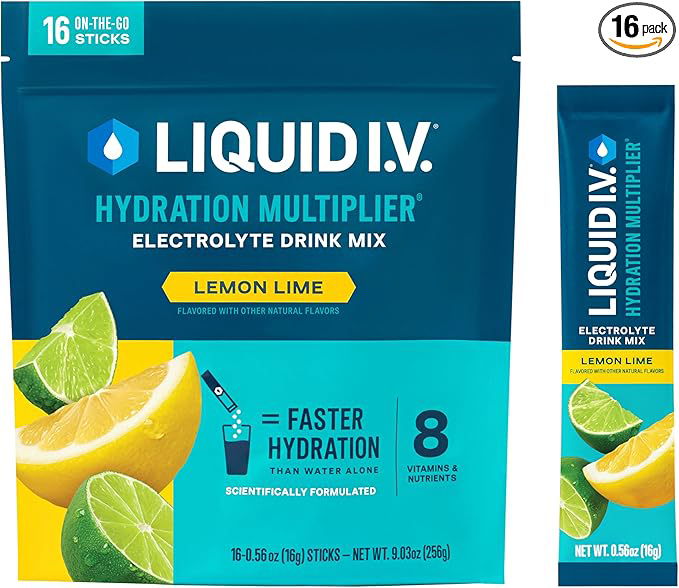
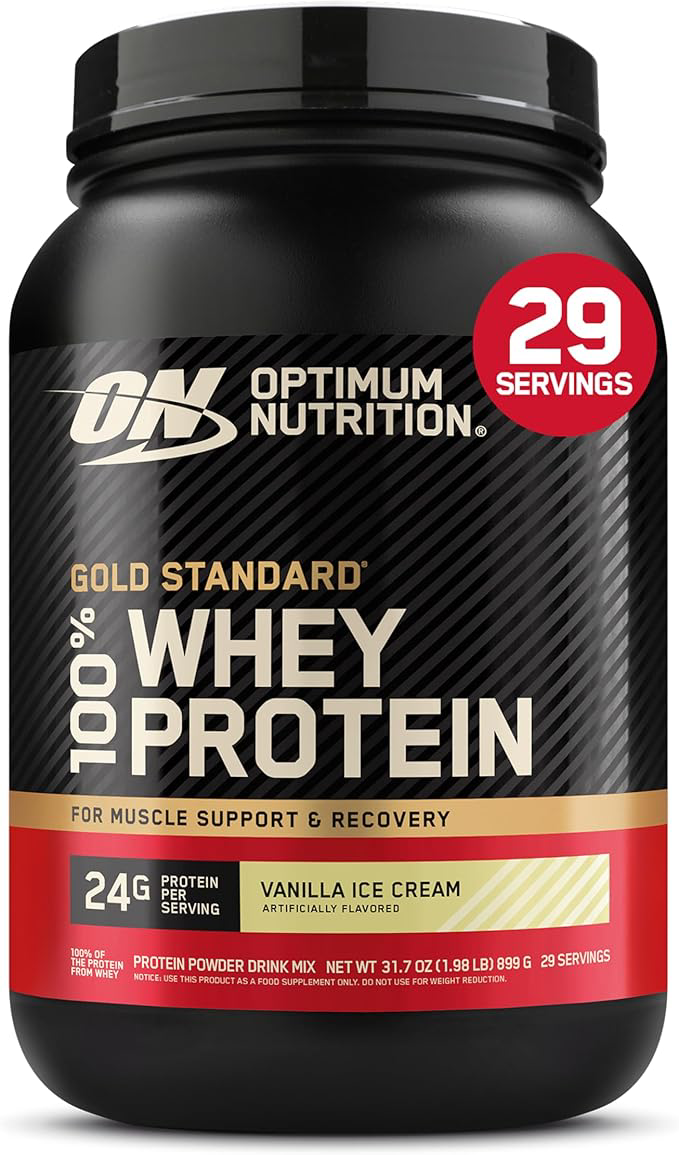
- Nutrition and Hydration Are Foundational: Supporting muscle repair requires adequate protein and overall calories. Staying well-hydrated helps with nutrient transport and can reduce the sensation of soreness. Foods rich in antioxidants, like berries and leafy greens, may help moderate inflammation.
- Sleep Is Non-Negotiable: The majority of muscle repair and hormonal regulation occurs during deep sleep. Skimping on sleep amplifies soreness and slows recovery dramatically.
While foam rolling, massage, and contrast baths (alternating warm and cool water) are popular and can offer temporary relief and improved mobility, their direct impact on speeding up muscle repair is less clear. Their greatest benefit may be in helping you move better, which supports active recovery.
The Bottom Line for Lifters
Chasing soreness is a poor training goal. Its absence doesn't mean your workout was ineffective, and its presence isn't a required trophy for effort. Many experienced lifters experience very little soreness, even while getting stronger, because their bodies have adapted to handle consistent training stress.
Use soreness as one data point among many. More important metrics are your long-term strength gains, your ability to recover fully for your next session, and your consistency over months and years. The best sign of a good workout isn't how hard it is to walk the next day; it's how eager and able you are to walk back into the gym and do it again.