That sudden flush, the persistent itch, the unexpected patch of redness—when your skin acts up, it can be difficult to know what you’re dealing with. Is it just your sensitive skin having a moment, or is it a true allergic reaction? The confusion is common, and understandably so. The symptoms often overlap, creating a frustrating guessing game. But learning to spot the distinct clues can bring clarity and help you care for your skin more effectively.
Think of sensitive skin as a personality trait—it’s a consistent, reactive state. Skin with this temperament is often genetically predisposed to be more vulnerable to external irritants like wind, harsh soaps, or even water. An allergic reaction, on the other hand, is an immune system event. It’s a specific, acquired response to a particular ingredient or substance, where your body’s defenses mistakenly identify a harmless molecule as a threat.
Distinguishing between the two isn't just about semantics. It guides you toward the right solutions, whether that means switching to gentler products or identifying and avoiding a specific trigger. Let’s walk through the five key signs that can help you tell them apart.
1. The Timeline of Symptoms
Timing is one of the most telling differences. Sensitive skin tends to react quickly, often within minutes of contact with a trigger. You might wash your face with a new cleanser and feel stinging or see redness almost immediately. The reaction is localized to exactly where the product was applied.
An allergic reaction, known as allergic contact dermatitis, follows a different clock. It involves a process called sensitization, where your immune system learns to recognize an allergen. Because of this, a true allergy can develop to a product you’ve used safely for months or even years. When the reaction does occur, it typically appears 24 to 48 hours after exposure. This delayed response can make pinpointing the culprit much trickier.
If a rash appears a day or two after trying something new, an allergy is more likely than simple sensitivity.
2. The Nature of the Sensation
Pay close attention to what you feel. Sensitive skin reactions are often characterized by immediate, uncomfortable sensations: stinging, burning, tightness, or mild itchiness. It feels like an irritation.
An allergic reaction, while it can also itch, frequently brings a more intense, relentless itch—the kind that compels you to scratch. The skin may also feel warm to the touch. The hallmark of allergy is inflammation, so the sensation is often more pronounced and driven by that immune response.
3. The Visual Appearance on Skin
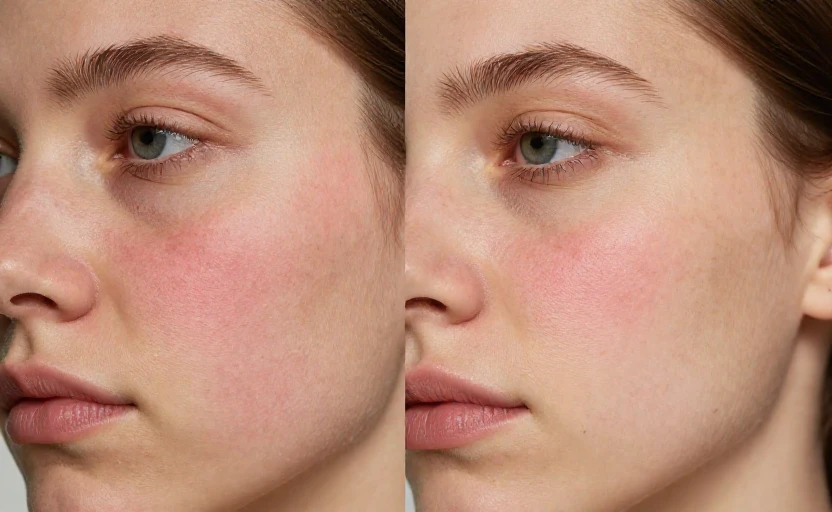
Look closely at what you see. Reactions from sensitive skin often present as:
- Generalized redness or flushing
- Dry, flaky patches
- Fine, visible capillaries (especially on the cheeks)
- A feeling of roughness or uneven texture
An allergic reaction typically has a more defined, rash-like appearance. You might notice:
- Raised red bumps (hives or welts)
- Small, fluid-filled blisters
- Swelling in the affected area
- Skin that looks scaly or weeps fluid
While sensitive skin can look red and angry, allergic reactions often have a more “eruptive” quality.
4. The Pattern and Spread
Where did it start, and where did it go? A sensitive skin reaction usually stays confined to the area of direct contact. If you applied a toner only on your forehead, that’s likely the only place you’ll see a reaction.
An allergic reaction can be less predictable. It may start at the site of contact but can sometimes spread beyond it. For instance, an allergy to a nail polish allergen might cause a rash on your eyelids or neck, not just your fingertips, because you inadvertently touched those areas. This spreading pattern is a strong indicator of an immune system response.
5. Common Trigger Ingredients
While both can be triggered by skincare products, the usual suspects differ. Sensitive skin is often set off by physical factors or broadly irritating ingredients:
- Extreme temperatures (hot water, cold wind)
- High concentrations of active ingredients (like vitamin C, glycolic acid, or retinol)
- Alcohol denat (drying alcohol)
- Fragrances (both synthetic and natural essential oils)
- Abrupt changes in routine
Allergic reactions are triggered by specific allergens. Common culprits include:
- Fragrance mixes: The number one cause of cosmetic allergy.
- Preservatives: Such as methylisothiazolinone or formaldehyde-releasers.
- Nickel: Found in some makeup powders and eyeshadows.
- Certain botanicals: Like tea tree oil or propolis.
- Hair dye chemicals: Like PPD (p-phenylenediamine).
If you suspect a true allergic reaction, especially one that is severe, widespread, or involves swelling of the face or difficulty breathing, seek medical attention promptly. For persistent or confusing skin issues, a dermatologist or allergist can provide definitive answers through patch testing, which identifies specific contact allergens.
For managing sensitive skin, the mantra is consistency and gentleness. Stick to simple, fragrance-free routines, introduce one new product at a time, and listen to what your skin tells you. Understanding whether you’re dealing with a sensitive temperament or a specific allergy is the first, most powerful step toward finding calm for your skin.