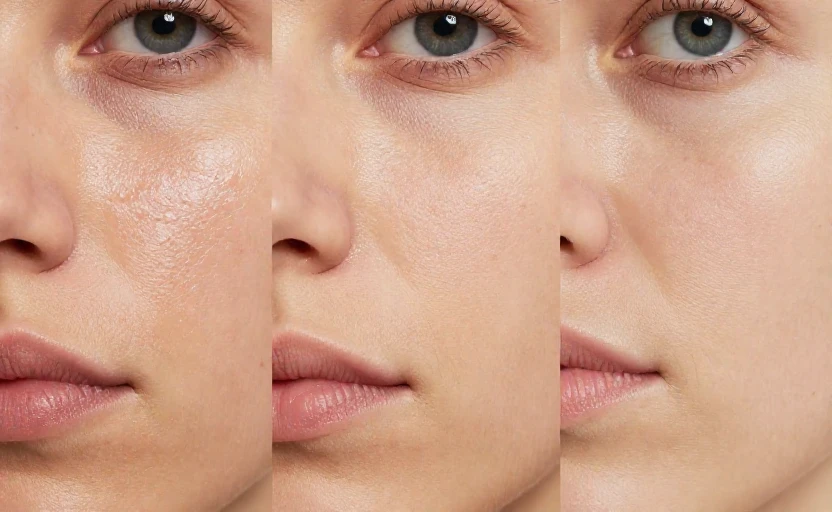
Your skin feels slick, maybe even a bit greasy by midday. The instinct is clear: you have oily skin. But what if that shine is a distress signal, a sign your skin is desperately thirsty? Confusing oily skin with dehydration is one of the most common skincare mix-ups, and treating one like the other can leave your complexion looking and feeling worse.
The truth is, oily skin is a skin type, largely influenced by genetics and hormones. Dehydrated skin is a condition—a lack of water—that can affect any skin type, even oily ones. You can absolutely have skin that overproduces oil and lacks water. Learning to spot the nuanced differences is the first step toward giving your skin exactly what it needs.
How can my skin be both oily and dehydrated?
Think of it like this: oil (sebum) and water are two separate hydration systems. Your sebaceous glands produce oil to lubricate and protect your skin's surface. Water content, however, comes from within, influenced by your overall hydration, environment, and skin barrier health.
When your skin is dehydrated, its water levels are low. This can actually trigger your oil glands to go into overdrive, producing more oil in a misguided attempt to compensate for the lack of moisture. The result? A complexion that feels tight and parched underneath, yet looks shiny and slick on the surface. It’s a frustrating cycle that harsh, oil-stripping products only worsen.
4 key symptoms to check
Forget guesswork. Look closely at how your skin behaves. These four signs will help you decode its messages.
1. The texture test
Run a clean finger over your cheek. How does it feel? Dehydrated skin often has a rough, flaky, or papery texture, even if there’s an oil layer on top. You might notice tiny, almost invisible flakes when you apply foundation. Truly oily skin, without dehydration, typically feels uniformly slick or smooth, not rough or tight.
2. The pore story
Examine your pores, especially in your T-zone. In classic oily skin, pores tend to be visibly enlarged and more pronounced because they’re actively channeling more sebum to the surface. With dehydration, pores can appear smaller or more constricted because the skin itself is taut and lacking plumpness from water. However, they may still be clogged with oil, leading to congestion.
3. The shine pattern and makeup behavior
Notice where and when shine appears. Oily skin usually produces a consistent, all-over shine that develops relatively quickly after cleansing. Dehydrated skin often presents with an uneven, patchy shine—extremely oily in some spots (like the forehead and nose) but normal or even dull elsewhere. Makeup tends to “separate” or cling to dry patches on dehydrated skin, while on well-hydrated oily skin, it might simply slide off.
4. How it feels after cleansing
This is a telling moment. After washing your face with a gentle cleanser, pay attention. Does your skin feel immediately tight, uncomfortable, or like it’s “squeaky clean”? That’s a classic sign of dehydration, indicating your barrier is compromised and moisture is evaporating too quickly. Oily skin, after a gentle cleanse, should feel balanced or still slightly soft, not stripped and tight.
If your skin feels tight just minutes after washing, it’s not a sign of cleanliness—it’s a cry for hydration.
How to care for dehydrated, oily skin
If the signs point to dehydration (with or without oiliness), the goal is to replenish water and repair your skin’s barrier without adding heavy, pore-clogging oils. Your routine needs a shift in focus.
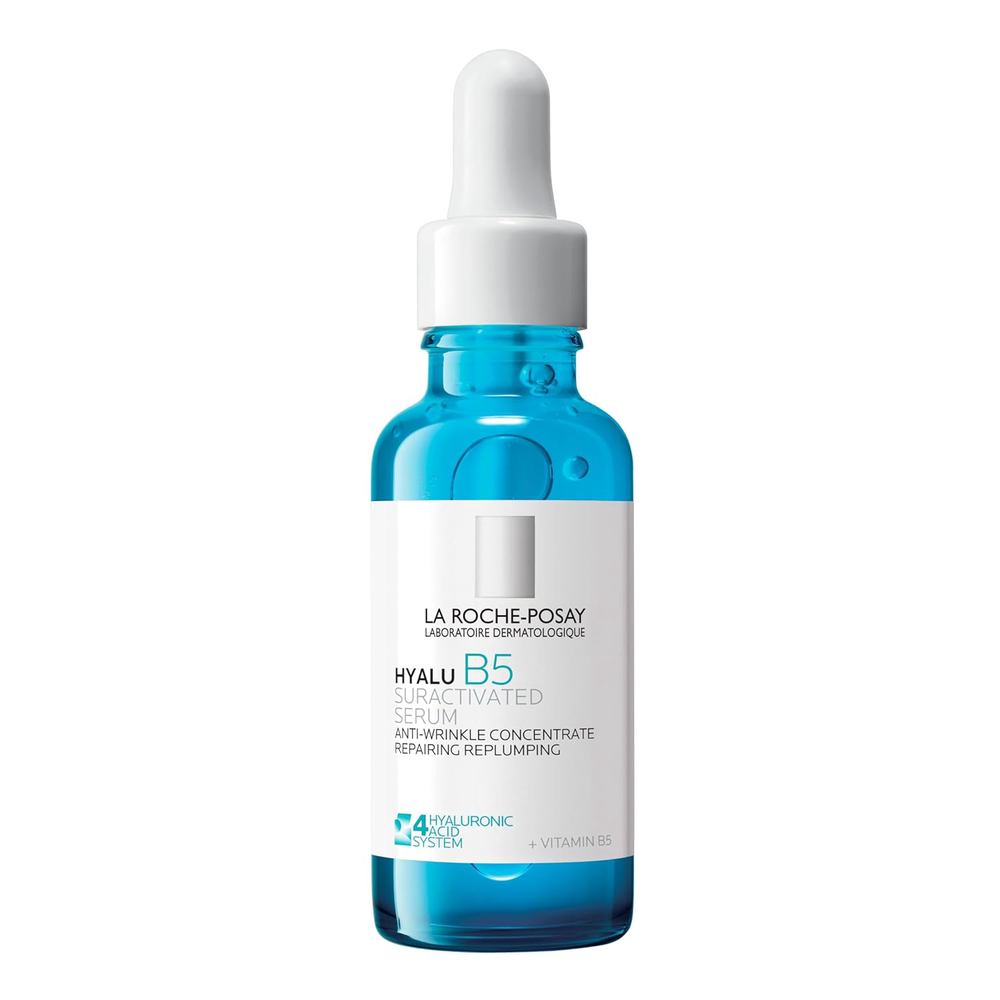
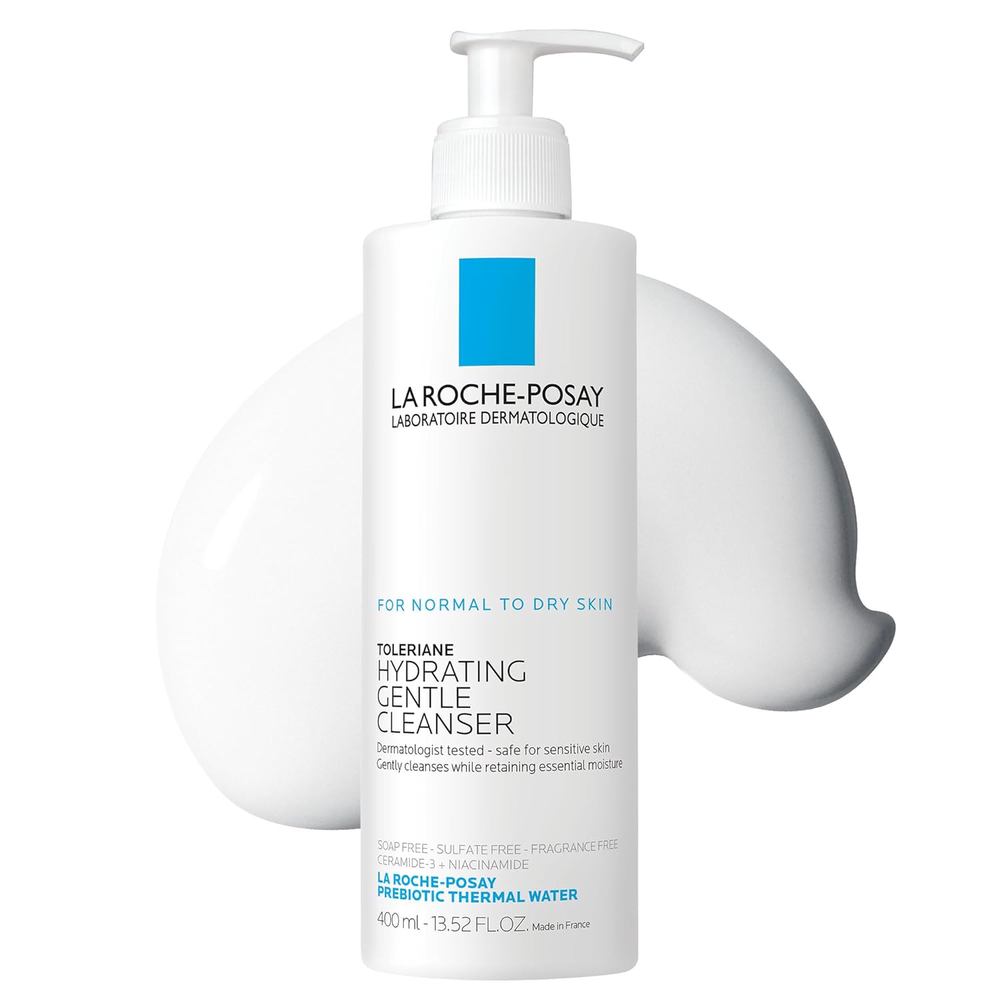
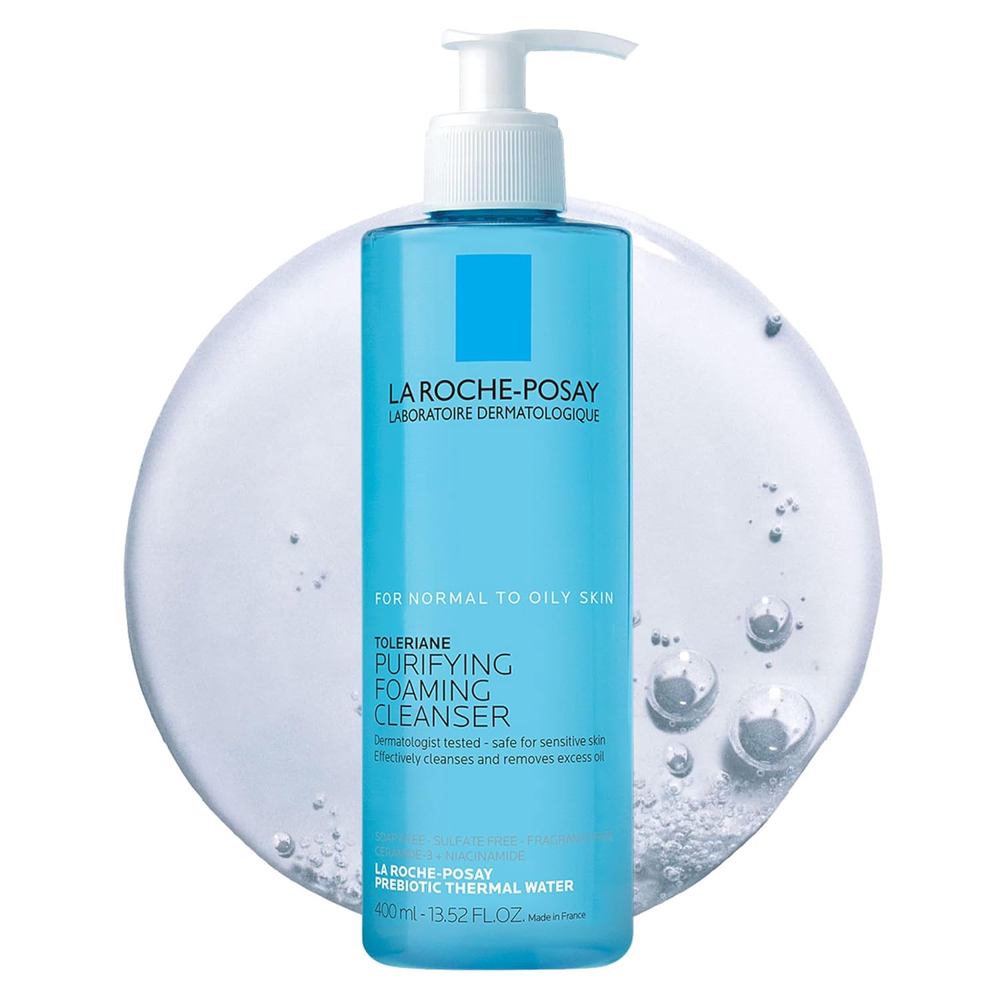
Start with a gentle, hydrating cleanser that removes excess oil without stripping. Follow immediately with a hydrating toner or essence containing ingredients like hyaluronic acid, glycerin, or panthenol. These humectants draw water into the skin.
The next step is non-negotiable: a lightweight, water-based moisturizer. Look for labels that say “gel-cream,” “water cream,” or “oil-free.” This seals in the hydration you just added. Finally, use a non-comedogenic sunscreen every morning. Sun exposure dehydrates skin and can increase oil production over time.
What to avoid? Harsh astringents, alcohol-heavy toners, and skipping moisturizer because you think your skin is “oily enough.” These practices break down your moisture barrier, making dehydration and reactive oiliness worse.
Understanding your skin’s true needs changes everything. That midday shine might not be a call for oil-blotting papers, but for a hydrating serum. By listening to the specific symptoms—texture, pore appearance, and how your skin feels—you can move beyond labels and into effective, soothing care that brings your complexion back into balance.