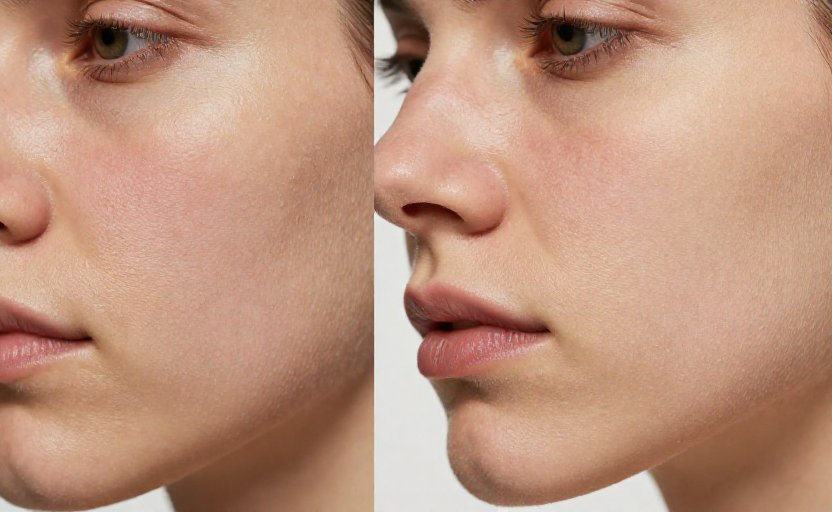
That persistent shine, the midday slickness, the feeling that your face could power a small lamp—if you have oily skin, you know it well. For many, it’s simply a skin type, a genetic hand-me-down that requires a consistent care routine. But sometimes, what looks like straightforward oiliness is a signal of something else. It can be the first visible clue of an underlying skin condition that needs a different approach entirely.
Understanding the line between a common skin type and a condition requiring professional care is crucial. It saves you from chasing solutions that don’t work and helps you find the right path to clearer, healthier skin. Let’s explore the key signs that suggest it’s time to move beyond over-the-counter blotting papers and have a conversation with a dermatologist.
What Does “Normal” Oily Skin Look and Feel Like?
Oily skin is characterized by overactive sebaceous glands. These glands produce sebum, a natural oil that, in the right amount, keeps your skin supple and protected. When they’re in overdrive, you get the classic signs: a noticeable shine, especially through the T-zone (forehead, nose, and chin); enlarged or visible pores; and a skin texture that can feel slick to the touch.
This skin type is often genetic and can be influenced by hormones, humidity, and even the products you use. With a proper routine—gentle cleansing, non-comedogenic moisturizers, and maybe a clay mask—you can usually manage the shine and keep breakouts at bay. The oiliness is consistent and predictable, flaring with known triggers like stress or your menstrual cycle, but generally responding well to consistent care.
When Oiliness Is a Red Flag: Signs of a Skin Condition
Sometimes, the oil is just one player in a more complex picture. Here’s where to look more closely. If your “oiliness” is accompanied by the following, it may point to a specific condition.
Persistent Redness and Visible Blood Vessels
A constant ruddy flush, particularly across the cheeks and nose, that doesn’t fade is a hallmark of rosacea. This condition often coexists with oily skin and can cause a burning or stinging sensation. You might see small, visible blood vessels (telangiectasia). The oiliness here is part of an inflammatory response, not just overproduction.
Bumps and Texture Beyond Typical Blackheads
While oily skin is prone to blackheads and occasional pimples, be wary of clusters of small, flesh-colored or red bumps that don’t come to a head. These could be signs of acne vulgaris (which involves oil, bacteria, and inflammation) or even keratosis pilaris, which creates rough, bumpy patches often on the cheeks. Another clue is if you develop deep, painful cysts under the skin alongside surface oiliness.
Flaking and Scaling Amidst the Shine
This is a telling paradox: skin that is both oily and flaky. It can indicate seborrheic dermatitis, where an inflammatory reaction leads to greasy, yellowish scales, often on the scalp (dandruff), eyebrows, and sides of the nose. The flaking isn’t from dryness, but from the skin shedding too quickly in oily areas.
Intense Itching or Sensitivity
Oily skin shouldn’t regularly itch or feel painfully sensitive. If your shiny skin is also relentlessly itchy, it could point to conditions like seborrheic dermatitis or a form of eczema. This discomfort is a clear signal that inflammation is present.
If your skin care routine feels like a constant battle you’re losing, or if the oil is accompanied by pain, persistent redness, or unusual texture, that’s your cue to seek professional insight.
Why the Correct Diagnosis Matters
Treating a skin condition like rosacea with products designed for teenage acne can make it much worse. Conversely, treating simple oily skin with heavy-duty prescriptions for seborrheic dermatitis is unnecessary and potentially irritating.
A dermatologist can distinguish between:
- Skin Type (Oily): A genetic predisposition managed with lifestyle and cosmetic products.
- Skin Condition (e.g., Rosacea, Acne, Seborrheic Dermatitis): A medical issue often involving inflammation, immune response, or specific pathogens, which may require prescription treatments.
Getting the right diagnosis stops the cycle of trial and error. It protects your skin barrier from the damage of using the wrong active ingredients and provides a targeted, effective strategy.
How to Prepare for Your Dermatologist Appointment
To make the most of your visit, go prepared. This helps your dermatologist connect the dots quickly.
- Track your symptoms: Note when the oiliness and other symptoms (redness, bumps) are worst. Take photos on your phone over a few weeks to show the progression.
- Bring your routine: Write down every product you use—cleanser, moisturizer, serum, sunscreen, makeup, even your shampoo. Don’t forget any supplements or new medications.
- List your questions: What do you think it is? What’s causing it? What treatment options are available? What should your daily routine look like? How long before you see improvement?
Remember, there’s no need to “clean up” your routine before going. Seeing your skin in its current state gives the dermatologist valuable information.
Living with oily skin is about management. But when that oil is a messenger for something more, listening to it—and acting by consulting a professional—is the true path to a calm, clear complexion. Your skin’s behavior is its language; learning to interpret it correctly is the first step toward giving it exactly what it needs.