If you’ve ever felt like your breakouts are on a schedule all their own, appearing with frustrating predictability around your chin or jawline, you might be right to suspect a deeper cause. Hormonal acne is a distinct pattern of breakouts driven primarily by internal shifts in hormones, and it behaves differently than the acne many of us experienced as teenagers. Recognizing the signs isn’t about self-diagnosis, but about understanding your skin’s language so you can have more informed conversations about care.
This type of acne is incredibly common, affecting people well into their adult years, and it often feels stubborn because topical creams alone rarely address the root of the issue. By learning its key characteristics—where it appears, what the blemishes look like, and when they tend to flare—you can start to differentiate it from other common types like bacterial or fungal acne.
What does hormonal acne look and feel like?
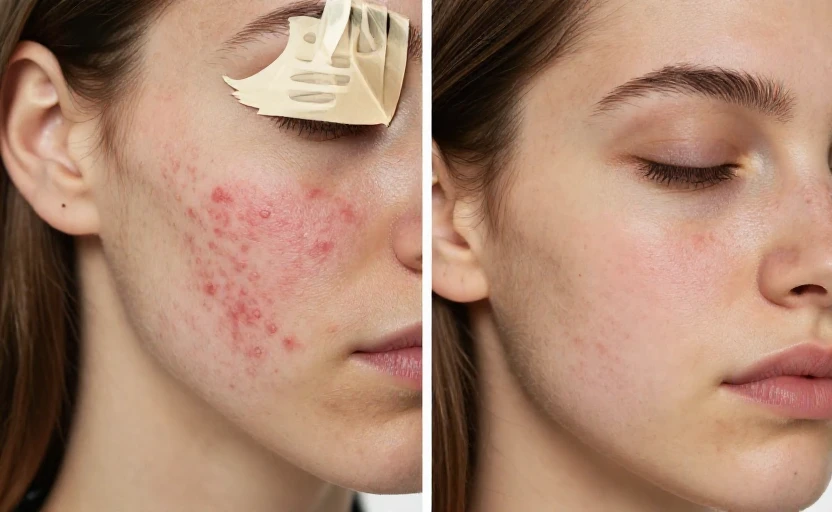
Hormonal acne has a particular signature. Unlike the scattered blackheads and whiteheads of classic teenage acne, it tends to concentrate in the "lower face" region. The most common sites are along the jawline, chin, and the lower part of the cheeks. Sometimes it creeps down the neck or appears along the sides of the face.
The lesions themselves are typically deep, tender, and inflammatory. You’re more likely to encounter painful, under-the-skin cysts and nodules that never come to a clear head, rather than surface-level pustules. These deep bumps can linger for weeks, causing soreness and often leaving behind post-inflammatory hyperpigmentation (dark spots) long after the inflammation subsides.
A key hallmark is its cyclical nature. For many, breakouts flare predictably in the week or two leading up to menstruation, then calm down afterward.
How is it different from other common acne types?
Distinguishing hormonal acne from other forms is crucial because the effective management strategies can be quite different. Here’s how it stacks up against two other frequent culprits.
Hormonal vs. Bacterial Acne
Bacterial acne, often driven by an overgrowth of Cutibacterium acnes bacteria, can occur anywhere on the face, chest, and back. It frequently presents with a mix of blackheads, whiteheads, and red, pus-filled pimples that come to a head. While hormones can influence oil production and thus contribute to bacterial acne, bacterial breakouts are less tied to a specific monthly cycle and may respond better to topical antibacterial treatments like benzoyl peroxide.
Hormonal vs. Fungal Acne
This is a common point of confusion. Fungal acne, technically called Malassezia folliculitis, isn’t true acne at all. It’s an inflammation of hair follicles caused by yeast. The bumps are usually uniform, small, itchy papules or pustules, often clustered on the chest, upper back, and sometimes the forehead. They rarely develop into deep, painful cysts. Fungal acne does not follow a hormonal cycle and typically worsens with heat, sweat, and humidity.
What triggers hormonal fluctuations that affect skin?
Our hormones are in constant, delicate conversation with our skin. Androgens, a group of hormones that includes testosterone, are the primary drivers. They stimulate the sebaceous glands to produce more sebum (oil). Excess oil can mix with dead skin cells and clog pores, creating an environment where inflammation flourishes.
Significant life stages and conditions are often accompanied by these shifts. Puberty is the most well-known trigger for both males and females. For women and people assigned female at birth, the natural menstrual cycle causes predictable monthly fluctuations in estrogen and progesterone, leading to premenstrual flares. Periods of hormonal transition, like perimenopause, pregnancy, and postpartum, are also common times for this type of acne to appear or worsen.
It’s also important to note that conditions like polycystic ovary syndrome (PCOS) are strongly linked to hormonal acne due to higher levels of androgens. Certain medications, including some types of birth control and steroids, can influence this balance as well.
When should you consider speaking with a professional?
If your breakouts fit the pattern described—deep, painful cysts along the jaw and chin that flare cyclically—and are not improving with consistent over-the-counter care, it’s a good idea to consult a dermatologist or healthcare provider. This is especially true if the acne is causing scarring or significant emotional distress.
A professional can help confirm the type of acne, rule out underlying conditions like PCOS, and discuss a broader range of treatment options. These may include prescription topical retinoids, oral medications like spironolactone (which helps block androgen receptors), or certain types of hormonal birth control. They can provide guidance tailored to your specific health picture.
Supporting your skin from the inside and out
While medical guidance is key for persistent cases, several supportive lifestyle and skincare approaches can help manage symptoms and improve skin health overall.
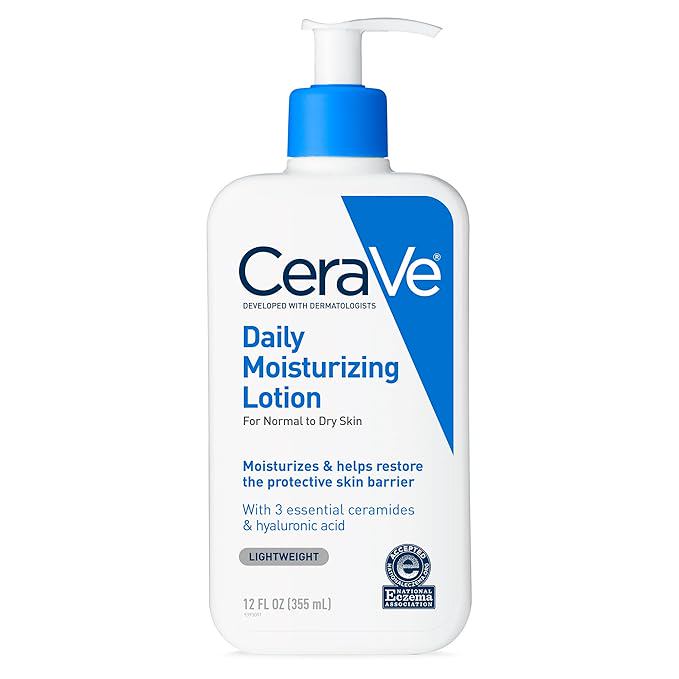
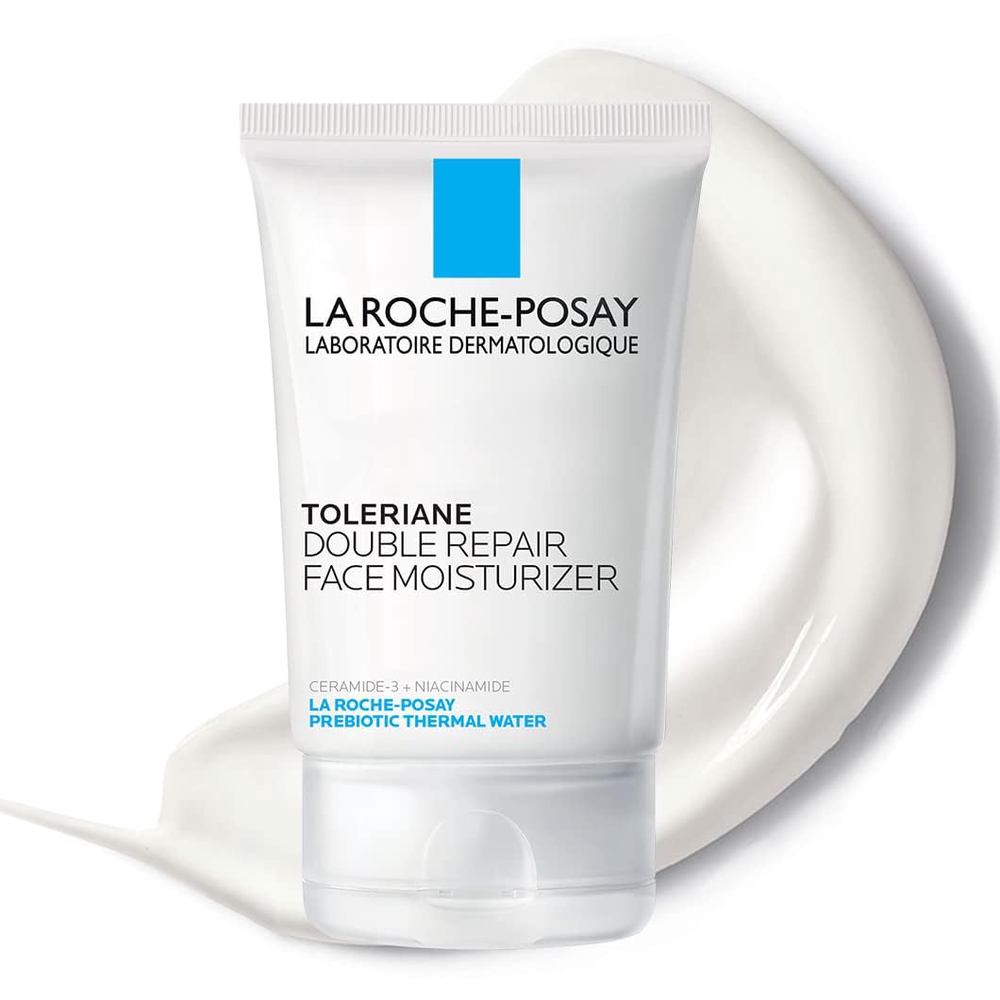
- Gentle, consistent skincare: Use a mild, non-comedogenic cleanser and a light, oil-free moisturizer. Avoid harsh scrubbing, which can worsen inflammation.
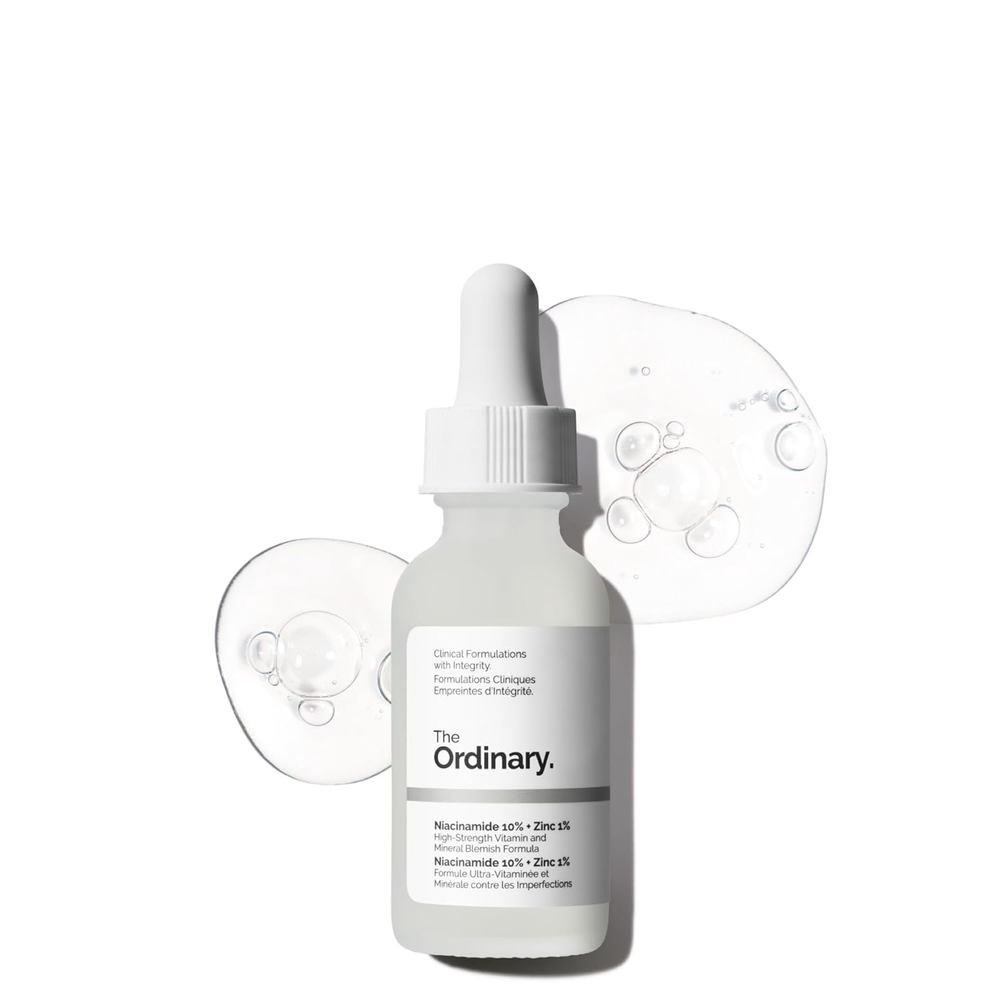
- Targeted ingredients: Look for products with ingredients like salicylic acid to help keep pores clear, or niacinamide to help calm inflammation and regulate oil.
- Dietary awareness: Some individuals find that high-glycemic foods (like sugary snacks and refined carbs) and dairy can exacerbate breakouts. Paying attention to your body’s unique responses can be informative.
- Stress management: Chronic stress elevates cortisol, which can influence other hormones and oil production. Practices like adequate sleep, mindfulness, or gentle movement can be beneficial allies for your skin.
Understanding the signs of hormonal acne is the first step toward addressing it effectively. By noticing the patterns—the where, the what, and the when—you move from simply reacting to breakouts to understanding their origin. This knowledge empowers you to seek the right kind of help and build a skincare routine that supports, rather than fights against, your body’s natural rhythms.