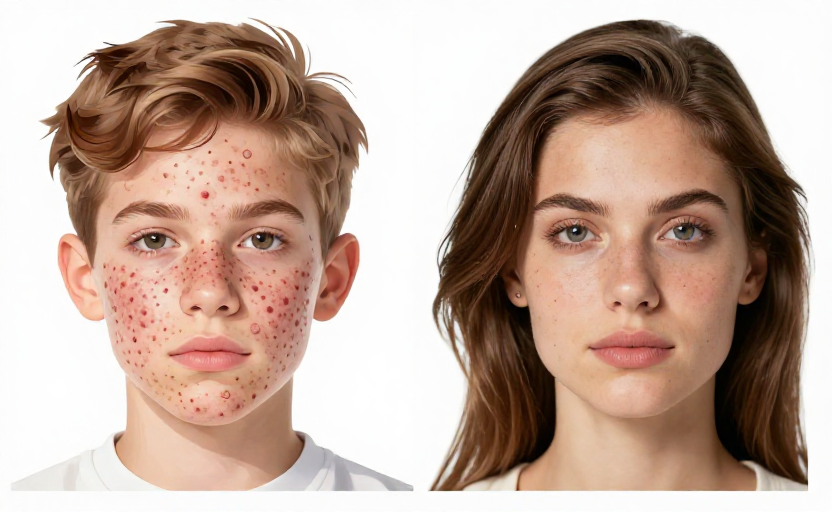
That persistent breakout along your jawline or the monthly flare-up on your chin isn't just bad luck. For many, it's a clear signal from the body's complex hormonal system. Understanding whether your acne is hormonally driven is the first, crucial step toward managing it effectively, but the clues look different depending on your stage of life.
Hormonal acne is tied to fluctuations in hormones like androgens, which stimulate oil production. While it's often associated with puberty, it's a lifelong concern for many, manifesting uniquely in teenagers and adults. Recognizing the specific patterns for your age group can help you tailor your approach and set realistic expectations for your skin.
What does hormonal acne look like?
Unlike the occasional surface pimple, hormonal acne tends to follow a recognizable script. It often appears as deep, tender, sometimes cystic bumps beneath the skin's surface, rather than blackheads or small whiteheads. These lesions are often inflammatory, meaning they're red, swollen, and painful.
The location is a major telltale sign. Hormonal breakouts frequently concentrate on the lower face—the jawline, chin, and lower cheeks. This is sometimes called the "hormonal mask." For some, it also affects the neck, back, and chest. The timing is another clue. Many people, especially adults who menstruate, notice a predictable flare-up in the week leading up to their period, calming down once it begins.
If your breakouts feel like they're on a monthly schedule and settle stubbornly around your jaw and chin, hormones are likely a primary player.
Key signs of hormonal acne in teenagers
During adolescence, hormonal acne is incredibly common, driven by the surge of puberty hormones. It's part of the skin's adjustment to a new biological normal. In teens, the signs often include a mix of lesions. You'll typically see a combination of blackheads and whiteheads (comedonal acne) on the forehead, nose, and chin—the T-zone—alongside inflamed red bumps and pustules on the cheeks, jawline, and sometimes back and chest.
The skin often appears generally oilier, as androgen hormones ramp up sebum production. Breakouts may be more widespread and volatile, responding dramatically to factors like stress, sweat, and certain skincare or makeup products. For teenagers, hormonal acne is frequently part of a broader picture of pubertal change, though its severity can range from mild to severe.
Common patterns in teen skin
- T-zone focus: Forehead, nose, and chin are common hotspots due to higher oil gland density.
- Variety of lesions: A combination of blackheads, whiteheads, and inflamed pimples is typical.
- General oiliness: The entire face may have a shiny appearance, requiring more frequent cleansing.
Key signs of hormonal acne in adults
Adult hormonal acne tells a different story. It's often more localized and stubborn. If you're over 25 and breaking out, especially if you didn't have severe acne as a teen, hormones are a prime suspect. The classic pattern is deep, painful, cystic-like bumps that appear predominantly along the jawline, chin, and lower cheeks. These bumps may linger for weeks and are more prone to leaving post-inflammatory marks or scars.
Adult skin is also drier and more sensitive. You might be dealing with both breakouts and signs of aging, like fine lines, which makes treatment a delicate balance. The monthly cycle link is usually stronger and more noticeable in adults. Stress and lifestyle factors—like diet, sleep, and underlying conditions like polycystic ovary syndrome (PCOS)—can be significant triggers that weren't as apparent during teen years.
Common patterns in adult skin
- Lower-face concentration: Jawline, chin, and lower cheek breakouts are the hallmark.
- Deep, inflammatory bumps: Fewer blackheads, more tender, under-the-skin nodules.
- Cycle-dependent flare-ups: Clear premenstrual timing is a strong indicator.
- Combination skin concerns: Breakouts coexist with dryness, sensitivity, or signs of aging.
Why the difference between teens and adults matters
Identifying these patterns isn't just an academic exercise; it guides effective care. A teenager's skin, which is oilier and more resilient, may tolerate stronger topical treatments like benzoyl peroxide or retinoids better than an adult's. An adult's drier, more sensitive skin often needs a gentler, more hydrating approach that addresses both breakouts and barrier health.
The underlying hormonal drivers can differ, too. Teen acne is largely fueled by the natural surge of puberty. In adults, especially women, fluctuations related to the menstrual cycle, stress, hormonal birth control changes, or conditions like PCOS are more common contributors. This understanding helps frame the conversation with a healthcare provider, whether that's a dermatologist or a primary care doctor.
Steps you can take toward clearer skin
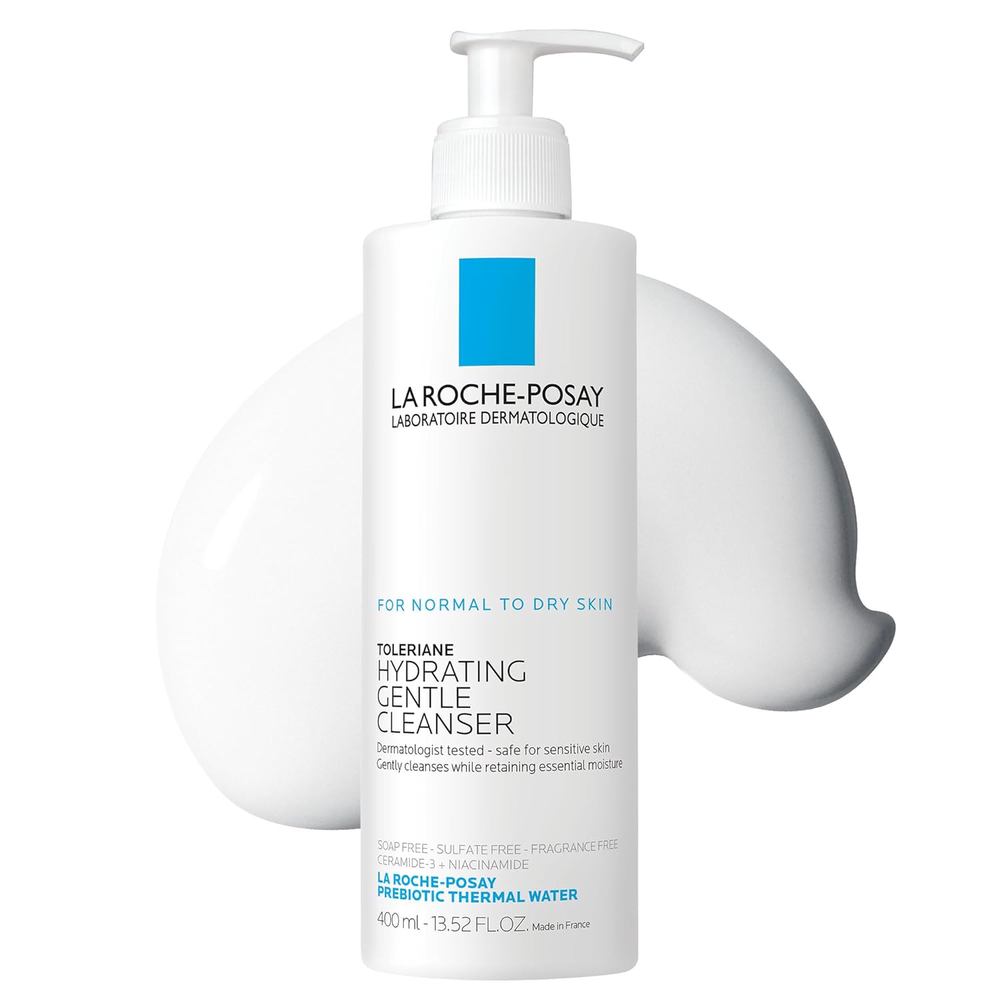
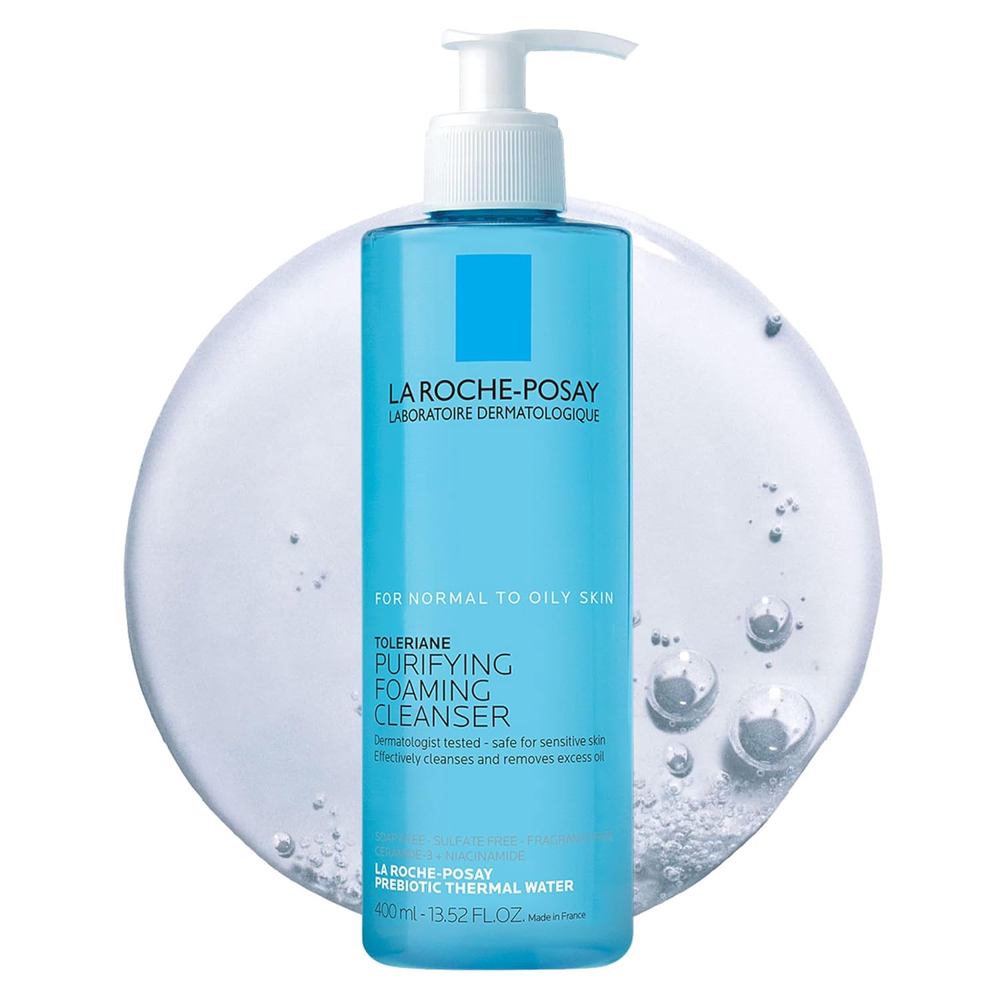
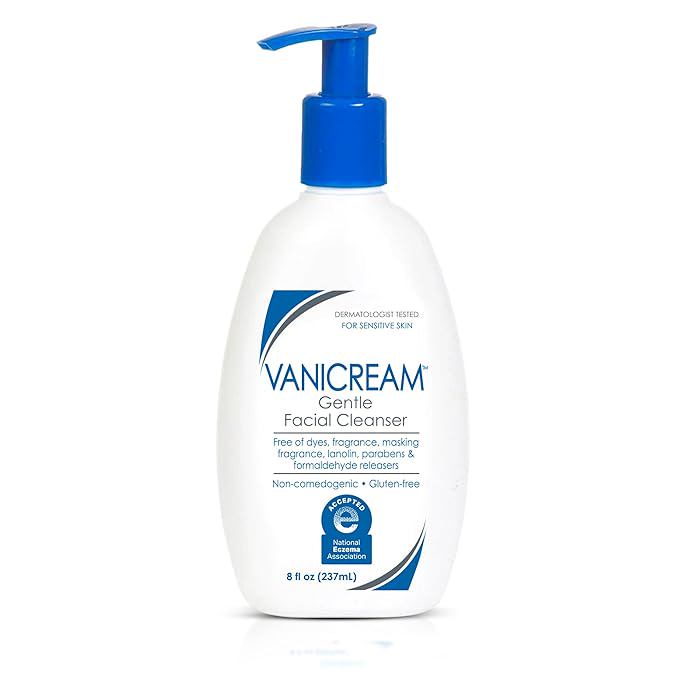
Regardless of age, a consistent, gentle skincare routine forms the foundation. Use a mild cleanser twice daily and a non-comedogenic moisturizer to support your skin barrier. Look for key topical ingredients: salicylic acid helps clear pores, retinoids (like adapalene) promote cell turnover and prevent clogging, and azelaic acid can reduce inflammation and redness.
For many with persistent hormonal acne, especially adults, topical care may not be enough to address the internal cause. This is when consulting a healthcare professional is essential. They may discuss options like certain types of oral contraceptives for women, anti-androgen medications, or in some cases, oral antibiotics for inflammation. They can also rule out or manage contributing conditions like PCOS.
Lifestyle factors play a supportive role. Managing stress through mindfulness or adequate sleep, maintaining a balanced diet, and ensuring you're not using pore-clogging hair or makeup products can all help reduce flare-ups.
Be patient with your skin. Hormonal shifts take time to balance, and effective treatments often require 6-8 weeks of consistent use before showing results.
Not every breakout is hormonal, but the patterns—where, when, and what kind—are your skin's way of communicating. Paying attention to whether your acne fits the teenage or adult profile of hormonal influence empowers you to seek the right strategies and support for a calmer complexion.